
What's Going On
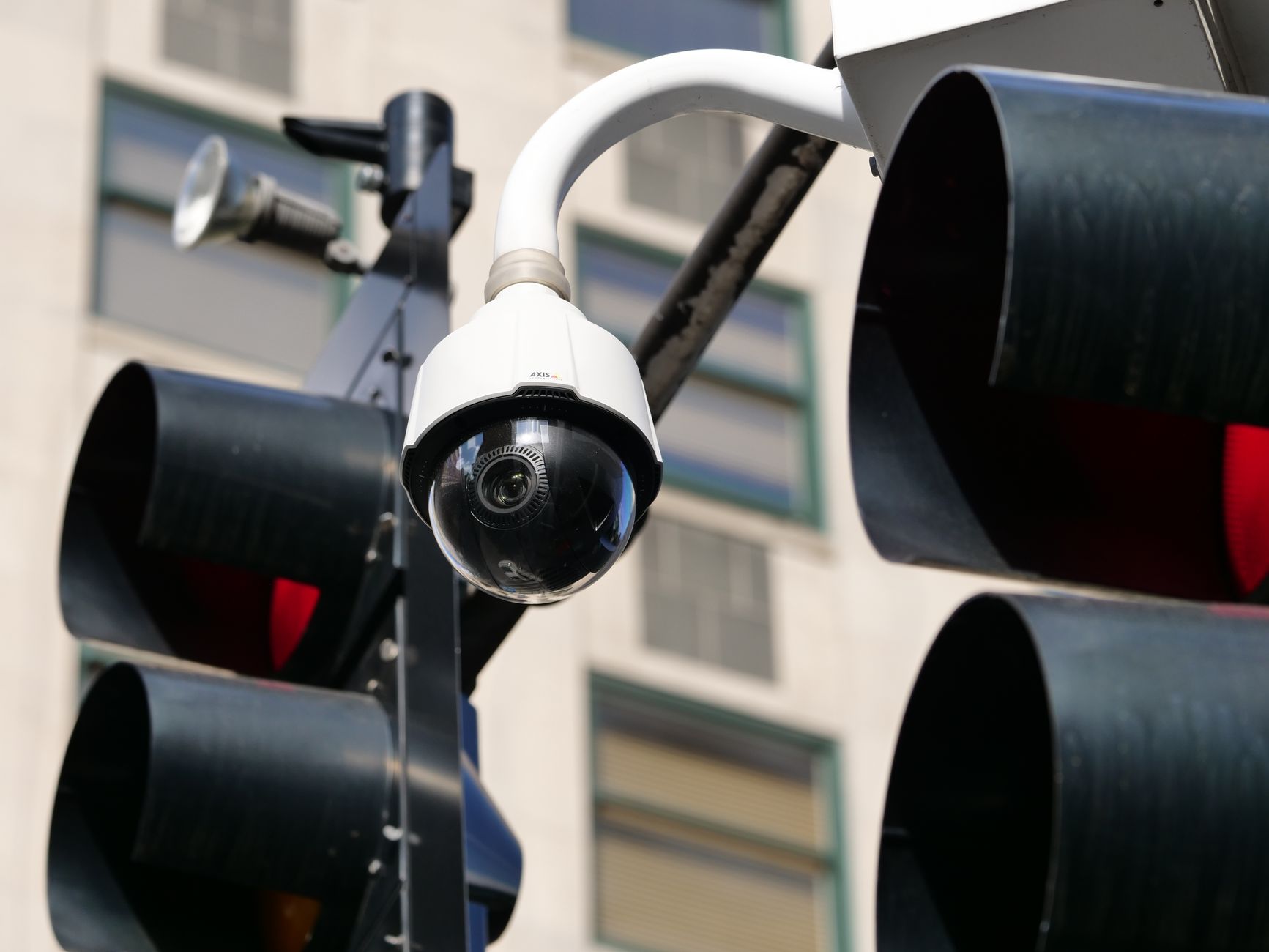
Zimbabwe is taking a significant step forward in its efforts to improve traffic management and enhance road safety with the expansion of AI traffic surveillance. According to a recent article on Bulawayo24, the government has announced plans to install AI-powered cameras along major roads to monitor and manage traffic flow in real-time. This innovative approach aims to reduce congestion, minimize accidents, and make traveling safer and more efficient for citizens.
As part of this initiative, the government will deploy AI-powered cameras equipped with advanced computer vision capabilities to detect and analyze traffic patterns, identify potential hazards, and provide real-time alerts to drivers and traffic authorities. This cutting-edge technology will enable authorities to respond quickly to traffic incidents, reduce response times, and minimize the risk of accidents.
With AI traffic surveillance, Zimbabwe is joining the ranks of cities around the world that are leveraging technology to improve traffic management and enhance road safety. This forward-thinking approach demonstrates the government's commitment to using technology to drive positive change and improve the quality of life for its citizens.
Why This Matters
The expansion of AI traffic surveillance in Zimbabwe has significant implications for the transportation industry, not only in the country but also globally. As industry analysts note, the growing adoption of AI-powered traffic management solutions is transforming the way cities manage their transportation networks, leading to improved safety, reduced congestion, and increased efficiency. By investing in AI traffic surveillance, Zimbabwe is not only enhancing its own transportation infrastructure but also contributing to the development of a more sustainable and efficient transportation ecosystem.
The impact of AI traffic surveillance extends beyond Zimbabwe's borders, as it sets a precedent for other countries and cities to follow. As the world becomes increasingly interconnected, the adoption of AI-powered traffic management solutions is likely to become more widespread, driving innovation and collaboration across borders. This trend highlights the importance of international cooperation and knowledge sharing in the development of smart transportation systems.
As Zimbabwe's transportation industry continues to evolve, the expansion of AI traffic surveillance will have far-reaching consequences for various stakeholders, including drivers, passengers, and transportation authorities. By leveraging AI-powered technology, the government is not only enhancing road safety but also promoting a more efficient and sustainable transportation system that benefits everyone.
What It Means for the Industry
The implementation of AI traffic surveillance in Zimbabwe has significant implications for the transportation industry, both locally and globally. This innovative approach demonstrates the potential of AI-powered technology to transform transportation networks, leading to improved safety, reduced congestion, and increased efficiency. As the world becomes increasingly dependent on technology to drive positive change, the adoption of AI-powered traffic management solutions is likely to become more widespread, driving innovation and collaboration across borders.
The expansion of AI traffic surveillance in Zimbabwe also highlights the importance of investing in emerging technologies, such as AI and computer vision, to drive innovation and improve transportation outcomes. By leveraging these technologies, transportation authorities can develop more effective and efficient solutions to manage traffic flow, reduce congestion, and enhance road safety.
As the transportation industry continues to evolve, the adoption of AI-powered traffic management solutions is likely to become more widespread, driving innovation and collaboration across borders. This trend highlights the importance of international cooperation and knowledge sharing in the development of smart transportation systems, which will play a critical role in shaping the future of transportation.
What Happens Next
The expansion of AI traffic surveillance in Zimbabwe is a significant step forward in the country's efforts to improve traffic management and enhance road safety. According to a recent article on TechRadar, the government plans to deploy AI-powered cameras along major roads to monitor and manage traffic flow in real-time, reducing congestion and minimizing accidents. This innovative approach aims to make traveling safer and more efficient for citizens, while also contributing to the development of a more sustainable and efficient transportation ecosystem.
As Zimbabwe continues to invest in AI-powered traffic management solutions, it is essential to monitor the effectiveness of these initiatives and make necessary adjustments to ensure optimal outcomes. By leveraging emerging technologies, such as AI and computer vision, transportation authorities can develop more effective and efficient solutions to manage traffic flow, reduce congestion, and enhance road safety.
The expansion of AI traffic surveillance in Zimbabwe is a testament to the country's commitment to using technology to drive positive change and improve the quality of life for its citizens. As the world becomes increasingly dependent on technology to drive innovation and collaboration, it is essential for countries to invest in emerging technologies and develop smart transportation systems that prioritize safety, efficiency, and sustainability.
What's Next for Zimbabwe
As Zimbabwe continues to expand its AI traffic surveillance capabilities, the country is likely to see significant improvements in traffic management and road safety. According to a recent article on Bulawayo24, the government plans to deploy AI-powered cameras along major roads to monitor and manage traffic flow in real-time, reducing congestion and minimizing accidents. This innovative approach aims to make traveling safer and more efficient for citizens, while also contributing to the development of a more sustainable and efficient transportation ecosystem.
The expansion of AI traffic surveillance in Zimbabwe highlights the importance of investing in emerging technologies, such as AI and computer vision, to drive innovation and improve transportation outcomes. By leveraging these technologies, transportation authorities can develop more effective and efficient solutions to manage traffic flow, reduce congestion, and enhance road safety.
As Zimbabwe continues to evolve its transportation infrastructure, it is essential to prioritize international cooperation and knowledge sharing to develop smart transportation systems that prioritize safety, efficiency, and sustainability. By collaborating with other countries and organizations, Zimbabwe can leverage best practices and expertise to drive innovation and improve transportation outcomes.


