
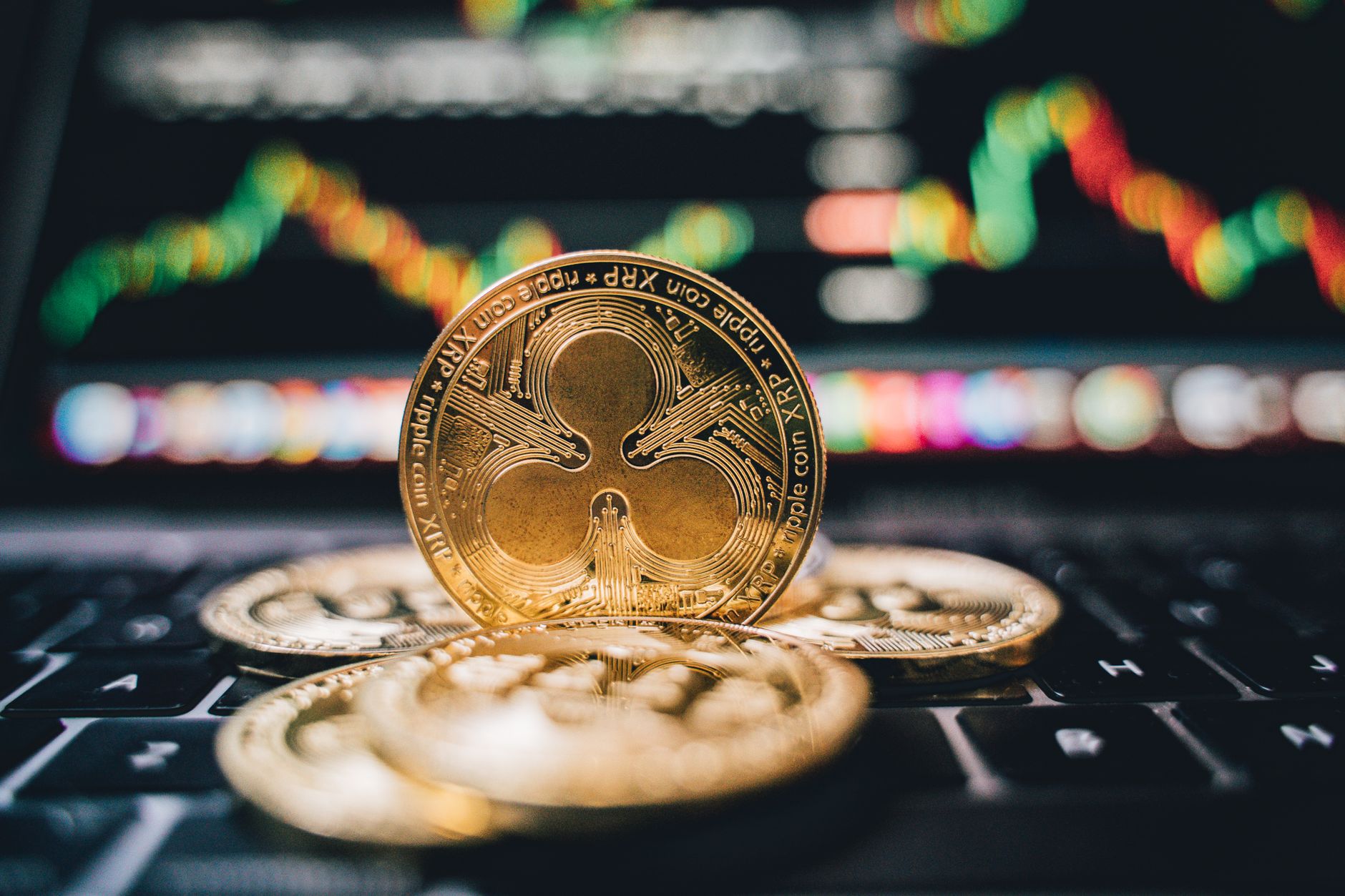
When a digital asset crosses the $100 billion market‑cap threshold, it’s more than a headline—it’s a signal that the market’s perception, utility, and investor confidence have aligned in a powerful way. XRP, the native token of the XRP Ledger (XRPL), has just hit that milestone, and the excitement is palpable across exchanges, developer forums, and boardrooms alike. But the real story isn’t just the number; it’s the upcoming XRPL upgrade that promises to unlock new functionalities, improve scalability, and cement XRP’s role in cross‑border payments and beyond.
What's Going On
The surge in XRP’s valuation has been driven by a confluence of factors: renewed interest from institutional players, a broader rally in the crypto market, and the anticipation of a major protocol upgrade that could enhance transaction speed and cost efficiency. Analytics Insight reports that the market cap now sits comfortably above $100 billion, a level not seen since the token’s early 2021 peak.
Behind the numbers, the XRPL upgrade—codenamed “Xumm 2.0”—is set to introduce a suite of enhancements, including native support for smart contracts, improved fee structures, and tighter integration with emerging DeFi protocols. These upgrades are designed to address long‑standing criticisms that XRP’s ecosystem lagged behind rivals like Ethereum and Solana in terms of programmability.
Developers have been testing the new features on test‑net environments for months, and early results show a reduction in transaction finality time from 3‑4 seconds to under 1 second, while maintaining the ledger’s hallmark low fees. For enterprises that rely on the XRPL for high‑volume, low‑cost cross‑border settlements, this could translate into significant cost savings and new revenue streams.
Market sentiment has also been buoyed by a series of strategic partnerships announced over the past quarter. Financial institutions in Asia and the Middle East have signed memoranda of understanding (MoUs) to pilot XRP‑based payment solutions, citing the ledger’s regulatory clarity and the speed of settlement as key differentiators. As these pilots move from proof‑of‑concept to production, the token’s utility is expected to rise, further reinforcing its market‑cap growth.
While the price action remains volatile—as is typical for crypto assets—the underlying fundamentals appear stronger than ever. The convergence of a robust upgrade roadmap, expanding institutional adoption, and a market cap that now rivals some of the world’s biggest tech companies positions XRP at a pivotal juncture in its evolution.
Why This Matters
The implications of XRP breaching the $100 billion mark extend far beyond a simple headline. Crypto News Today notes that such a valuation signals a growing confidence among investors that the XRP ecosystem can deliver real‑world utility at scale. This confidence is crucial for attracting further capital, which in turn fuels development, marketing, and ecosystem growth.
From a macro‑economic perspective, a larger market cap can improve XRP’s liquidity profile, reducing slippage for large trades and making the token more attractive for institutional portfolios that require deep order books. Moreover, the upgrade’s smart‑contract capabilities open doors for decentralized finance (DeFi) applications, tokenized assets, and programmable money—areas that have traditionally been dominated by other blockchains.
Regulators worldwide are also watching the development closely. XRP’s history of legal challenges, particularly the high‑profile SEC case, has made compliance a top priority for the community. The upcoming upgrade includes enhanced compliance hooks, such as built‑in transaction tagging and audit trails, which could ease regulatory concerns and pave the way for broader adoption in jurisdictions with strict AML/KYC requirements.
For developers, the upgrade means a richer toolkit. The ability to write and execute smart contracts directly on the XRPL reduces reliance on external layers or sidechains, streamlining development workflows and lowering operational risk. This could lead to a surge in innovative dApps, ranging from micro‑payment platforms to decentralized identity solutions.
Finally, the broader crypto market stands to benefit from healthy competition. As XRP demonstrates that a high‑throughput, low‑cost ledger can also be programmable, it pushes other networks to improve their own performance and cost structures, ultimately driving the industry toward more efficient and user‑friendly solutions.
What It Means for the Industry
The ripple effects of XRP’s market‑cap milestone and the imminent XRPL upgrade are already being felt across multiple sectors. Payment processors are re‑evaluating their technology stacks, considering whether a native XRP integration could replace legacy SWIFT corridors. Enterprises that once viewed blockchain as a niche experiment are now piloting real‑time settlement solutions that leverage the ledger’s speed and transparency.
One area that could see rapid transformation is remittances. Traditional remittance services often charge fees ranging from 5% to 10% and take several days to settle. With the upgraded XRPL, providers can offer near‑instant, sub‑cent transactions, dramatically improving the user experience for migrant workers sending money home.
Another sector poised for disruption is supply chain finance. By tokenizing invoices and using XRP as a settlement layer, companies can reduce the time between invoice issuance and payment receipt, unlocking working‑capital efficiencies that were previously unattainable.
Security remains a top priority as the ecosystem expands. security researchers highlighted the importance of vigilant monitoring, especially as more high‑value transactions flow through the network. The XRPL community has responded by bolstering node security protocols, implementing multi‑factor authentication for validator keys, and encouraging third‑party audits of smart‑contract code.
From an investment standpoint, the $100 billion market cap adds a layer of legitimacy that can attract traditional asset managers. Many fund families have set internal thresholds for inclusion in their crypto allocations, and crossing the six‑figure billion mark often meets those criteria. This institutional influx could bring more stable, long‑term capital into the market, reducing reliance on retail speculation.
Overall, the convergence of a robust upgrade, expanding use‑cases, and heightened market confidence positions XRP as a central player in the next wave of blockchain adoption. Stakeholders across finance, technology, and regulation will need to adapt quickly to capitalize on the opportunities that arise.
What Happens Next
The road ahead is both exciting and filled with milestones that will shape the future of the XRPL and the broader crypto landscape. The upgrade is slated for activation in the coming weeks, following a final round of main‑net testing and community governance votes. the full announcement outlines a phased rollout, beginning with core protocol changes and followed by optional feature modules that developers can enable as needed.
In the short term, we can expect a flurry of activity: token swaps, liquidity provisioning on decentralized exchanges, and a surge in developer tooling releases. Exchanges will likely update their trading pairs to reflect the new capabilities, and market makers will adjust spreads to account for the anticipated increase in transaction volume.
Looking further ahead, the upgraded XRPL could become a hub for cross‑chain interoperability, linking with other major blockchains via bridges that allow assets to move seamlessly between ecosystems. Such connectivity would not only broaden XRP’s utility but also position the ledger as a critical piece of the emerging multi‑chain internet of value.
For investors, the key takeaway is to monitor the upgrade’s performance metrics closely—throughput, fee stability, and smart‑contract execution success rates. These indicators will provide early signals about the network’s health and its capacity to handle real‑world workloads at scale.
In conclusion, the combination of a $100 billion market cap and a transformative protocol upgrade marks a watershed moment for XRP and the XRPL. Whether you’re a trader, developer, institutional strategist, or simply a crypto enthusiast, the next few months will offer a front‑row seat to a pivotal evolution in the digital asset space.


