
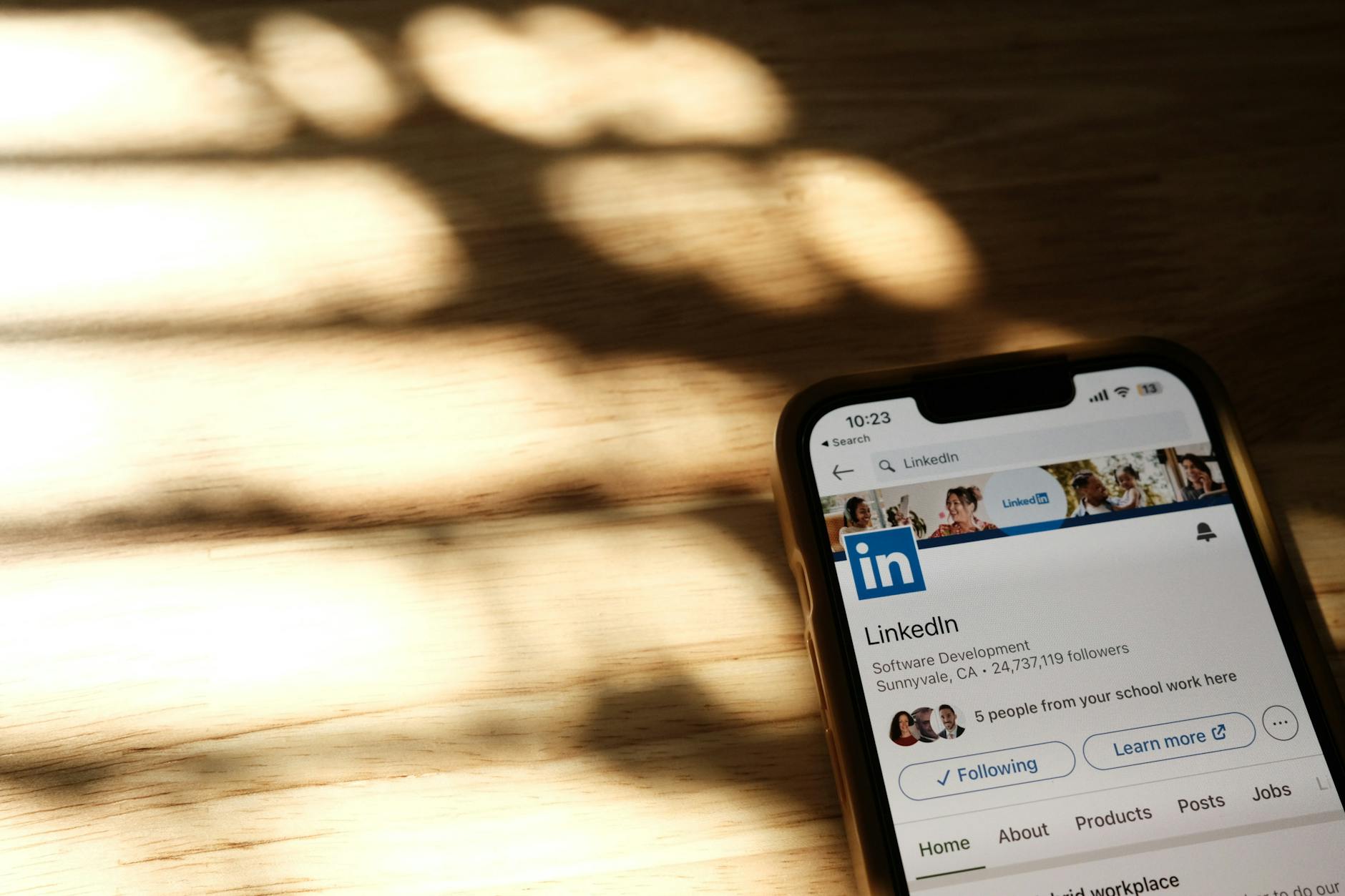
Imagine scrolling through LinkedIn, the platform where you showcase your professional achievements, only to be drawn into a romance that ends with a near‑million‑dollar loss. This isn’t a plot twist from a thriller; it’s a stark reality that unfolded for a tech‑savvy woman who trusted a carefully crafted profile. As the story spreads, it forces us to ask: how safe are our professional networks, and what can the industry do to protect its most valuable assets—people?
What's Going On
According to Woman loses nearly $1M in LinkedIn romance scam, the victim was an experienced engineer who met her con artist through a series of seemingly genuine LinkedIn messages. The scammer, posing as a senior executive, built trust by commenting on her posts, sharing industry insights, and eventually proposing a romantic relationship. Over months, the fraudster persuaded her to invest in a “business venture” that turned out to be a fabricated offshore account. By the time the deception was uncovered, the victim had wired almost a million dollars, leaving her financially devastated and emotionally shaken.
The scheme leveraged LinkedIn’s professional veneer, exploiting the platform’s reputation for authentic networking. The scammer used a combination of fake endorsements, fabricated work history, and even a polished personal website to appear legitimate. By mirroring the victim’s industry jargon and referencing recent tech trends—like AI‑driven analytics and cloud‑based collaborations—the fraudster created a sense of familiarity that lowered her guard.
What makes this case especially alarming is the level of sophistication. The perpetrator didn’t rely on generic phishing emails; instead, they engaged in a prolonged, personalized conversation, gradually escalating the emotional stakes. This approach mirrors tactics seen in high‑value romance scams on dating apps, but with a professional twist that makes detection harder for both users and platform moderators.
Why This Matters
Industry analysts note that the rise of remote work and digital networking has expanded the attack surface for social engineering. As highlighted by CoreWeave Brings Up Multi‑Rack NVIDIA Vera Rubin, the tech sector is investing heavily in high‑performance computing and AI, yet the human element remains vulnerable. When professionals trust a platform that’s meant to accelerate careers, a breach of that trust can ripple across entire organizations, leading to lost productivity, reputational damage, and, as seen here, massive financial loss.
Beyond the individual victim, the incident underscores a systemic risk: the blending of personal and professional identities online. Recruiters, investors, and executives increasingly rely on LinkedIn to vet partners. A successful scam erodes confidence in the platform’s verification mechanisms, prompting companies to reconsider how they validate connections and conduct due diligence on external collaborators.
Moreover, the financial magnitude of this case sends a clear signal to cyber‑insurance providers and corporate risk officers. Policies that previously covered data breaches may need to expand coverage to include social‑engineering fraud, especially when the deception is orchestrated through a professional channel. This shift could drive new underwriting criteria, higher premiums, and a demand for more granular risk assessments.
What It Means for the Industry
The fallout from this LinkedIn romance scam forces the tech industry to confront a paradox: as we build smarter tools to automate and secure our workflows, the human psyche remains a vulnerable entry point. Companies are now looking at AI‑driven detection systems that can flag anomalous behavior in messaging patterns, such as sudden requests for money or language that deviates from typical professional discourse. While platforms like LinkedIn have begun experimenting with AI moderation, the technology must evolve to understand nuanced social cues, not just keyword matches.
In parallel, the incident fuels a broader conversation about digital identity verification. Biometric authentication, decentralized identifiers (DIDs), and blockchain‑based credentialing are emerging as potential safeguards. If a user’s professional profile could be cryptographically linked to verified employment records, the barrier for fraudsters would rise dramatically. However, implementing such solutions at scale requires industry consensus and a willingness to balance privacy with security.
Another implication is the need for better security awareness training that goes beyond generic phishing simulations. Organizations should incorporate scenario‑based learning that reflects real‑world cases like this romance scam, teaching employees to recognize red flags in seemingly innocuous professional conversations. Training that blends technical controls with psychological insights can empower users to question unexpected financial requests, even when they appear to come from a trusted contact.
Finally, the event highlights the responsibility of platform providers to invest in robust trust‑and‑safety teams. While LinkedIn has policies against impersonation, enforcement often lags behind the speed at which scammers adapt. A coordinated effort that combines AI monitoring, human review, and rapid takedown processes could reduce the window of opportunity for fraudsters. Partnerships with law enforcement and cross‑industry threat intelligence sharing will also be critical to dismantle sophisticated networks that operate across borders.
What Happens Next
The full announcement from cybersecurity firms suggests that we can expect a wave of new tools aimed at detecting romance and social‑engineering scams on professional networks. As UW Health explores using AI agents to streamline complex processes, similar AI agents could be deployed to monitor LinkedIn conversations in real time, flagging suspicious requests for financial transactions.
Looking ahead, we anticipate that LinkedIn and other professional platforms will roll out stronger verification layers, perhaps integrating third‑party identity services that confirm employment and education credentials. In the meantime, users should adopt a healthy skepticism: verify any request for money through an independent channel, and be wary of relationships that progress unusually quickly in a professional setting.
Microsoft’s upcoming event, where the company will showcase new AI‑enhanced security features for Windows and Surface devices, may also introduce consumer‑focused tools that help individuals protect their online identities across platforms, including LinkedIn. The convergence of AI, security, and user education will be the cornerstone of a more resilient digital ecosystem.
Until those safeguards become commonplace, the lesson remains clear: even in a world of cutting‑edge technology, the oldest con—trusting the wrong person—still reigns supreme. By staying informed, questioning anomalies, and leveraging emerging AI defenses, professionals can safeguard both their careers and their wallets.


