
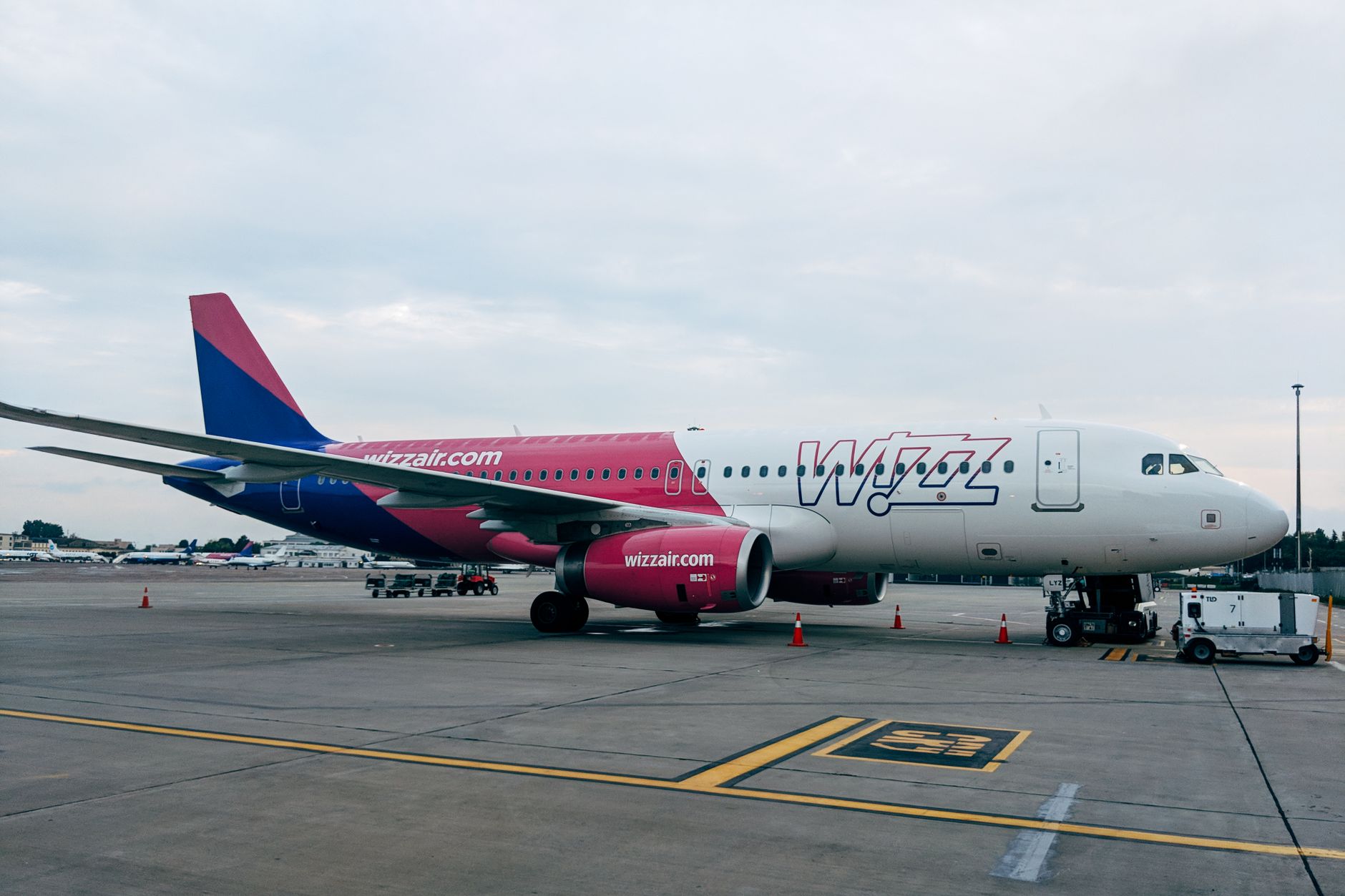
Imagine being stuck at an airport due to a flight delay or cancellation, only to be met with lengthy queues and confusing communication from the airline. The frustration is real, and it's a problem that has plagued the travel industry for far too long. However, all that's about to change with the introduction of disruption assistance technology powered by HTS (Hyperion Technology Solutions). Wizz Air, a leading low-cost carrier, has become the first European airline to launch this innovative solution, revolutionizing the way it handles flight disruptions and sets a new standard for the industry.
What's Going On
The news was announced on Future Travel Experience, highlighting Wizz Air's commitment to providing a seamless travel experience for its passengers. The airline has partnered with HTS to integrate its disruption assistance technology into their operations, ensuring that travelers are better informed and supported during flight disruptions.
According to reports, Wizz Air's passengers will now receive real-time updates and personalized support via the airline's mobile app, email, or in-airport notifications. This means that travelers will no longer be left in the dark or forced to spend hours waiting for updates or assistance.
HTS's disruption assistance technology is designed to analyze flight data in real-time, identifying potential disruptions and providing Wizz Air with critical insights to minimize their impact. By leveraging this technology, Wizz Air aims to reduce passenger frustration, decrease costs associated with disruptions, and enhance its overall customer experience.
Why This Matters
The impact of flight disruptions on airlines and passengers alike is significant. Industry analysts note that disruptions can lead to substantial losses for airlines, while passengers often suffer from increased stress, delayed itineraries, and financial burdens. By introducing disruption assistance technology, Wizz Air is addressing a critical pain point in the travel industry, setting a new standard for airlines to follow.
The benefits of this technology extend beyond Wizz Air's passengers, as it also has the potential to improve airline operations and efficiency. By streamlining communication and reducing the time spent on resolving disruptions, airlines can allocate resources more effectively, drive cost savings, and enhance their overall competitiveness.
The digital economy is rapidly transforming the travel industry, with passengers increasingly expecting seamless, personalized experiences. Wizz Air's adoption of disruption assistance technology powered by HTS reflects this shift, as airlines strive to provide more effective communication, support, and value to their customers.
What It Means for the Industry
The introduction of disruption assistance technology powered by HTS marks a significant milestone in the travel industry's evolution. Airlines are no longer simply reacting to disruptions; they're proactively working to prevent and mitigate their impact. By embracing this technology, Wizz Air is not only enhancing its customer experience but also setting a new benchmark for the industry.
As airlines continue to adopt innovative technologies, we can expect to see even more efficient and passenger-centric operations emerge. The integration of AI, machine learning, and data analytics will become increasingly prevalent, enabling airlines to better anticipate and respond to disruptions, ultimately driving improved customer satisfaction and loyalty.
The strategic impact of Wizz Air's decision to partner with HTS cannot be overstated. By investing in disruption assistance technology, airlines can reduce costs, enhance their brand reputation, and stay ahead of the competition. This move demonstrates Wizz Air's commitment to innovation and its willingness to take calculated risks to drive growth and improvement.
What Happens Next
The full announcement from Wizz Air can be found on SUNeVision's website, highlighting the airline's dedication to innovation and customer satisfaction. As the travel industry continues to evolve, we can expect to see more airlines follow Wizz Air's lead and adopt disruption assistance technology to enhance their passenger experience.
The future of travel is digital, and airlines that invest in innovative technologies will be better equipped to meet the changing needs and expectations of their passengers. By embracing disruption assistance technology powered by HTS, Wizz Air has taken a significant step towards creating a more seamless, personalized, and passenger-centric travel experience.
As the travel industry continues to navigate the complexities of digital transformation, one thing is clear: airlines that prioritize innovation, customer satisfaction, and operational efficiency will be the ones to watch. Wizz Air's pioneering spirit and commitment to disruption assistance technology powered by HTS are a testament to this vision, and we can't wait to see what the future holds.


