
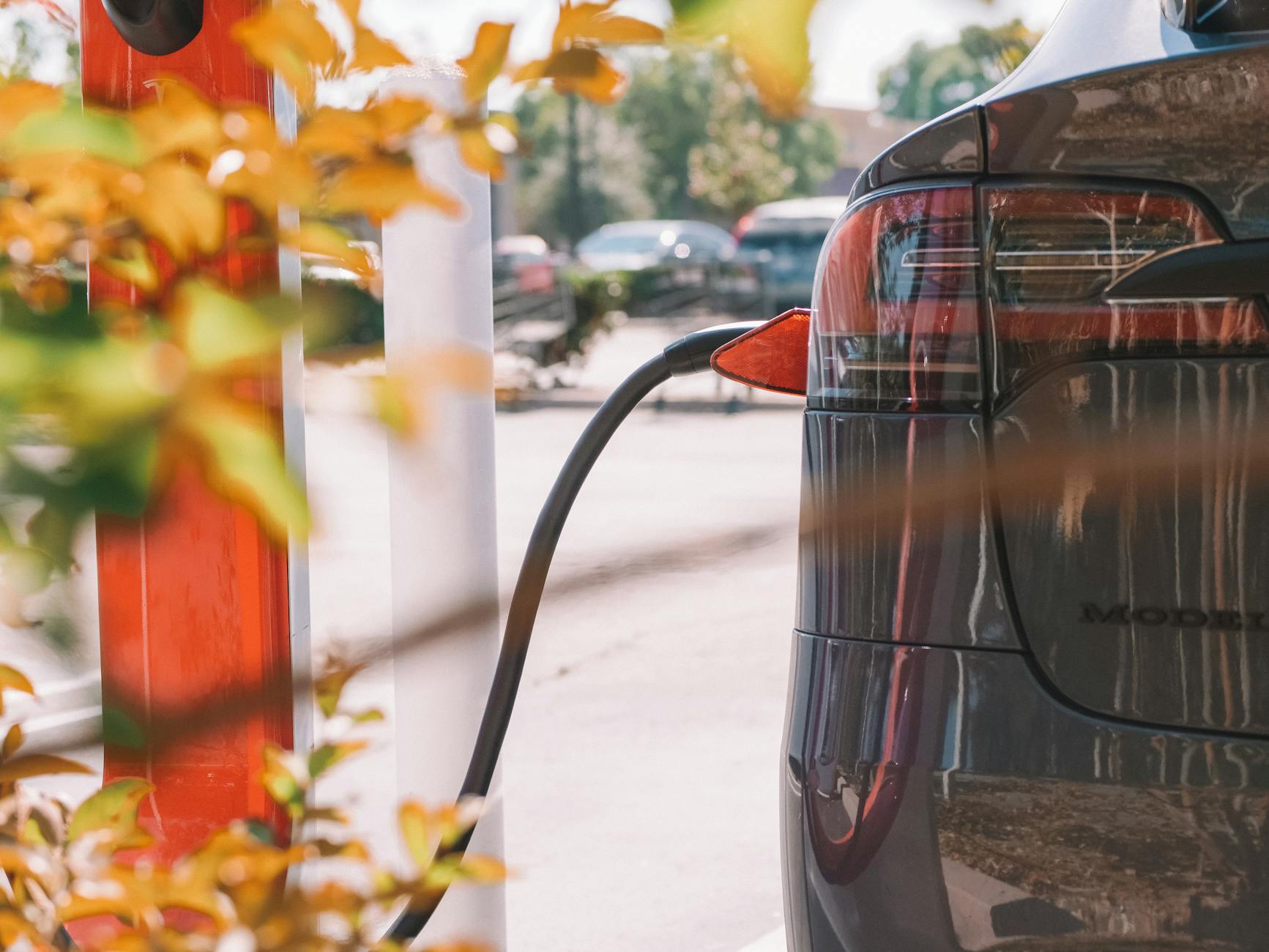
As the world shifts towards electric vehicles (EVs), many consumers are finding themselves at a crossroads – should they make the switch to an eco-friendly ride, or stick with their trusty gas-guzzler? While EVs offer numerous benefits, including lower operating costs and reduced environmental impact, there's one crucial aspect to consider: insurance premiums. According to Bundle's recent report, EVs are often more expensive to insure than their gasoline-powered counterparts.
The main reason for this disparity lies in the higher cost of repairs and replacement parts for electric vehicles. Many EVs feature advanced technology, including complex battery systems and sophisticated electrical components, which can be costly to replace. Moreover, the high-voltage electrical systems found in EVs require specialized tools and training for technicians, adding to the overall expense of repairs.
Another factor contributing to the higher insurance costs is the perceived risk associated with EVs. Some insurers may view EVs as a higher-risk investment, given the novelty of the technology and the potential for electrical malfunctions. This perception can lead to higher premiums, making EVs less accessible to consumers who may not be able to afford the added expense.
So, why do electric cars cost more to insure? The answer lies in a combination of factors, including the complex technology, high repair costs, and perceived risk. However, there's a silver lining – many insurance companies are adapting to the changing landscape and offering discounts for EV owners.
Why This Matters
The increased cost of EV insurance has significant implications for the industry as a whole. As more consumers opt for eco-friendly vehicles, insurers must reassess their pricing strategies to stay competitive. Industry analysts note that the shift towards EVs will require insurers to develop more sophisticated pricing models that take into account the unique characteristics of electric vehicles.
The impact of higher insurance costs will be felt by consumers, who may find themselves paying more for their EVs. However, it's essential to remember that the benefits of EVs – including lower operating costs and reduced environmental impact – can outweigh the added expense of insurance. As the EV market continues to evolve, it's crucial for insurers to adapt and offer competitive pricing to stay ahead of the curve.
What It Means for the Industry
The shift towards electric vehicles presents a significant opportunity for the insurance industry to innovate and adapt. Insurers must develop more sophisticated pricing models that take into account the unique characteristics of EVs. This may involve the use of advanced data analytics and machine learning algorithms to better understand the risks associated with EVs.
The strategic impact of higher EV insurance costs will be felt across the industry, from insurers to manufacturers and consumers. As the EV market continues to grow, insurers must navigate the changing landscape and offer competitive pricing to stay ahead of the curve. This may involve the development of new products and services, such as usage-based insurance and vehicle monitoring systems.
What Happens Next
As the EV market continues to evolve, it's essential for insurers to stay ahead of the curve and adapt to changing consumer needs. One potential solution is the development of usage-based insurance, which rewards drivers for safe driving habits and responsible vehicle usage. The full announcement of this new product is expected to be released in the coming months, offering drivers a more personalized and cost-effective insurance option.
Another key development is the advancement of EV charging infrastructure, which will play a critical role in the widespread adoption of EVs. Companies like Elektros, Inc. are advancing their strategic vision for the next generation of EV charging infrastructure, which will enable faster and more efficient charging, making EVs even more appealing to consumers.
In conclusion, the increased cost of EV insurance is a complex issue with far-reaching implications for the industry as a whole. While higher premiums may be a challenge for consumers, it's essential to remember that the benefits of EVs can outweigh the added expense. As the EV market continues to evolve, insurers must adapt and innovate to stay ahead of the curve, offering competitive pricing and new products and services to meet the changing needs of consumers.


