
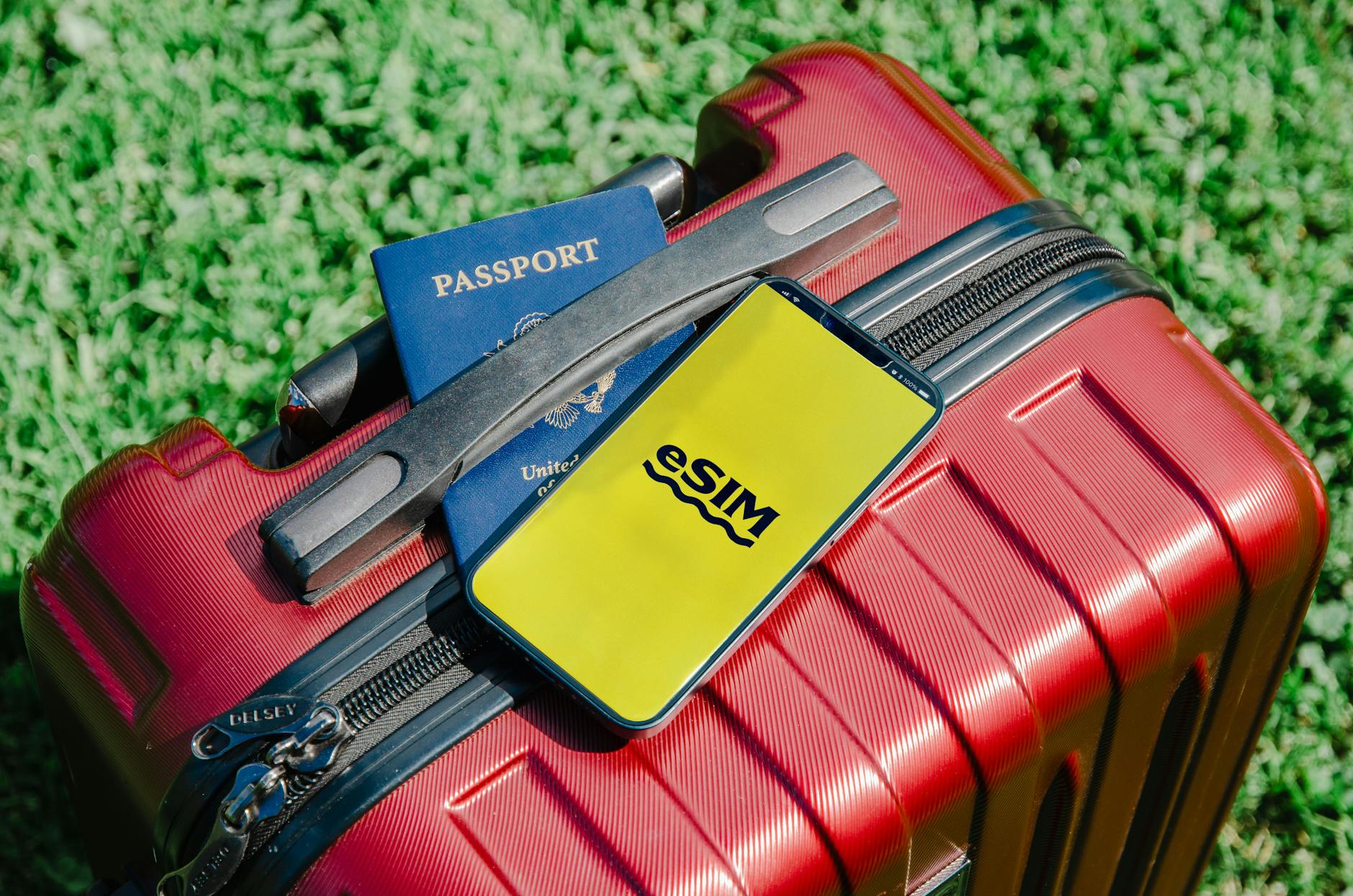
Traveling internationally is often a significant undertaking, requiring meticulous planning and preparation. However, technology has made it easier for travelers to stay connected to family, friends, and work, even while abroad. One such innovation is the eSIM, a digital SIM card that enables users to access cellular networks without the need for a physical SIM. In this article, we will explore the benefits of using an eSIM for international travel and why it is becoming an increasingly popular choice among travelers.
What's Going On
The eSIM has been gaining traction in recent years, with many mobile operators and manufacturers offering eSIM-compatible devices. This technology allows users to activate a digital SIM on their device, which can then be used to access cellular networks in foreign countries. According to TechBullion reports, eSIMs offer a range of benefits for international travelers, including simplified connectivity and cost savings.
When traveling internationally, it can be challenging to find a reliable and affordable cellular provider. Many physical SIMs require users to purchase a new SIM card when entering a foreign country, which can be inconvenient and expensive. eSIMs, on the other hand, can be easily activated and managed remotely, eliminating the need for physical SIMs. This convenience is particularly valuable for travelers who frequently visit multiple countries or stay abroad for extended periods.
Another significant advantage of eSIMs is their cost-effectiveness. Traditional physical SIMs often come with high roaming fees, which can quickly add up for frequent travelers. eSIMs, however, typically offer competitive pricing and flexible data plans, making it easier for users to stay connected without breaking the bank.
Why This Matters
The eSIM market is expected to continue growing in the coming years, driven by increasing demand for convenient and cost-effective wireless connectivity. As industry analysts note, the global eSIM market is expected to reach $10.3 billion by 2025, up from $2.3 billion in 2020. This growth is driven by the increasing adoption of eSIM-enabled devices and the growing demand for wireless connectivity in various industries.
The eSIM's impact extends beyond the travel industry, as it has the potential to transform the way we communicate and access information. With the eSIM, users can easily switch between different cellular networks and data plans, allowing for greater flexibility and convenience. This technology also has implications for the IoT (Internet of Things) market, where eSIMs can be used to connect devices to cellular networks, enabling a range of new applications and use cases.
What It Means for the Industry
The eSIM's growing popularity has significant implications for the wireless industry, as it challenges traditional business models and revenue streams. Mobile operators must adapt to the changing market landscape by offering eSIM-compatible services and competitive data plans. This shift towards eSIM-based connectivity also creates new opportunities for innovation and growth, as companies seek to develop new applications and services that leverage the eSIM's capabilities.
What Happens Next
As the eSIM market continues to grow, we can expect to see increased adoption across various industries. The technology's benefits, including simplified connectivity and cost savings, make it an attractive option for travelers, businesses, and individuals alike. To stay ahead of the curve, mobile operators and device manufacturers must continue to invest in eSIM development and infrastructure. The latest news from the tech industry suggests that eSIMs will play a significant role in shaping the future of wireless connectivity.


