
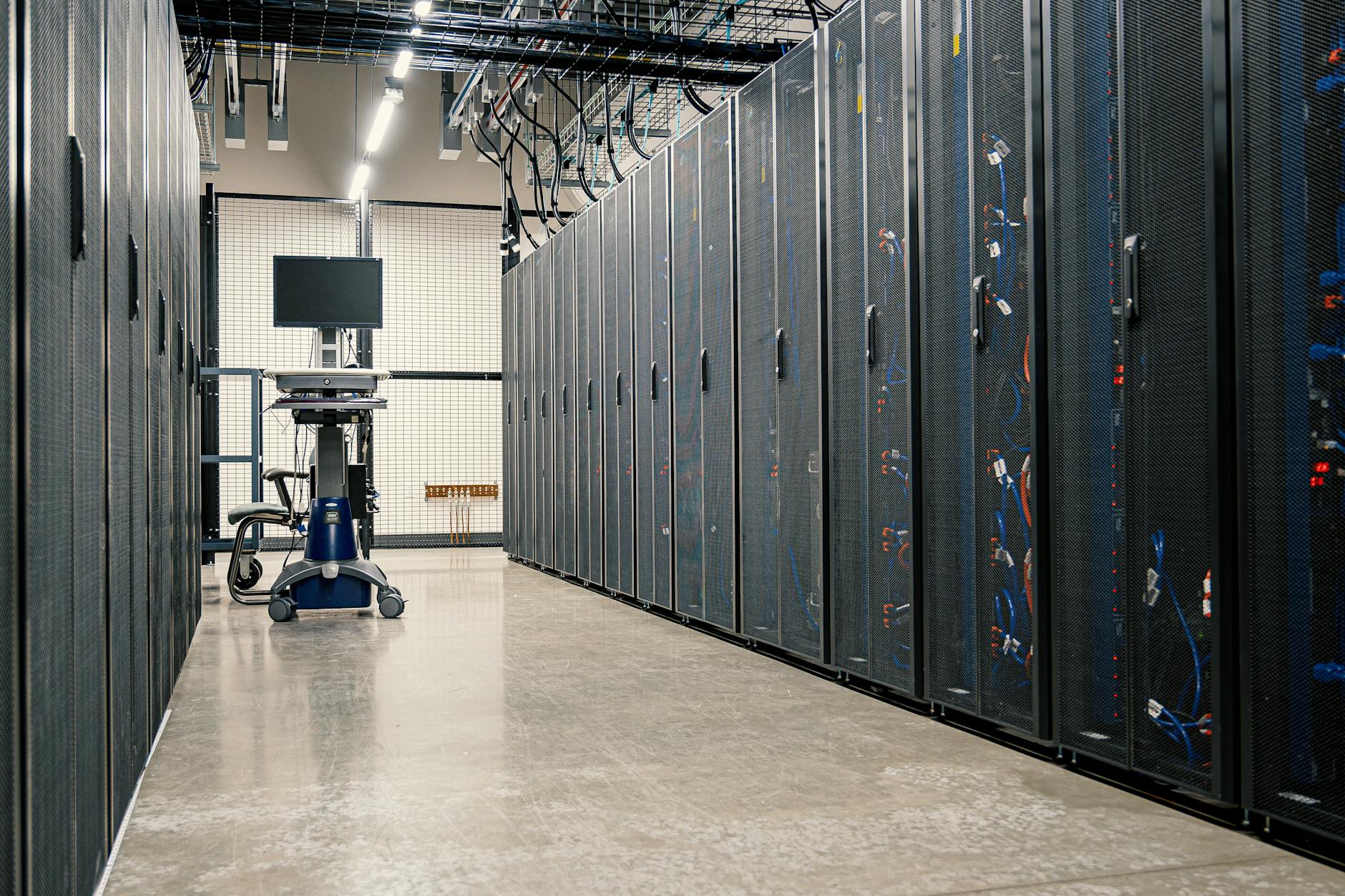
Imagine a data center humming with thousands of GPUs, each one crunching massive models that power everything from chatbots to predictive maintenance. Now picture the IT team frantically juggling hardware upgrades, software patches, and security alerts—all while the business demands faster insights. That’s the reality many enterprises face today: AI is no longer a niche experiment; it’s a core engine, and its infrastructure is morphing into a complex operations nightmare.
What's Going On
Enterprises are moving from occasional AI pilots to continuous, production‑grade AI services. According to Analytics Insight, the surge in model size, data volume, and real‑time inference requirements is stretching traditional IT playbooks to the breaking point.
Legacy data centers were designed for predictable, batch‑oriented workloads. AI workloads, however, are highly variable—training runs can spike CPU and GPU utilization to 100 % for days, while inference may need sub‑millisecond latency across the globe. This volatility forces organizations to over‑provision resources, driving up CapEx and OpEx dramatically.
At the same time, the hardware ecosystem is fragmenting. NVIDIA, AMD, Intel, and specialized AI chips each bring their own drivers, libraries, and firmware quirks. Keeping these components up‑to‑date, compatible, and secure becomes a daily ops checklist that dwarfs traditional server maintenance.
Why This Matters
The operational strain isn’t just an IT inconvenience; it’s a strategic risk. As PCMag's OS showdown highlighted, the choice of underlying platforms can dictate how quickly AI services can be deployed and scaled. When infrastructure bottlenecks slow down model rollout, businesses lose the competitive edge that AI promises.
Cost overruns are a glaring symptom. Enterprises that once budgeted for a few GPU nodes now find themselves buying racks of high‑density accelerators, each with premium power and cooling requirements. The hidden cost of specialized staffing—data scientists, MLOps engineers, and AI‑focused sysadmins—adds another layer of financial pressure.
Security and compliance also climb the priority ladder. AI models often ingest sensitive data, and the pipelines that move this data across on‑prem and cloud environments must meet strict regulations like GDPR, HIPAA, or industry‑specific standards. A misconfigured GPU node can become an attack surface, exposing proprietary models and data.
What It Means for the Industry
Enterprises are reevaluating their AI strategy from a purely technical perspective to a holistic operations mindset. The rise of MLOps platforms—tools that automate model versioning, CI/CD pipelines, and monitoring—reflects this shift. Companies that embed observability into every stage of the AI lifecycle can detect drift, performance degradation, or resource leaks before they become outages.
Cloud providers are stepping in with tailored AI services that abstract away much of the hardware complexity. Managed GPU clusters, serverless inference, and auto‑scaling capabilities let businesses focus on model innovation rather than hardware logistics. However, this also introduces vendor lock‑in considerations, prompting some firms to adopt hybrid or multi‑cloud architectures to retain flexibility.
Talent scarcity compounds the problem. While data scientists are in high demand, the niche skill set required to tune GPU drivers, manage distributed training frameworks, and ensure compliance is rare. Organizations are investing in upskilling programs and partnering with specialized AI ops firms to bridge the gap.
From a governance angle, boardrooms are now asking for clear ROI metrics on AI spend. The traditional “build‑once‑use‑forever” server model no longer applies; instead, continuous cost monitoring, predictive capacity planning, and dynamic budgeting are becoming standard practice.
Even the software stack is evolving. Open‑source frameworks like TensorFlow and PyTorch now offer built‑in profiling tools, while newer runtimes such as ONNX Runtime aim to standardize inference across hardware vendors, reducing the operational overhead of maintaining multiple stacks.
Lastly, the industry is witnessing a cultural shift. Ops teams are no longer siloed from data science; cross‑functional squads that include engineers, analysts, and security specialists are the new norm. This collaborative model helps surface operational pain points early, turning reactive firefighting into proactive optimization.
What Happens Next
Looking ahead, the bandwidth demands of AI workloads will only intensify. Credo's bandwidth solution showcases how optical interconnects are being engineered to move petabytes of data between training clusters with minimal latency, a critical factor for future generative AI models.
At the same time, major tech leaders are signaling a desire for greater independence in AI tooling. Microsoft CEO Satya Nadella's statement hints at a broader industry trend toward building proprietary AI stacks, which could reshape the competitive landscape and further complicate operations for enterprises that must integrate multiple vendor solutions.
In practice, we can expect a surge in purpose‑built AI infrastructure appliances—think turnkey racks that combine high‑density GPUs, integrated cooling, and pre‑configured MLOps software. These appliances aim to reduce the time‑to‑value for AI projects while offering predictable cost models.
Regulators will also play a larger role, introducing standards for AI model transparency, data provenance, and environmental impact. Companies that embed compliance checks into their CI/CD pipelines today will avoid costly retrofits tomorrow.
Ultimately, the enterprises that thrive will be those that treat AI infrastructure as a living system—one that requires continuous monitoring, automated scaling, and a culture of shared responsibility across data science, engineering, and security teams. The challenge is real, but the payoff—accelerated innovation, smarter decision‑making, and a decisive market edge—makes it a battle worth fighting.


