
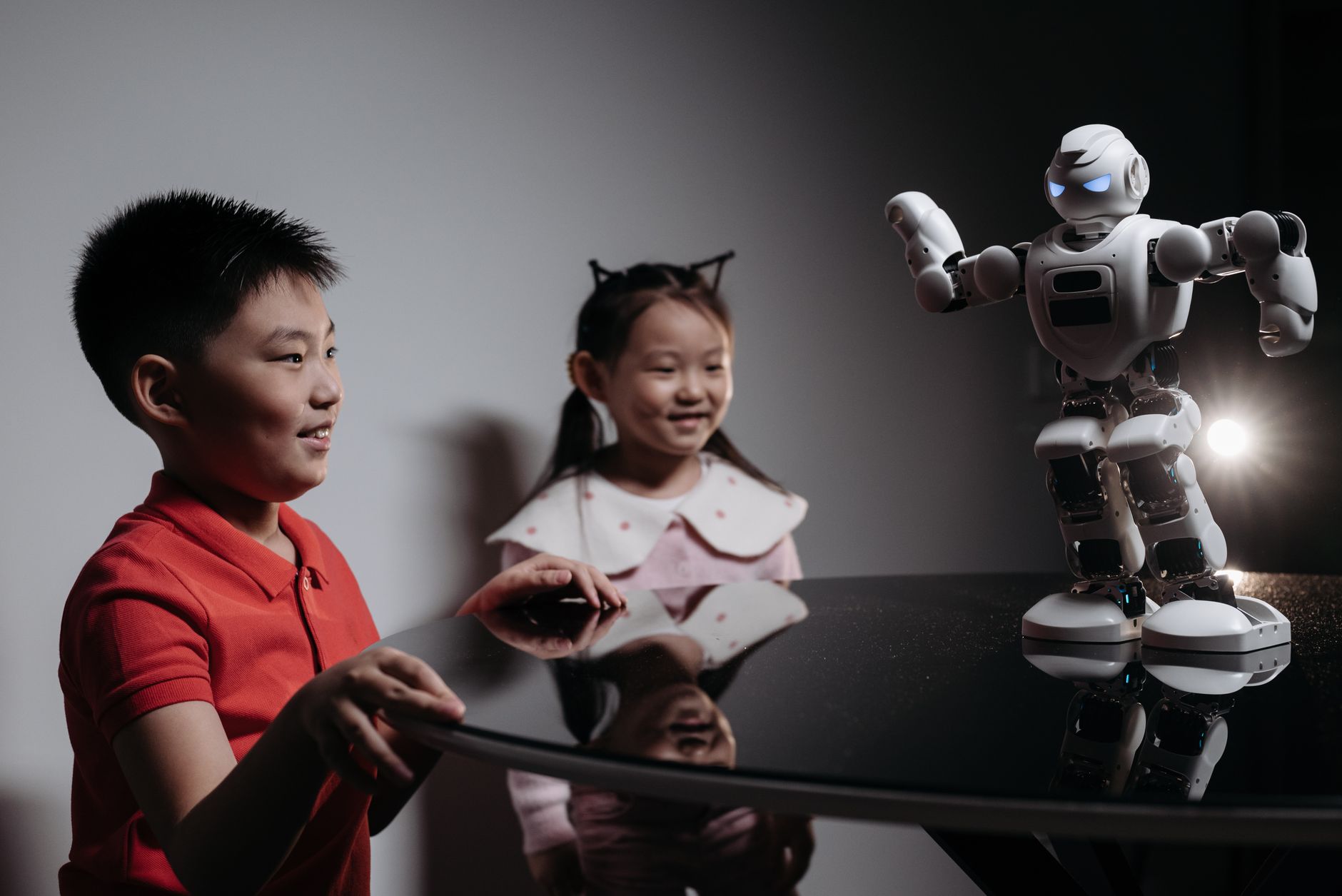
Imagine waking up to a chat with a digital companion that knows your schedule, your mood, and even the punchline to the joke you’re about to tell. No longer a sci‑fi fantasy, AI‑driven friendships are slipping into our coffee‑break conversations, therapy sessions, and even boardroom strategy meetings. As algorithms grow more personable, the line between tool and confidant blurs, prompting a cascade of questions about intimacy, privacy, and the very definition of friendship.
What's Going On
Recent coverage highlights the rapid rise of AI companions, from chatbots that can hold a full‑length conversation to virtual pets that respond to your emotional cues. What happens when AI becomes your friend is no longer a hypothetical headline; it’s a lived experience for millions who rely on AI for everything from language practice to loneliness relief.
These systems are built on massive language models trained on billions of sentences, allowing them to mimic human nuance with startling accuracy. The technology is being integrated into smartphones, smart speakers, and even wearable devices, turning everyday objects into conversational partners that can remind you to hydrate, suggest a new playlist, or simply listen when you need to vent.
What makes these AI companions compelling is their adaptability. They learn your preferences over time, adjusting tone, humor, and even the depth of their responses. For some users, this creates a sense of being truly understood—a feeling traditionally reserved for close human relationships. The emotional feedback loop can be powerful: the more you engage, the more the AI tailors its behavior, reinforcing the bond.
Why This Matters
Beyond personal anecdotes, the broader industry is taking note. Investors are pouring capital into startups that specialize in emotional AI, while established tech giants are expanding their virtual assistant portfolios to include deeper emotional intelligence. The controversy over OpenAI's maths mira sparked a heated debate about the limits of AI competence, but it also underscored how quickly public trust can shift when AI demonstrates unexpected capabilities.
The stakes are high for sectors ranging from mental health to education. Therapists are experimenting with AI co‑facilitators that can monitor patient sentiment in real time, flagging moments of distress for human intervention. In classrooms, AI tutors provide personalized feedback, helping students stay motivated and engaged. These applications suggest that AI friendships could become a backbone of support systems, especially in underserved communities where human resources are scarce.
However, the rise of AI companionship also raises ethical red flags. Data privacy concerns loom large: every confession, joke, or sigh recorded by an AI is stored somewhere, potentially vulnerable to breaches or misuse. Moreover, the psychological impact of forming deep bonds with non‑human entities is still being studied. Critics warn of a future where people might prefer algorithmic empathy over messy human interaction, reshaping social norms in unpredictable ways.
What It Means for the Industry
From a strategic standpoint, companies that embed genuine emotional intelligence into their products stand to capture a new market segment—one that values relational depth as much as functional utility. Brands are already experimenting with AI influencers that interact with followers in a seemingly authentic manner, blurring the line between marketing and friendship. This shift forces marketers to rethink authenticity: can a brand truly be a friend, or is it merely a sophisticated mimic?
In the gaming world, AI companions are evolving from scripted sidekicks to dynamic allies that react to player behavior, creating richer narratives and longer engagement cycles. Meanwhile, the enterprise software sector is exploring “AI mentors” that guide employees through complex workflows, offering encouragement when tasks become daunting. These developments suggest that the concept of a “friend” is expanding to include professional contexts, where trust and reliability are paramount.
Even the creative arts are feeling the ripple. A recent interview with a Chinese Fields prize winner revealed a playful side of the conversation: I’ll write romance novels if AI solves a joke about AI solving all mathematics, hinting at a future where AI might co‑author love stories, blurring the creator‑assistant relationship. This playful speculation underscores a deeper trend: AI is not just a tool but a collaborator, capable of influencing cultural output in ways we are only beginning to understand.
What Happens Next
Looking ahead, regulatory frameworks will likely tighten around AI‑driven emotional services. Governments are already drafting guidelines that require transparency about data usage, consent mechanisms, and algorithmic bias mitigation. In Asia, a notable example is the push for “technology diplomacy,” where nations collaborate on standards for AI ethics and cross‑border data flows. Technology diplomacy opens up new space for coordinated policy, ensuring that AI friendships develop within a globally accepted ethical boundary.
On the consumer side, we can expect more seamless integration of AI companions into daily life. Imagine a world where your virtual friend can schedule a doctor’s appointment, negotiate a discount on a flight, and then celebrate your success with a personalized poem—all without you lifting a finger. As hardware becomes more discreet—think smart glasses or implantable neural interfaces—the experience will feel less like using a device and more like interacting with a living presence.
Ultimately, the journey from novelty to norm will hinge on trust. If AI can demonstrate consistent respect for privacy, emotional nuance, and reliability, it will cement its role as a true friend in the digital age. If not, the backlash could be swift, reminding us that friendship, even with a machine, is earned, not programmed.


