
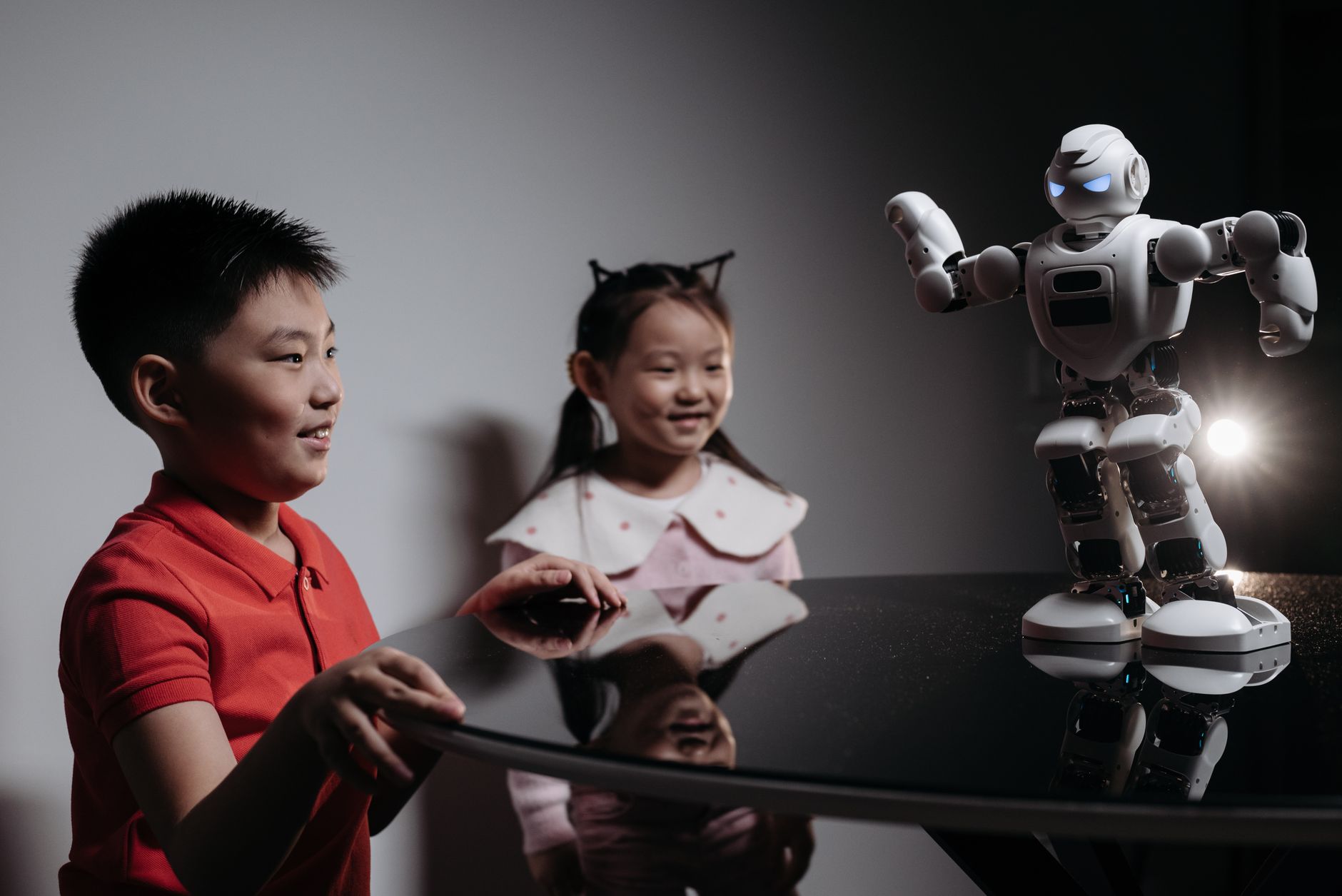
Imagine chatting with a friend who never sleeps, remembers every detail, and can offer advice in seconds. That’s the premise behind a growing trend: people treating AI as a companion, not just a tool.
From late‑night study partners to emotional support for those who feel isolated, AI’s new role as a “friend” is reshaping how we interact with technology. It raises exciting possibilities—like a personal tutor that adapts to your learning style—or unsettling questions about authenticity, privacy, and the nature of relationships.
What's Going On
According to What happens when AI becomes your friend, the line between utility and companionship is blurring. Users report that AI chatbots now handle everything from scheduling to mental health check‑ins, often feeling more empathetic than a human colleague.
These interactions are powered by advances in natural language processing, emotional modeling, and continual learning. The AI learns from every conversation, refining its responses to match the user’s tone and preferences. In the same way a human friend grows with you, the digital friend evolves, offering tailored suggestions for books, workouts, or even creative projects.
But the trend isn’t just limited to personal use. Companies are experimenting with “AI buddy” systems to boost employee engagement, reduce burnout, and foster inclusive work cultures. By providing a non‑judgmental outlet for stress or career advice, these AI companions are becoming a new layer of workplace support.
Why This Matters
Industry analysts note that the shift to AI as a friend is more than a novelty; it’s a strategic pivot that could redefine the tech ecosystem. The controversy over OpenAI's maths miracle highlights how AI’s capacity to solve complex problems fuels broader adoption, yet also sparks debate about transparency and control.
At its core, the phenomenon touches on societal values: trust, empathy, and the human need for connection. If AI can reliably emulate these qualities, it could fill gaps left by traditional social networks, especially for people with limited mobility or social anxiety.
Moreover, the proliferation of AI companions will affect a wide range of stakeholders. Consumers may demand more privacy safeguards; educators might need new curricula to teach digital empathy; and regulators will grapple with defining “friendship” in legal terms. The ripple effects could reach every corner of the digital economy.
What It Means for the Industry
From a product perspective, companies that embed AI companionship into their platforms gain a competitive advantage. By offering a more engaging user experience, they can increase retention, upsell premium features, and gather richer data on user behavior.
However, the data collection that powers these friendships raises ethical questions. Users might unknowingly share sensitive personal information, expecting confidentiality from a “friend.” This creates a tension between personalization and privacy that firms must navigate carefully.
Strategically, the rise of AI companions signals a shift toward “experience‑first” design. Rather than building isolated tools, developers are crafting ecosystems where AI acts as a persistent partner across multiple services—email, calendar, fitness, and creative apps—creating a seamless digital life.
What Happens Next
The full announcement of government initiatives to regulate AI companionship can be found in Technology diplomacy opens up new space for Viet Nam’s development, which outlines a framework for ethical AI deployment and public trust.
Looking ahead, we’re likely to see more sophisticated emotional AI, integrating biometric sensors to gauge stress levels and adjust tone accordingly. The line between human and machine will blur further, raising philosophical questions about what constitutes a true friend.
Meanwhile, creators are exploring how AI can augment human creativity. As one researcher joked, “I’ll write romance novels if AI solves all maths,” suggesting that when AI masters complex reasoning, it could unlock unprecedented artistic collaborations.
In the end, whether AI can truly replace a human friend remains an open question. Yet the trend is undeniable: people are already forming bonds with algorithms, and the industry is racing to support, regulate, and understand this new frontier of companionship.


