
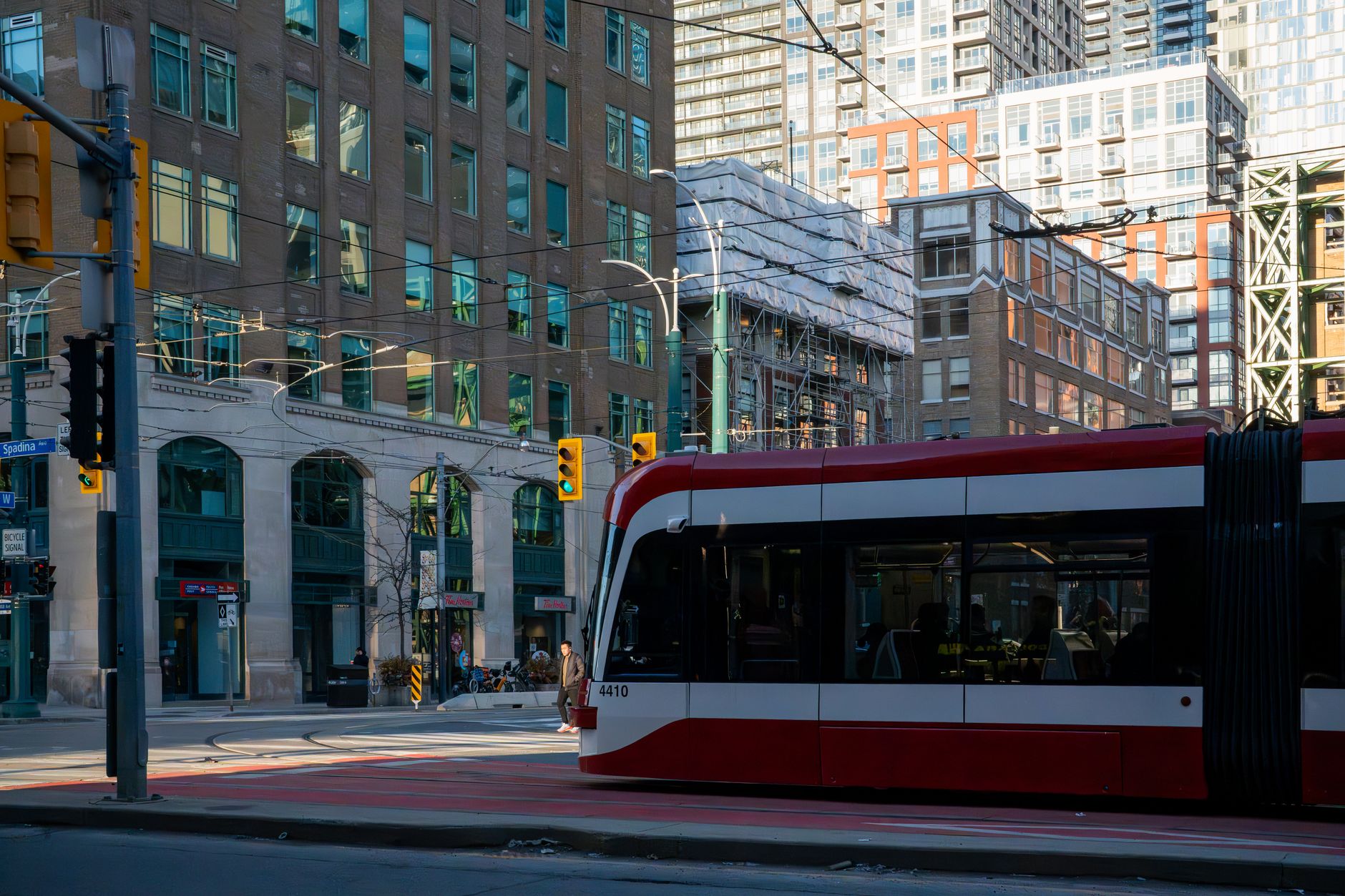
As the world continues to move towards a future of autonomous vehicles, one company is taking bold steps to bring self-driving cars to the masses. Waymo, a subsidiary of Alphabet Inc., is planning to introduce its robotaxis to the streets of Toronto, but the journey is not without its challenges. According to news reports, Waymo is taking steps to get its robotaxis on Toronto streets, but roadblocks await.
What's Going On
Waymo has been testing its self-driving technology in several cities across the United States, including Phoenix, Arizona, and San Francisco, California. The company has also partnered with Uber to introduce self-driving taxis in several cities. However, introducing its robotaxis to Toronto will require navigating a more complex regulatory environment.
Toronto has a robust regulatory framework in place for autonomous vehicles, which includes strict testing and approval processes. Waymo will need to comply with these regulations and obtain the necessary permits before it can deploy its robotaxis on the city's streets.
Furthermore, Waymo will need to address public concerns about the safety and reliability of its self-driving technology. While the company has a strong track record of safety, there may be concerns among Toronto residents about the potential risks associated with autonomous vehicles.
Why This Matters
The rollout of Waymo's robotaxis in Toronto has significant implications for the autonomous vehicle industry. According to industry analysts, the success of Waymo's robotaxis in Toronto will set a precedent for other cities to follow. If Waymo can successfully navigate the regulatory and public acceptance challenges, it could pave the way for other companies to introduce their own self-driving vehicles in Toronto.
The success of Waymo's robotaxis in Toronto will also have a significant impact on the broader industry. It will demonstrate the potential for autonomous vehicles to transform the way people move around cities, and it will provide valuable insights into the regulatory and public acceptance challenges associated with these technologies.
Ultimately, the rollout of Waymo's robotaxis in Toronto will have a significant impact on the lives of Toronto residents, who will have access to a new and innovative mode of transportation. It will also have a significant impact on the broader industry, which will be watching closely to see how the company navigates the challenges associated with introducing self-driving vehicles in a complex urban environment.
What It Means for the Industry
The rollout of Waymo's robotaxis in Toronto will have significant implications for the autonomous vehicle industry. It will demonstrate the potential for autonomous vehicles to transform the way people move around cities, and it will provide valuable insights into the regulatory and public acceptance challenges associated with these technologies.
The success of Waymo's robotaxis in Toronto will also have a significant impact on the broader industry. It will demonstrate the potential for autonomous vehicles to transform the way people move around cities, and it will provide valuable insights into the regulatory and public acceptance challenges associated with these technologies.
Ultimately, the rollout of Waymo's robotaxis in Toronto will have a significant impact on the lives of Toronto residents, who will have access to a new and innovative mode of transportation.
What Happens Next
The rollout of Waymo's robotaxis in Toronto is expected to be a complex and iterative process. According to the full announcement, Waymo will need to comply with Toronto's regulatory framework and obtain the necessary permits before it can deploy its robotaxis on the city's streets.
Waymo will also need to address public concerns about the safety and reliability of its self-driving technology. While the company has a strong track record of safety, there may be concerns among Toronto residents about the potential risks associated with autonomous vehicles.
Ultimately, the success of Waymo's robotaxis in Toronto will depend on the company's ability to navigate the regulatory and public acceptance challenges associated with introducing self-driving vehicles in a complex urban environment.
In related news, Ford has established a new organization to focus on scaling next-generation vehicles and technology, according to official statement. This move is seen as a significant step towards Ford's goal of becoming a leader in the autonomous vehicle industry.
While Ford's move is an important development in the autonomous vehicle industry, it is not directly related to Waymo's plans to introduce robotaxis in Toronto. However, it does highlight the significant investment and innovation that is happening in the industry, and it suggests that the competition for market share will be fierce.
As the autonomous vehicle industry continues to evolve, one thing is clear: the companies that are able to navigate the regulatory and public acceptance challenges associated with these technologies will be the ones that succeed in the long term. Waymo's plans to introduce robotaxis in Toronto are an important step towards that goal, and the company will be closely watched as it navigates the challenges associated with this rollout.


