
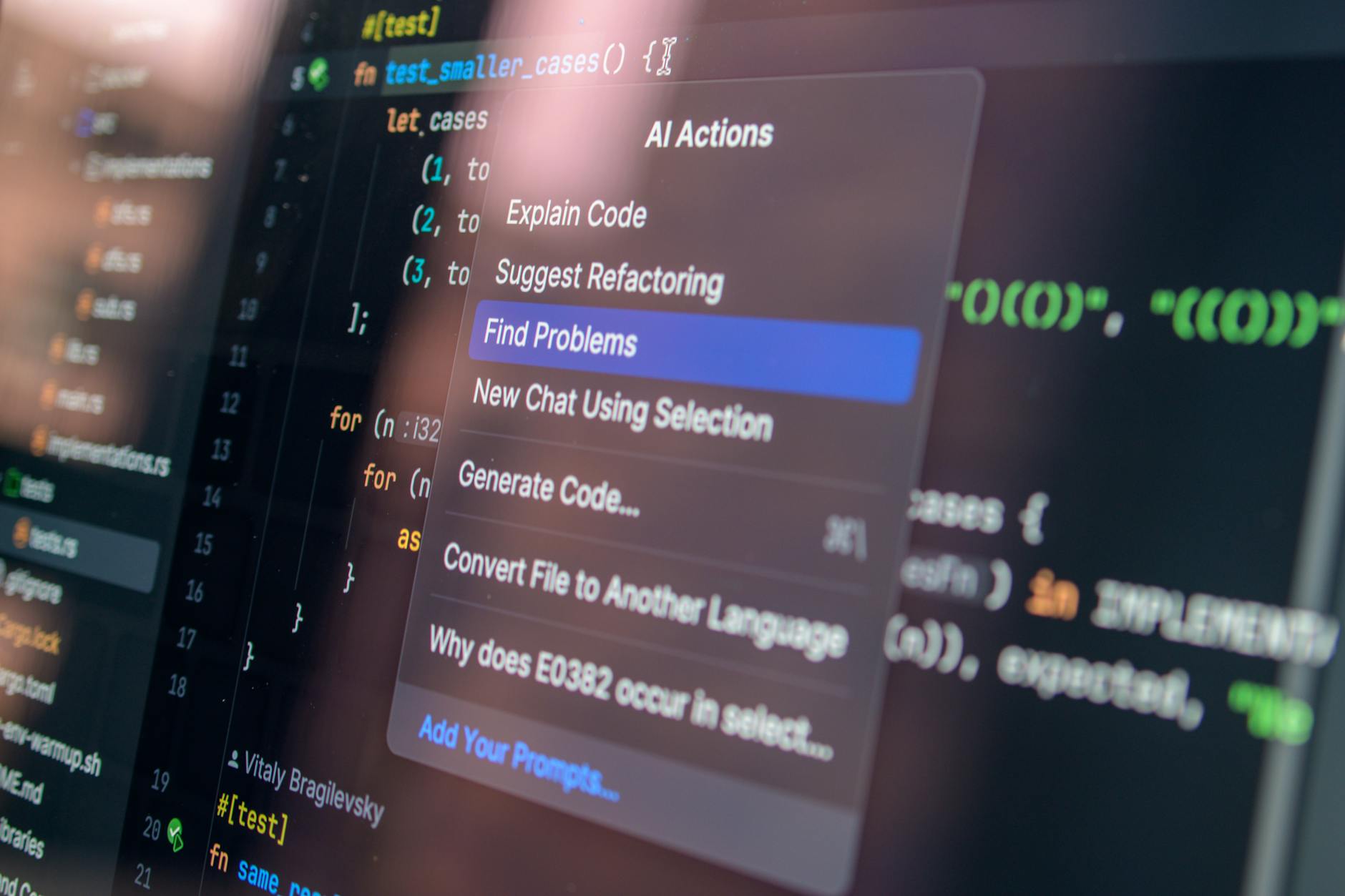
Imagine a world where your favorite open‑source operating system refuses to accept any code that might have been generated by a black‑box AI model unless it’s clearly disclosed. That’s exactly the new reality Void Linux has announced, and it’s turning a quiet corner of the Linux community into a hotbed of debate.
In a move that feels both radical and strangely inevitable, Void Linux has declared itself an “AI orphan.” The distribution is banning any code that could have been produced by an AI model unless the source of that code is transparently identified and the model’s output is vetted. This decision isn’t just a technical tweak—it’s a philosophical statement about trust, accountability, and the future of collaborative software development.
What's Going On
According to WebProNews reports, Void Linux’s leadership has issued a formal announcement outlining the new policy. The distribution’s maintainers argue that the rapid proliferation of AI‑generated code has introduced a new class of uncertainty into the open‑source ecosystem. By labeling the project as an “AI orphan,” they signal a refusal to carry the invisible baggage of unverified, potentially copyrighted, or malicious code that could slip in unnoticed.
Under the new rules, any contributor who wants to submit code that may have been produced by an AI tool must explicitly disclose the model used, the prompt or seed data, and provide a human‑reviewed audit of the resulting code. Failure to do so will result in the code being rejected or, in some cases, removed from the repository entirely. The policy also extends to third‑party dependencies: if a library or package includes AI‑generated components, it must be flagged and reviewed before integration.
Void Linux’s decision comes at a time when AI tools such as GitHub Copilot, OpenAI’s ChatGPT, and DeepMind’s AlphaCode have become mainstream aids for developers. While these tools accelerate coding, they also blur the line between human and machine authorship. The distribution’s policy is an attempt to bring that line back into focus.
Why This Matters
In the broader tech landscape, the VITW 2026 official announcement highlighted the growing importance of transparency and trust in software supply chains. Companies attending the expo emphasized that any hidden or opaque code can become a vector for security vulnerabilities or intellectual property disputes. Void Linux’s stance echoes these concerns, reinforcing the need for clear provenance in every line of code that reaches production.
Beyond security, this move has cultural implications. Open source thrives on the idea that anyone can inspect, modify, and redistribute code. If a significant portion of that code is generated by an AI with no clear human author, the community’s ability to audit and understand the codebase is compromised. By banning undisclosed AI output, Void Linux is preserving the integrity of its codebase and setting a precedent that may influence other distributions and large projects.
Developers who rely on Void Linux for critical infrastructure—whether in embedded systems, cloud services, or edge devices—will feel the ripple effects. The policy may slow down contributions from AI‑assisted developers, but it also encourages more rigorous review practices that could improve overall code quality.
What It Means for the Industry
The policy shift could prompt a reevaluation of how AI tools are integrated into the development workflow. Companies may need to invest in internal audit mechanisms to ensure that any AI‑generated code is properly disclosed and vetted before release. This could lead to a new niche of compliance tooling, similar to how code scanning and static analysis tools have become standard in many CI/CD pipelines.
Moreover, the “AI orphan” label could influence how other Linux distributions approach AI integration. Some may adopt a more permissive stance, while others might follow Void Linux’s lead. The result could be a fragmented landscape where some distros are AI‑friendly and others are AI‑averse, forcing developers to choose platforms that align with their risk tolerance and philosophical preferences.
From a strategic perspective, the move could also affect the broader open‑source community’s relationship with AI companies. If major distributions start demanding disclosure, AI vendors might need to provide more robust provenance tools or offer guarantees about the originality of their outputs. This could accelerate the development of standards around AI‑generated code, such as the emerging “AI Code Provenance” initiative.
What Happens Next
The full announcement from WebProNews outlines that Void Linux will begin enforcing the new policy in the upcoming release cycle, with a transition period for existing contributors. The team has also opened a public forum where developers can discuss best practices for AI code disclosure and share tools that help track the lineage of AI‑generated snippets.
In the meantime, the community is buzzing with speculation about how other projects will respond. Some open‑source giants are already evaluating their own policies, while smaller projects are debating whether to adopt similar guidelines. The conversation is heating up, and it’s clear that the debate around AI code provenance is only just beginning.
As we watch this unfold, one thing is clear: the intersection of AI and open source is a frontier that demands careful navigation. Void Linux’s bold stance may be the spark that ignites a broader movement toward transparency, accountability, and trust in the software we build and rely on every day.
For those curious about how other industries are grappling with AI, Taiwan-Founded Asia Talent Platform Cake has recently highlighted the growing demand for AI‑savvy talent, underscoring the importance of clear coding practices in a rapidly evolving job market.
In the end, Void Linux’s decision is more than a policy tweak—it’s a call to action for the entire tech community to reexamine how we define authorship, responsibility, and trust in an age where code can be written by machines as well as humans.


