
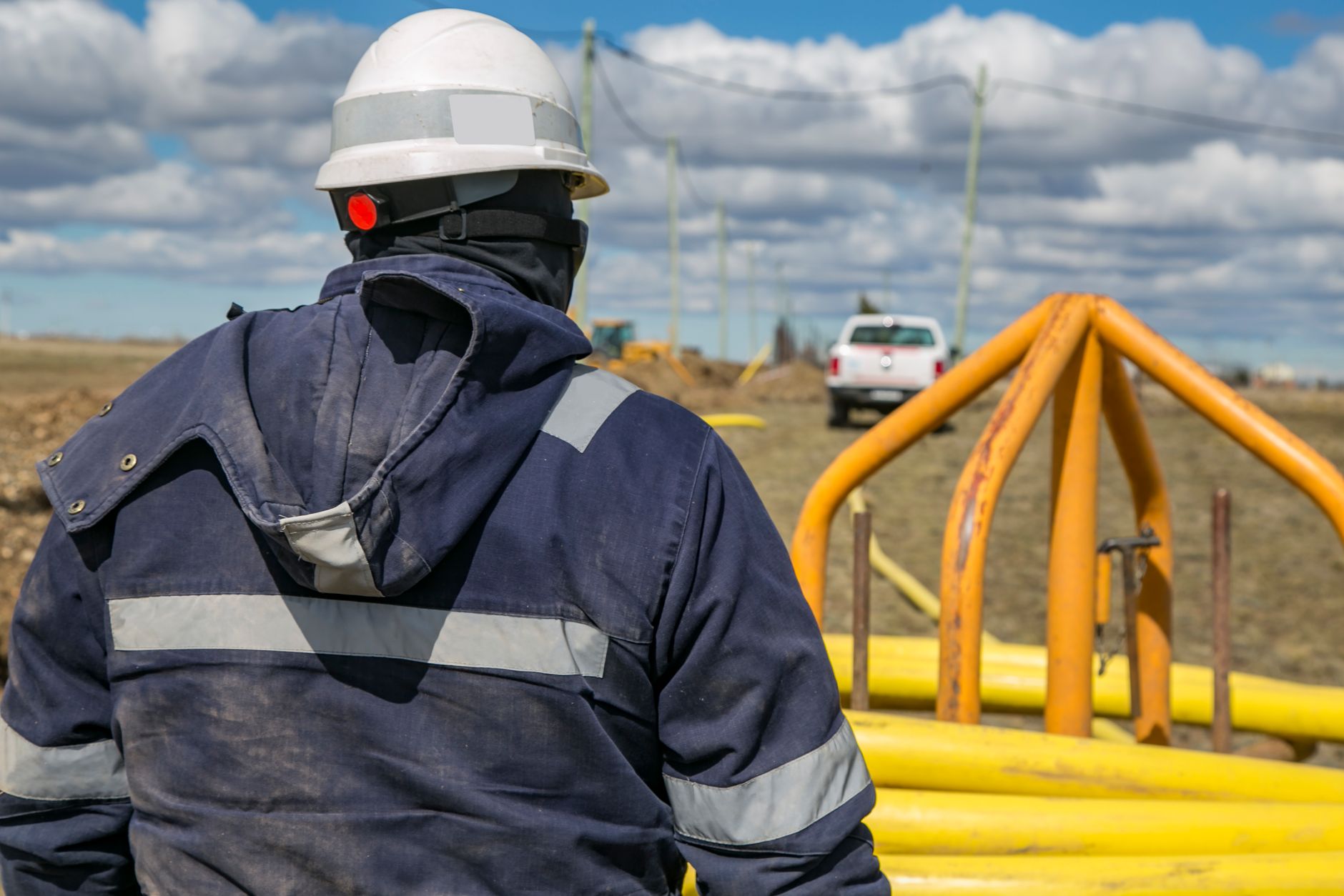
Picture a sprawling network of pipelines snaking through rugged mountains, dense forests, and arid deserts—an invisible lifeline that fuels industries, powers homes, and supports communities. For decades, keeping an eye on these arteries has been a logistical nightmare, requiring costly patrols, satellite imagery, and manual inspections that are often delayed by weather, accessibility, or sheer distance. Today, a breakthrough in computer vision promises to turn that nightmare into a streamlined, real‑time monitoring system that can spot leaks, corrosion, and structural weaknesses as soon as they appear.
What's Going On
According to a recent industry report, Vision AI expands visibility across remote pipeline corridors by deploying a network of drones, ground robots, and stationary cameras equipped with deep‑learning models trained on terabytes of imagery. These devices feed data into a cloud‑based analytics platform that flags anomalies, generates predictive maintenance schedules, and even alerts operators to potential environmental hazards before they become critical.
The technology leverages advances in edge computing, enabling each sensor node to perform initial image processing on-site. This reduces bandwidth requirements and ensures that urgent alerts are transmitted instantly, even in areas with spotty connectivity. Coupled with satellite uplinks and 5G backhaul, the system can maintain a 24/7 surveillance loop across thousands of kilometers of pipeline.
Beyond surveillance, the platform offers a suite of visualization tools. Operators can overlay real‑time data on interactive maps, drill down into specific segments, and view historical trends that help identify patterns of wear or stress. The result is a comprehensive, data‑rich picture that empowers decision‑makers to act proactively rather than reactively.
Why This Matters
Industry analysts note that the deployment of Vision AI could reduce inspection costs by up to 40% and cut down downtime by 30%, according to a recent discussion on WILL AI TAKE AWAY JOBS? The technology is not about replacing human workers entirely but augmenting them with tools that enhance situational awareness and precision.
The bigger picture is one of safety and environmental stewardship. Pipeline leaks can release hazardous chemicals, damage ecosystems, and jeopardize public health. By detecting anomalies early, operators can schedule repairs before a small leak escalates into a catastrophic spill. This proactive stance aligns with stricter regulatory requirements and growing public scrutiny over infrastructure reliability.
Stakeholders across the supply chain stand to benefit. Asset owners gain peace of mind, service providers can offer differentiated monitoring packages, and local communities receive assurances that their surroundings are protected. Even insurance companies are taking note, as predictive insights translate into lower risk premiums.
What It Means for the Industry
From a strategic perspective, the adoption of Vision AI signals a shift toward digital twins in the energy sector. By creating a virtual replica of the physical pipeline, operators can simulate stress scenarios, test maintenance protocols, and optimize routing without physical intervention. This level of modeling requires robust data pipelines and high‑fidelity sensor inputs—exactly what Vision AI delivers.
Moreover, the technology dovetails with broader trends in autonomous operations. As companies invest in self‑driving trucks, drones, and robotic maintenance units, a unified AI framework that can coordinate these assets becomes essential. Vision AI’s modular architecture allows for easy integration with other automation layers, from predictive analytics to robotic execution.
Investors are taking notice as well. A recent market analysis highlighted that Chip Stocks Are Sliding – Is BrainChip (ASX:BRN) the Edge AI Contrarian Play? The report argued that companies building edge‑computing chips—critical for on‑site image processing—could see renewed demand as AI deployments expand beyond consumer devices into industrial applications.
What Happens Next
As the pilot programs roll out across North America, Asia, and Africa, the next phase will involve scaling the network to cover entire national grids. Companies are also exploring partnerships with satellite operators to fill coverage gaps in remote regions. The full announcement of a joint venture between a leading AI startup and a global pipeline operator underscores the momentum behind this technology.
Looking ahead, we can expect a wave of regulatory updates that mandate real‑time monitoring for critical infrastructure. This will accelerate the adoption curve, pushing firms to invest in AI‑enabled systems to stay compliant. The ripple effect could extend into other sectors—water distribution, rail corridors, and even smart city utilities—where continuous surveillance is paramount.
In sum, Vision AI is more than a clever gadget; it’s a foundational shift in how we safeguard the arteries that keep our economies flowing. By marrying cutting‑edge computer vision with robust edge computing, the industry is stepping into a future where visibility is no longer a luxury but a standard. As these systems mature, the promise of safer, more efficient, and environmentally responsible infrastructure moves from aspiration to reality.


