
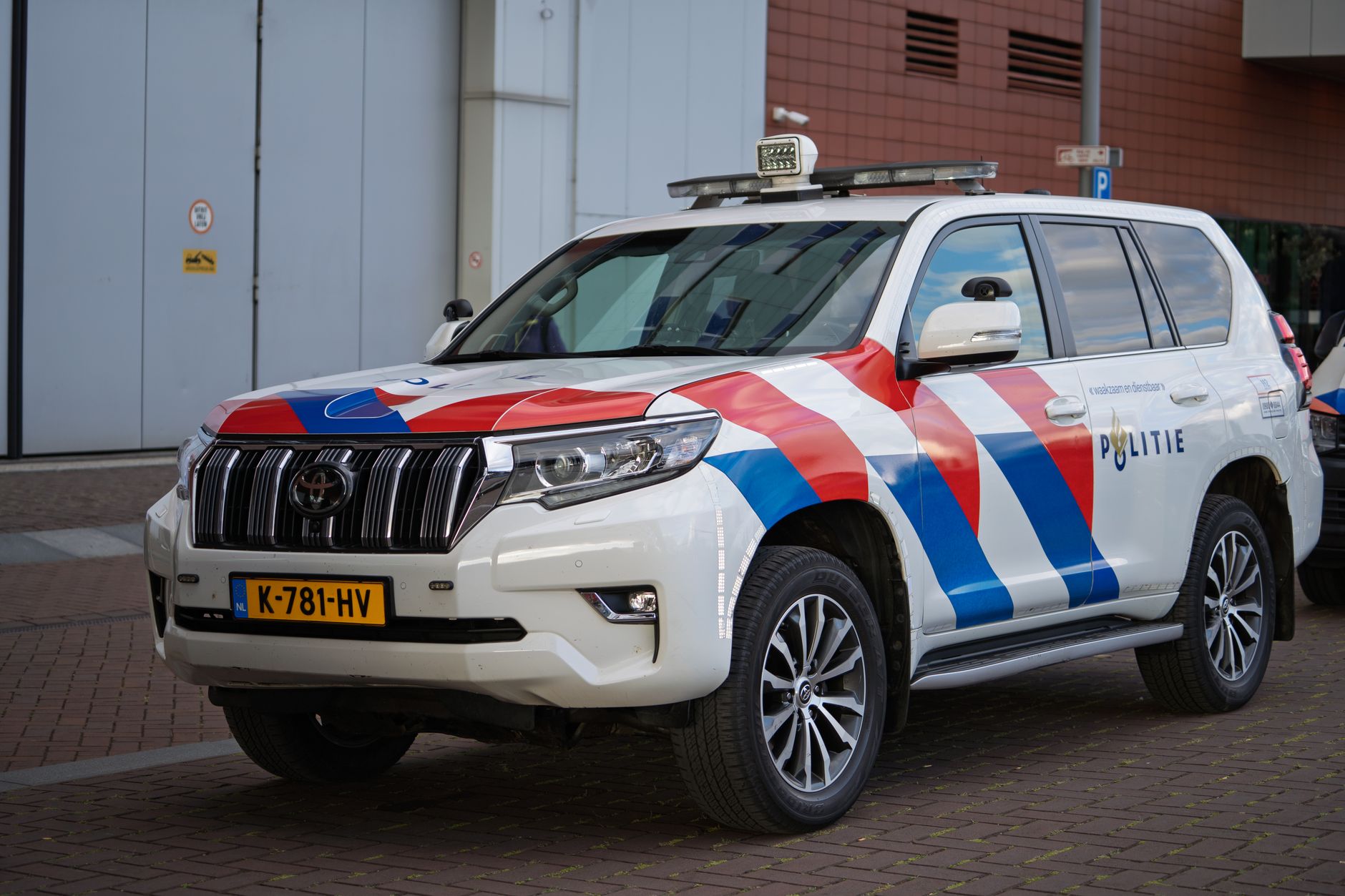
Imagine a world where your car is not just a mode of transportation, but a surveillance device that can track your every move. Sounds like science fiction, right? Unfortunately, this is becoming a harsh reality. With the advancement of technology, vehicles are now equipped with sophisticated surveillance tools that can monitor and record our activities. This raises serious concerns about our privacy and security. In a recent blog post, Kaspersky's official blog exposed the dangers of vehicle-based surveillance tools, highlighting the need for awareness and action.
What's Going On
The use of vehicle-based surveillance tools is a growing trend, with many cars now coming equipped with advanced technologies such as GPS tracking, cameras, and sensors. These tools are often marketed as safety features, designed to improve driver behavior and reduce accidents. However, they also pose a significant risk to our privacy, as they can be used to track our movements, monitor our activities, and even record our conversations. According to Kaspersky's blog post, these tools can be used to collect a wide range of data, including our location, speed, and driving habits.
This data can be used for a variety of purposes, including marketing, advertising, and even law enforcement. For example, insurance companies can use this data to determine our premiums, based on our driving habits. Similarly, law enforcement agencies can use this data to track our movements and monitor our activities. While these uses may be legitimate, they also raise serious concerns about our privacy and security.
The use of vehicle-based surveillance tools is not limited to cars. Many other vehicles, including trucks, buses, and even bicycles, are also being equipped with these technologies. This means that our movements and activities can be tracked and monitored, regardless of the mode of transportation we use. As Kaspersky's blog post notes, this is a growing concern that requires attention and action from consumers, regulators, and industry leaders.
Why This Matters
The use of vehicle-based surveillance tools has significant implications for our privacy and security. As industry analysts note, the collection and use of our personal data can have serious consequences, including identity theft, stalking, and even physical harm. Furthermore, the use of these tools can also erode our trust in institutions and organizations, as we become increasingly concerned about the misuse of our data.
The impact of vehicle-based surveillance tools is not limited to individuals. It also has significant implications for businesses and organizations, which can face serious consequences if they fail to protect our data. For example, companies that collect and use our data without our consent can face fines and penalties, as well as damage to their reputation and brand. As the use of these tools becomes more widespread, it is essential that businesses and organizations take steps to protect our data and ensure that it is used responsibly.
The use of vehicle-based surveillance tools also raises significant concerns about social justice and equity. For example, the use of these tools can disproportionately affect marginalized communities, which may already be subject to surveillance and monitoring. As Kaspersky's blog post notes, it is essential that we consider the social and economic implications of these tools, and work to ensure that they are used in a way that is fair and equitable.
What It Means for the Industry
The use of vehicle-based surveillance tools has significant implications for the automotive and technology industries. As these tools become more widespread, companies will need to take steps to protect our data and ensure that it is used responsibly. This may involve implementing new policies and procedures, as well as investing in new technologies and infrastructure. For example, companies may need to implement encryption and anonymization techniques to protect our data, as well as establish clear guidelines for its collection and use.
The use of vehicle-based surveillance tools also raises significant questions about the role of government and regulation. As these tools become more widespread, governments will need to establish clear guidelines and regulations for their use, in order to protect our privacy and security. This may involve establishing new laws and regulations, as well as investing in education and awareness campaigns to inform consumers about the risks and benefits of these tools.
Finally, the use of vehicle-based surveillance tools highlights the need for greater transparency and accountability in the automotive and technology industries. As Kaspersky's blog post notes, companies must be transparent about their data collection and use practices, and provide consumers with clear and concise information about the risks and benefits of these tools. This may involve establishing new standards and guidelines for data protection, as well as investing in research and development to improve the security and privacy of these tools.
What Happens Next
As the use of vehicle-based surveillance tools becomes more widespread, it is essential that we take steps to protect our privacy and security. This may involve implementing new policies and procedures, as well as investing in new technologies and infrastructure. For example, companies may need to establish clear guidelines for the collection and use of our data, as well as implement encryption and anonymization techniques to protect it. To learn more about the implications of vehicle-based surveillance tools, you can read the full announcement from industry leaders and experts.
Ultimately, the use of vehicle-based surveillance tools is a complex and multifaceted issue, which requires attention and action from consumers, regulators, and industry leaders. As we move forward, it is essential that we prioritize our privacy and security, and work to establish clear guidelines and regulations for the use of these tools. By doing so, we can ensure that these tools are used in a way that is fair, equitable, and responsible. For more information on the latest developments in the automotive and technology industries, you can visit industry news websites, which provide up-to-date news and analysis on the latest trends and technologies.


