
What's Going On
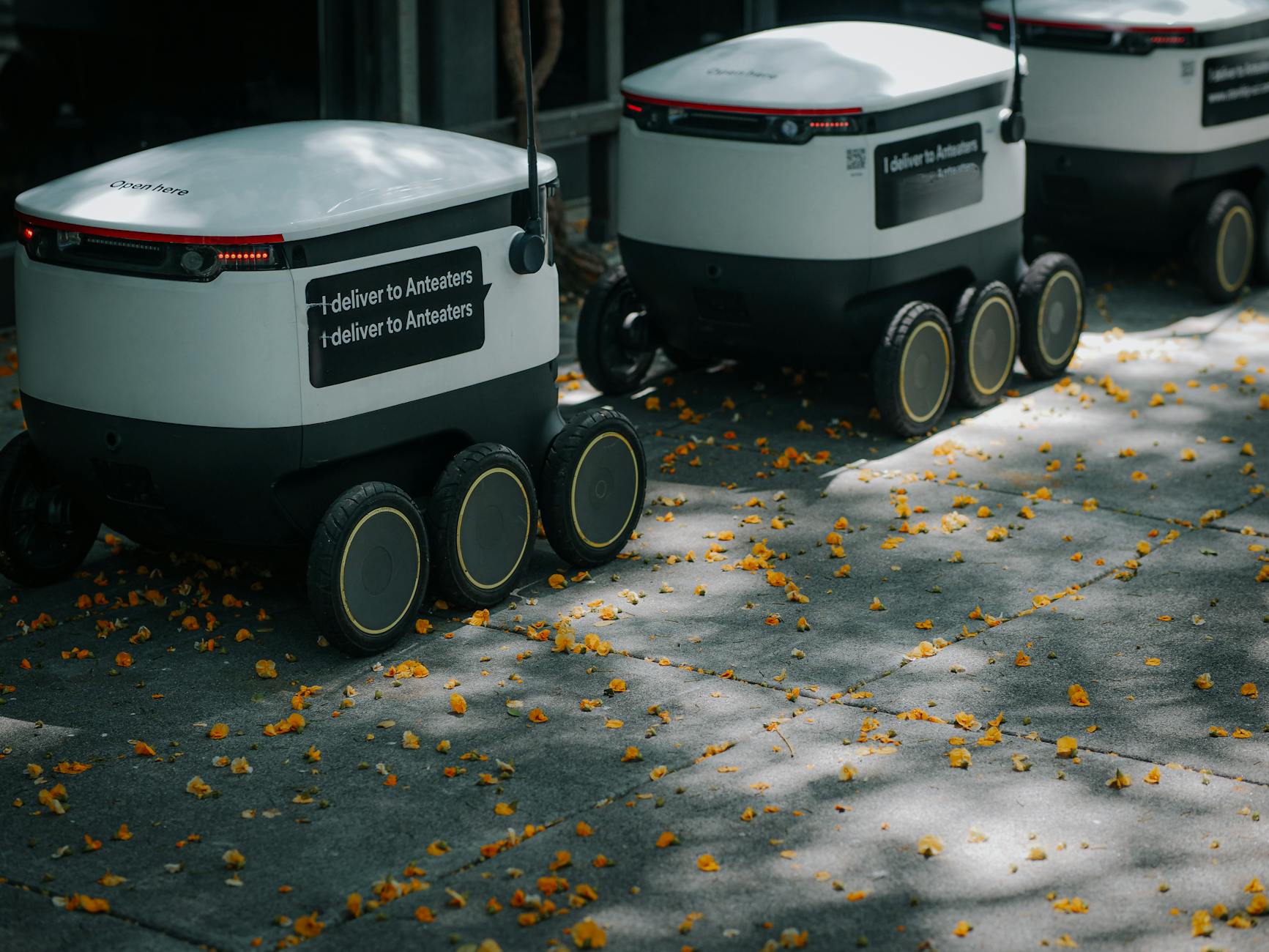
In a move that's set to revolutionize the way we receive deliveries, the city of Vancouver has approved a six-month delivery robot pilot program. According to CBC News, the program will see a fleet of robots navigating the city's streets to deliver packages to residents and businesses.
The pilot program is a result of a partnership between the city and a local startup, and it's designed to test the feasibility of using robots for last-mile delivery. The robots will be equipped with sensors and cameras to navigate through the city safely and efficiently.
The goal of the program is to identify any potential challenges or issues that may arise from using robots for delivery, and to gather data on their performance. This information will be used to inform future decisions about the use of robots in the city's transportation infrastructure.
Why This Matters
The approval of the delivery robot pilot program in Vancouver is significant because it marks a major step forward in the city's efforts to modernize its transportation infrastructure. Industry analysts note that technological advancements in delivery and transportation are changing the way companies operate and interact with consumers.
The use of robots for delivery has the potential to improve efficiency, reduce costs, and increase customer satisfaction. It also opens up new opportunities for businesses to explore new markets and expand their customer base.
The bigger picture is that this pilot program is part of a larger trend towards the adoption of autonomous vehicles and robots in various industries. As technology continues to advance, we can expect to see more innovative solutions being implemented in transportation and logistics.
What It Means for the Industry
The approval of the delivery robot pilot program in Vancouver has significant implications for the industry. It shows that cities are willing to experiment with new technologies and embrace innovation in transportation and logistics.
The use of robots for delivery is just one example of how companies are exploring new ways to improve efficiency and reduce costs. Other companies are also exploring the use of drones, self-driving cars, and other autonomous vehicles to improve their operations.
The strategic impact of this pilot program is that it sets a precedent for other cities to follow. It shows that cities are willing to work with startups and technology companies to implement innovative solutions that can improve the lives of residents and businesses.
What Happens Next
The next step is for the city and the startup to implement the pilot program and gather data on the performance of the robots. According to AINewsBreaks, the program will be closely monitored to identify any potential challenges or issues that may arise.
The data collected during the pilot program will be used to inform future decisions about the use of robots in the city's transportation infrastructure. It will also be used to identify areas for improvement and to develop strategies for scaling up the use of robots for delivery.
The official statement from the city emphasizes the importance of this pilot program in shaping the future of transportation and logistics in Vancouver. It's a bold move that could pay off in the long run, and it sets a precedent for other cities to follow.


