
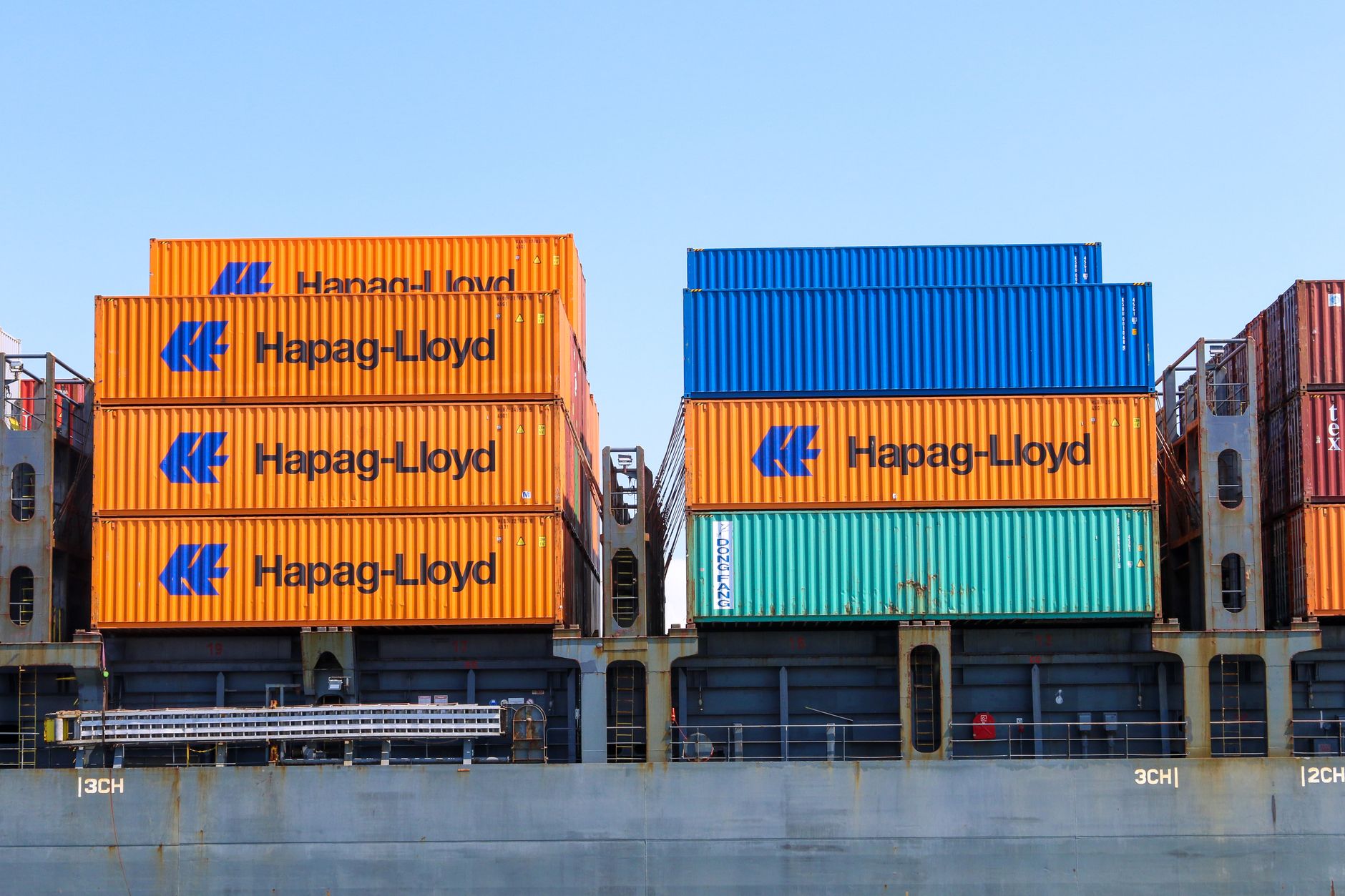
The ocean has always been a theater of strategy, from ancient naval battles to modern trade routes that keep the global economy humming. Today, however, the battlefield has shifted beneath the waves and into the code that powers a ship’s navigation, communications, and cargo systems. Imagine a cyber‑pirate silently slipping into a vessel’s network, manipulating GPS data, or even locking crew out of critical controls—all while the ship sails miles away from any shore. That’s the reality the United States is now confronting, as it tracks cyber threats against almost twenty commercial ships operating across the world’s busiest lanes.
What's Going On
According to Daily Camera reports, U.S. cyber‑defense agencies have identified a coordinated wave of malicious activity aimed at a fleet of merchant vessels ranging from container ships to oil tankers. The threats were first detected through a combination of network traffic analysis, anomaly detection tools, and intelligence sharing with allied maritime authorities. While the exact origin of the attacks remains under investigation, early indicators point to sophisticated actors capable of exploiting both legacy navigation systems and newer, cloud‑based ship management platforms.
The ships under surveillance are not randomly chosen; they represent critical nodes in global supply chains, moving everything from consumer electronics to raw materials. Each vessel’s vulnerability profile varies, but common threads include outdated firmware on automatic identification systems (AIS), unsecured Wi‑Fi hotspots for crew use, and third‑party software that often lacks rigorous security vetting. In several cases, attackers attempted to inject false AIS data, a tactic that could mislead port authorities and create dangerous traffic scenarios in congested waterways.
What makes this campaign especially concerning is its timing. Over the past year, the maritime sector has accelerated its digital transformation, adopting Internet of Things (IoT) sensors, predictive maintenance AI, and satellite‑linked logistics platforms. While these technologies improve efficiency, they also expand the attack surface. The U.S. response—monitoring, analyzing, and, where possible, neutralizing these threats—signals a broader strategic shift: cyber‑defense is now a core component of national security at sea.
Why This Matters
Industry analysts note that the ripple effects of a successful maritime cyber‑attack extend far beyond a single vessel’s cargo manifest. As highlighted by Boston Herald, a compromised ship can cause port delays, trigger insurance claim spikes, and even jeopardize the safety of crew members who may find themselves locked out of essential systems during an emergency. The economic stakes are massive: the global shipping industry moves roughly $10 trillion in goods each year, and even a modest disruption can translate into billions of dollars in lost revenue.
Beyond the immediate financial impact, there’s a geopolitical dimension. Many of the targeted vessels operate under flags of convenience, meaning they are registered in countries with varying levels of regulatory oversight. This creates a patchwork of security standards that adversaries can exploit. Moreover, the ability to disrupt shipping routes can be weaponized in broader strategic contests, especially in regions like the South China Sea, the Strait of Hormuz, and the Red Sea, where naval presence already heightens tensions.
Who feels the pressure? Ship owners, charterers, insurers, port operators, and even end‑consumers. Insurers are already revising cyber‑risk premiums for maritime policies, while classification societies are updating their guidelines to require more robust cybersecurity audits. Crew members, often the first line of defense, are being trained to recognize phishing attempts and to follow strict protocols for device usage aboard ship. The entire ecosystem is being forced to reckon with a new reality where a single line of malicious code can have cascading, real‑world consequences.
What It Means for the Industry
From a strategic standpoint, the U.S. tracking effort serves as both a warning and a catalyst. Companies that have lagged in cybersecurity now face a clear imperative: invest in hardened network architectures, adopt zero‑trust principles, and regularly patch legacy systems. The maritime sector is witnessing a surge in demand for specialized cyber‑risk assessments, penetration testing services, and managed security solutions tailored to the unique constraints of shipboard environments.
One implication is the rise of “cyber‑hardened” vessel designs. Shipbuilders are beginning to integrate secure hardware modules, encrypted communications, and isolated control networks that separate navigation functions from crew entertainment systems. This segregation reduces the likelihood that a compromised passenger Wi‑Fi could cascade into a navigation failure. Additionally, satellite operators are offering encrypted data links as a standard, diminishing the appeal of man‑in‑the‑middle attacks that have plagued older, unencrypted channels.
Strategically, the industry must also grapple with the balance between operational efficiency and security. Real‑time data sharing with logistics partners improves supply‑chain visibility, but every data exchange point is a potential entry vector. Companies are therefore adopting a risk‑based approach, classifying data streams by sensitivity and applying layered defenses accordingly. This shift is prompting a cultural change: cybersecurity is moving from an IT afterthought to a boardroom agenda item, with CEOs and CFOs now directly involved in budgeting for cyber resilience.
Finally, the collaborative aspect cannot be overstated. The U.S. initiative underscores the importance of information sharing across national borders, private sector consortia, and international maritime organizations. Initiatives like the International Maritime Organization’s (IMO) guidelines on ship‑board cyber risk management are gaining traction, and regional alliances are forming to pool threat intelligence, conduct joint exercises, and develop rapid response protocols for cyber incidents at sea.
What Happens Next
The full announcement from U.S. cyber‑defense agencies, as detailed by Greeley Tribune, indicates that monitoring will continue for the next twelve months, with an emphasis on expanding the sensor network aboard ships and integrating AI‑driven threat detection tools. Expect to see pilot programs that embed edge‑computing devices on vessel bridges, capable of analyzing network traffic in real time and isolating suspicious activity before it spreads.
Looking ahead, the maritime industry is poised to adopt a more proactive stance. We’ll likely see mandatory cybersecurity certifications for crew members, similar to safety drills, and a push for standardized incident‑response playbooks that can be activated across fleets regardless of flag state. Moreover, as insurers tighten underwriting criteria, companies that demonstrate robust cyber hygiene will enjoy lower premiums and greater market confidence.
In the meantime, the broader lesson is clear: the ocean may be vast, but the digital currents that flow through modern ships are just as treacherous as any storm. Stakeholders who act now—by hardening systems, fostering collaboration, and embracing a culture of continuous vigilance—will navigate these waters with confidence. For those who wait, the cost could be far more than a delayed cargo; it could be a compromised vessel, a shaken supply chain, and a stark reminder that in the 21st‑century maritime world, the most dangerous pirates may never set foot on deck.
For a deeper dive into the policy implications and the technical specifics of the U.S. tracking program, see the comprehensive coverage by Times Call. Their analysis explores how legislative bodies are responding, the role of public‑private partnerships, and what the next generation of maritime cyber‑defense might look like.


