
Imagine a cargo liner cruising the Pacific, its crew unaware that a silent hacker is probing its navigation system from a laptop half a world away. That scenario isn’t fiction—it’s the new reality for the global shipping fleet, and the United States is now stepping in to shine a spotlight on the looming danger.
What's Going On
Earlier this week, Daily Camera reports that U.S. cyber‑defense units have begun tracking coordinated cyber‑threat activity aimed at nearly 20 commercial vessels operating across five oceans. The effort, spearheaded by the Naval Information Warfare Center, leverages a blend of satellite‑based monitoring, AI‑driven anomaly detection, and intelligence sharing with allied nations.
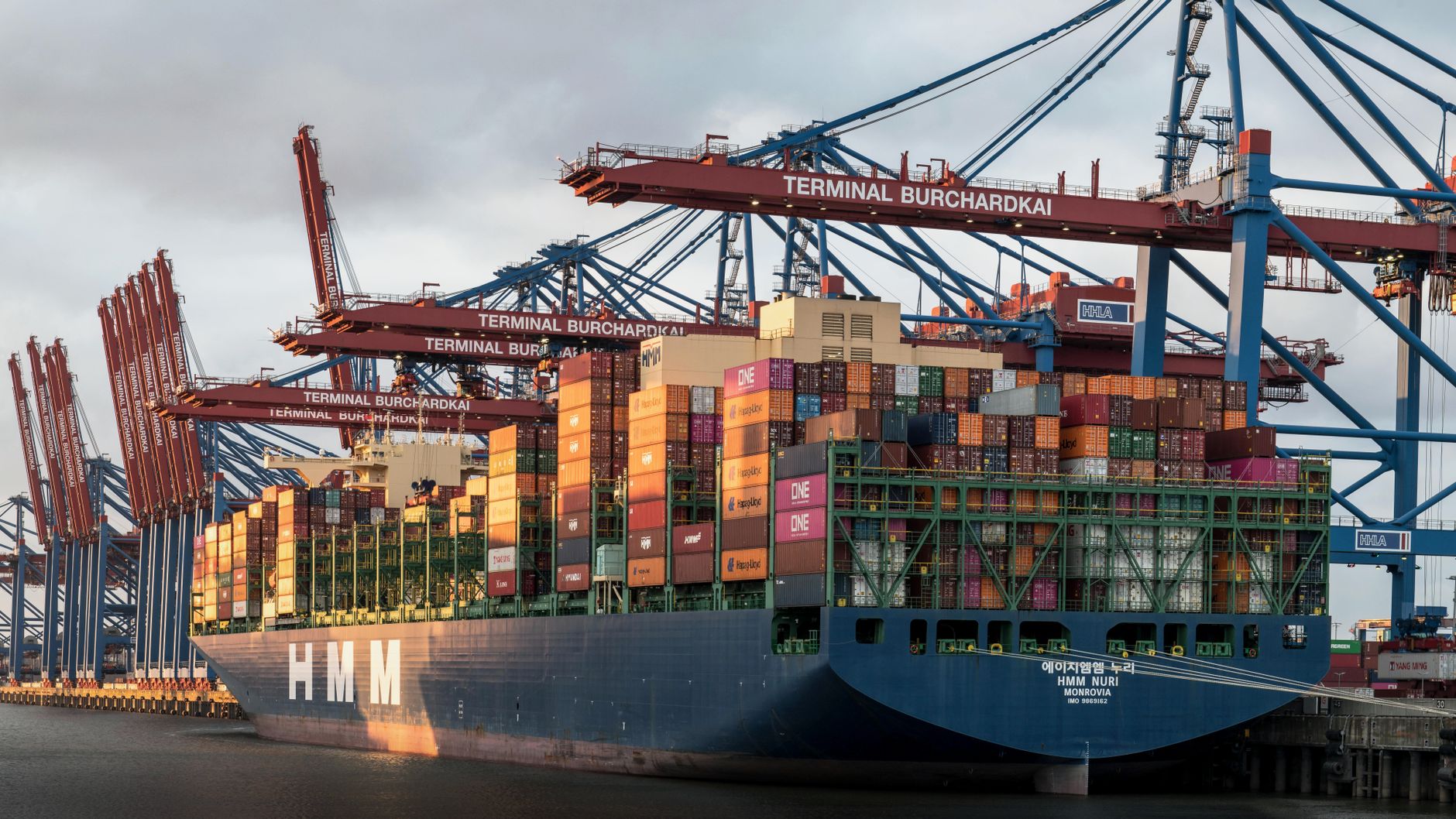
The flagged vessels range from massive container ships that move the bulk of global trade to smaller offshore supply vessels that service oil rigs. While the exact nature of each threat varies—some are simple phishing attempts, others are sophisticated attempts to hijack autopilot functions—the common denominator is a clear intent to disrupt maritime logistics and, in worst‑case scenarios, cause physical harm.
According to the U.S. officials involved, the tracking initiative is not a brand‑new program but rather an escalation of an already‑existing watchlist that has been quietly gathering data for the past two years. What’s new is the public acknowledgment and the integration of real‑time cyber‑threat intel into the broader maritime domain awareness framework that traditionally focused on piracy, smuggling, and geopolitical maneuvering.
Why This Matters
Maritime transport underpins more than 80 % of global trade by volume, meaning any disruption ripples through supply chains, commodity prices, and even national security calculations. Boston Herald notes that a successful cyber‑attack on a single vessel could delay shipments of critical goods—think medical supplies, food staples, or high‑tech components—by weeks, if not months.
Beyond the economic fallout, there’s a growing recognition that cyber‑vulnerabilities on ships can be weaponized in ways that blur the line between traditional warfare and criminal activity. A compromised navigation system could steer a vessel into a restricted zone, trigger environmental disasters, or even be used as a floating bomb platform. The stakes are high enough that governments, insurers, and ship owners are now treating cyber risk as a core element of operational safety.
Stakeholders across the industry are feeling the pressure. Ship operators are scrambling to retrofit older vessels with modern firewalls and intrusion‑detection systems, while classification societies are revising their standards to mandate regular cyber‑risk assessments. Insurers, too, are adjusting premiums based on a vessel’s cyber‑hardening posture, effectively turning cybersecurity into a market differentiator.
What It Means for the Industry
The U.S. tracking effort signals a paradigm shift: cyber threats will no longer be an afterthought in maritime risk management. Companies that have historically invested heavily in physical security—hull inspections, anti‑piracy measures, crew training—must now allocate comparable resources to digital defenses. This includes adopting zero‑trust network architectures, encrypting satellite communications, and conducting frequent penetration testing on shipboard IT systems.
Strategically, the data collected by the U.S. Navy could become a shared asset for the entire commercial fleet. If the intelligence is disseminated through existing maritime safety channels, operators could receive early warnings about emerging threat vectors, allowing them to patch vulnerabilities before an exploit is launched. This collaborative model mirrors the information‑sharing practices that have successfully reduced piracy off the Horn of Africa.
From a technology standpoint, the initiative is accelerating demand for specialized maritime cyber solutions. Vendors that can integrate legacy ship control systems with modern security platforms are seeing a surge in interest. Moreover, the rise of autonomous vessels—already being trialed on select routes—adds another layer of urgency, as fully unmanned ships are entirely dependent on robust, tamper‑proof software.
Finally, the involvement of the Times Call analysis underscores the broader regulatory implications. Times Call analysis suggests that lawmakers may soon draft legislation requiring mandatory cyber‑risk reporting for vessels above a certain tonnage, similar to existing environmental compliance rules. Such regulations would create a baseline of security hygiene across the industry, leveling the playing field and reducing the overall attack surface.
What Happens Next
Looking ahead, the U.S. is expected to expand its monitoring capabilities, potentially integrating data from commercial satellite operators and private cyber‑threat intel firms. Greeley Tribune says that the next phase will involve joint exercises with allied navies to simulate coordinated cyber‑attack scenarios on merchant vessels, testing both defensive responses and inter‑agency communication protocols.
For ship owners, the immediate takeaway is clear: conduct a comprehensive cyber‑audit, prioritize patching of critical systems, and invest in crew training that goes beyond phishing awareness to include incident response drills at sea. The maritime sector is at a crossroads where digital resilience will determine competitive advantage and, ultimately, survival in an increasingly hostile cyber landscape.
As the story unfolds, keep an eye on policy developments, technology rollouts, and the evolving threat intel that will shape the next chapter of maritime security. The seas may be ancient, but the battles being fought upon them are decidedly 21st‑century.


