
Imagine a single‑click solution that lets a mother in a food‑desert fill her WIC basket, schedule delivery, and have the items appear at her doorstep before the baby’s next feeding. That’s the promise of a bold new pilot launched by Umoja Health in partnership with the Joint Powers Marketing Association (JPMA). In a landscape where digital health solutions are accelerating, this initiative could rewrite the rulebook for how federal nutrition programs reach the families that need them most.
What's Going On
Umoja Health and JPMA have teamed up to create a seamless online shopping experience for participants in the Women, Infants, and Children (WIC) program, complete with home delivery of approved foods and formula. The pilot, which rolls out in select neighborhoods across the city, integrates the existing WIC benefits platform with a curated e‑commerce storefront, allowing users to browse, select, and pay for eligible items without stepping foot in a brick‑and‑mortar store. According to Umoja Health and JPMA Launch Innovative, the service leverages real‑time inventory data from participating retailers, ensuring that every product displayed is truly in stock and eligible for WIC reimbursement.
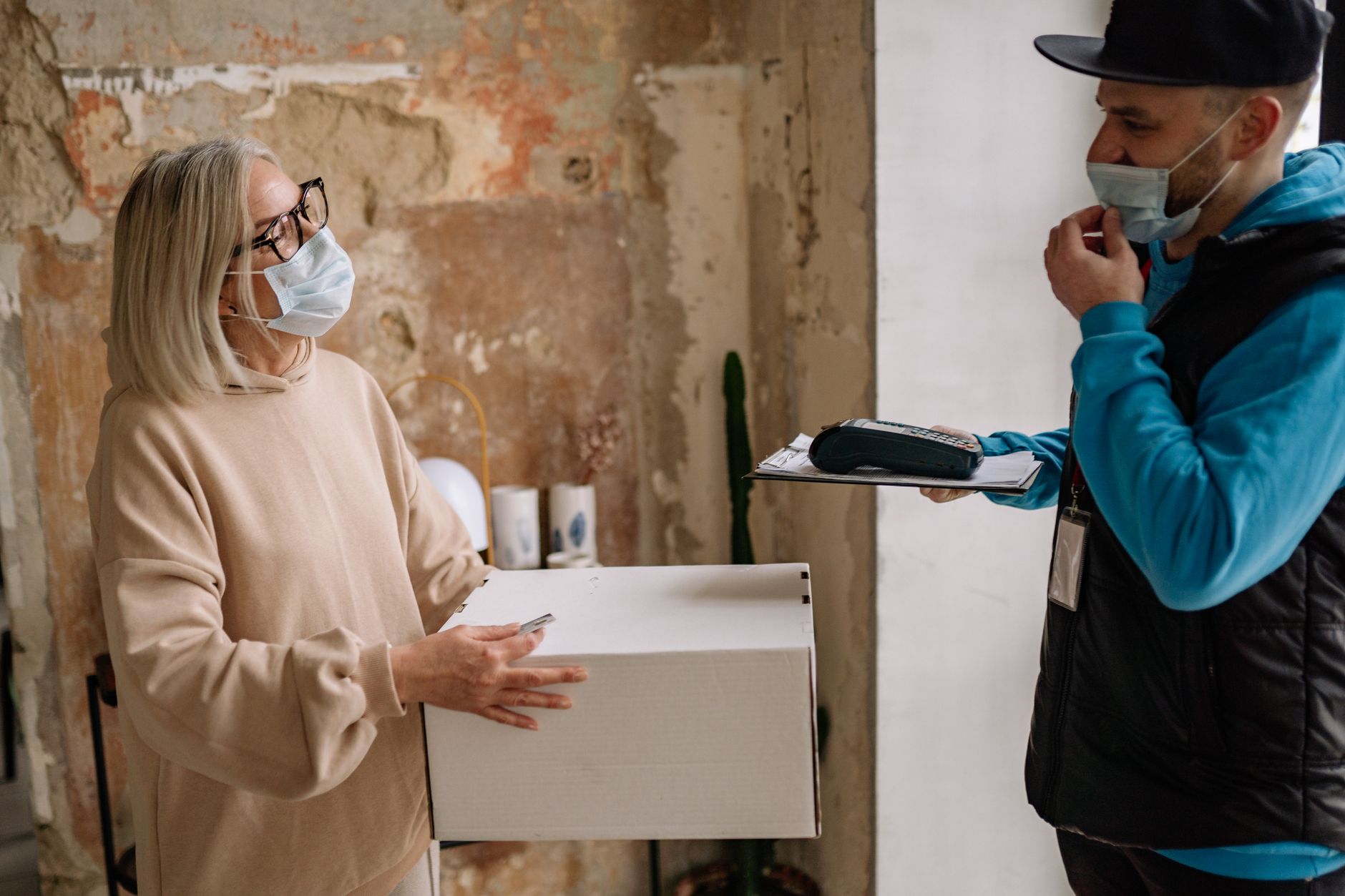
The pilot’s logistics backbone is built on a partnership with local couriers who specialize in temperature‑controlled deliveries, a critical factor for items like infant formula and perishable produce. Participants receive a digital voucher that automatically applies the appropriate WIC subsidy at checkout, eliminating the need for paper coupons or manual verification. The system also tracks usage patterns, providing valuable data to policymakers about which foods are most in demand and where supply chain bottlenecks may exist.
Beyond convenience, the program aims to address equity gaps that have long plagued the WIC system. Many eligible families live far from approved retailers or lack reliable transportation, forcing them to make multiple trips or settle for less nutritious alternatives. By moving the shopping experience online, the pilot hopes to reduce both time and cost burdens, while also expanding the range of foods that participants can access—especially fresh fruits, vegetables, and culturally relevant items that are often missing from traditional WIC shelves.
Why This Matters
The stakes are high. WIC serves over six million participants nationwide, yet enrollment and retention rates have plateaued in recent years, partly because the program’s delivery model has struggled to keep pace with modern consumer expectations. As Umoja Health and JPMA Launch Innovative notes, digital transformation is no longer a luxury but a necessity for public assistance programs that want to stay relevant and effective.
From an industry perspective, the pilot signals a shift toward integrated health‑tech ecosystems where benefits administration, retail, and logistics converge on a single platform. This could open doors for other social safety‑net programs—like SNAP or Medicaid—to adopt similar models, creating a ripple effect across the entire public assistance landscape. Moreover, the data generated by the pilot will provide unprecedented insight into consumer behavior, allowing nutritionists and policymakers to fine‑tune benefit allocations based on real‑world consumption trends.
Families stand to gain the most. Reduced travel time means more hours for work, school, or caregiving. The ability to compare products online can lead to healthier choices, especially when the platform highlights nutrition information and suggests alternatives that meet WIC criteria. For retailers, participation in the pilot offers a new revenue stream and a way to differentiate themselves as community‑focused businesses. In short, the initiative touches every stakeholder in the WIC ecosystem, promising a win‑win scenario if executed well.
What It Means for the Industry
For health‑tech startups and established players alike, the Umoja‑JPMA pilot serves as a proof‑of‑concept that complex government benefit programs can be digitized without compromising compliance. The technical architecture—built on secure APIs, real‑time eligibility checks, and encrypted payment processing—demonstrates that privacy and speed can coexist, a lesson that can be replicated in other domains such as telehealth reimbursements or prescription drug assistance.
Strategically, the pilot could accelerate partnerships between public agencies and private logistics firms, creating a new market segment focused on “benefit‑first” delivery. Companies that can guarantee cold‑chain integrity, rapid fulfillment, and seamless integration with state benefit systems may find themselves at the forefront of a burgeoning industry niche. Even larger retailers are watching closely; if the model proves scalable, they may invest in their own digital WIC platforms, potentially reshaping the competitive landscape of grocery e‑commerce.
On the policy side, the pilot offers a data‑driven argument for modernizing legacy systems that were originally designed for paper coupons and in‑store verification. Legislators could use the pilot’s outcomes to justify funding for broader digital infrastructure, ensuring that future generations of assistance programs are built on flexible, user‑centric foundations. In this way, a single pilot could catalyze a cascade of reforms that reverberate far beyond WIC.
And while the focus is on nutrition assistance, the underlying technology stack is adaptable. The same platform could be repurposed for other community health initiatives—think mobile clinics that schedule appointments online, or pharmacy benefit managers that deliver medications directly to homes. The possibilities are as expansive as the data insights that the pilot will generate. In fact, innovators are already eyeing the synergy between this pilot and other emerging tech trends, such as the use of AI to predict demand spikes for certain foods during holiday seasons.
Even the broader consumer electronics market feels the ripple. As the pilot showcases the power of integrated, user‑friendly interfaces for essential services, it reinforces the demand for devices that can seamlessly interact with health platforms. For instance, the recent launch of high‑resolution monitors like the Lenovo Unveils ThinkVision P27UL-40 IJP underscores how hardware advancements are enabling richer, more immersive digital experiences—whether for telehealth consultations or managing benefit accounts from a home office.
Lastly, the pilot’s success could inspire promotional collaborations that blend social good with commercial incentives. Retailers might offer limited‑time discounts on WIC‑eligible items, similar to how tech brands roll out exclusive deals—take the 10% off Geekom A5 2027 Edition mini PC campaign, which leverages targeted offers to drive engagement. Such cross‑promotions could further lower costs for families while boosting retailer footfall (or click‑through) in a win‑win scenario.
What Happens Next
The pilot is set to run for an initial six‑month period, during which participant feedback, delivery metrics, and cost analyses will be closely monitored. If the data shows improved enrollment, higher redemption rates, and positive health outcomes, policymakers plan to expand the program statewide, with the potential for federal adoption in the next fiscal cycle. For those eager to follow the rollout, the official statement outlines the criteria for additional community partners and the timeline for scaling.
Looking ahead, the collaboration could serve as a template for other benefit programs, encouraging a wave of digital pilots that prioritize convenience, equity, and data‑driven decision making. As technology continues to blur the lines between health, retail, and logistics, the Umoja‑JPMA initiative may well become a cornerstone case study for how public‑private partnerships can modernize essential services for the 21st‑century consumer.


