
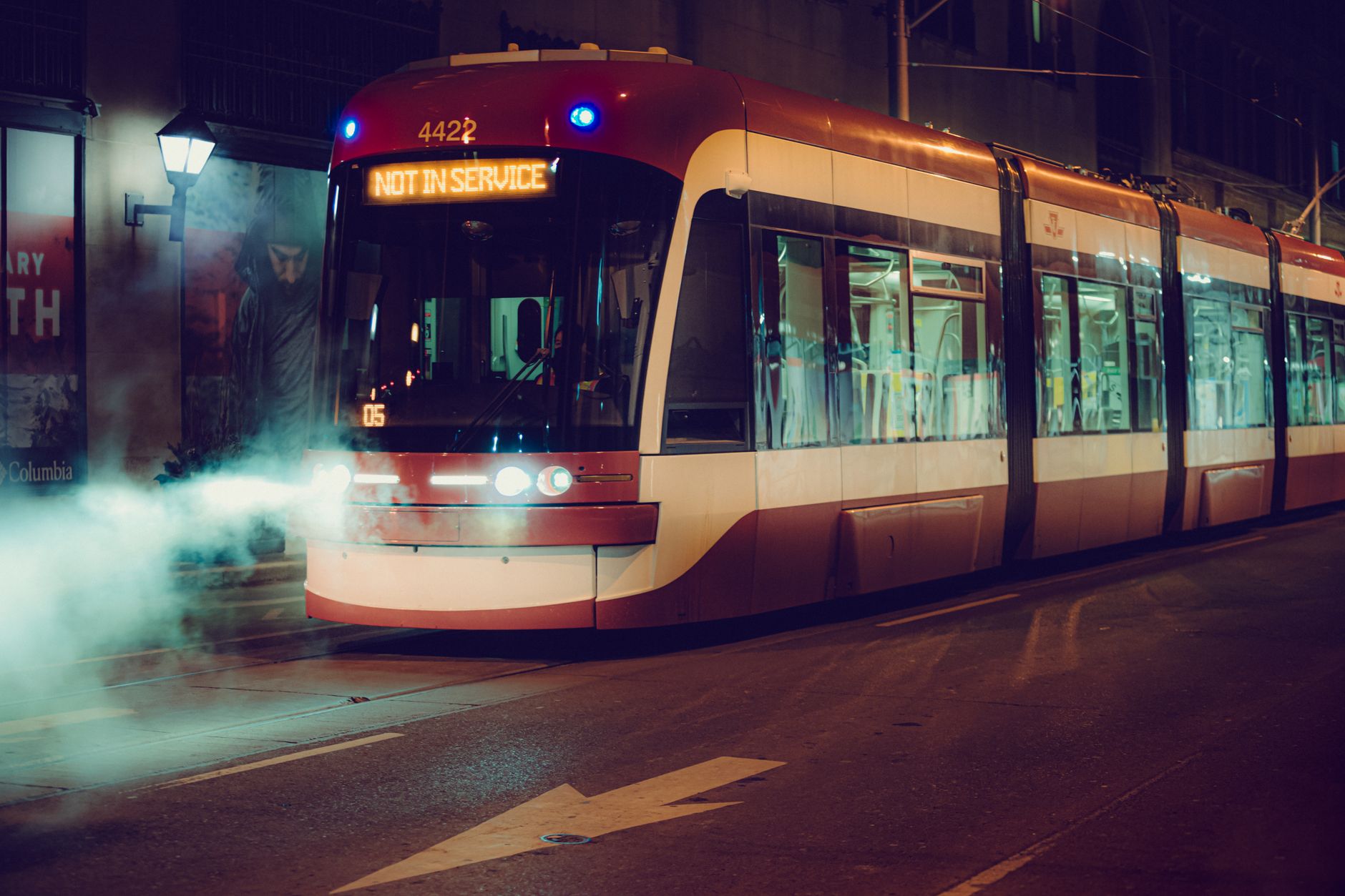
When the Toronto Transit Commission (TTC) first rolled out its electric buses, the city’s commuters imagined a cleaner, quieter, and more efficient future. Instead, they encountered a maze of charging delays, mechanical failures, and budget blowouts that left riders frustrated and the city’s reputation in tatters.
What's Going On
According to Yahoo News, the TTC’s electric bus rollout hit a series of snags that turned a promising green initiative into a logistical nightmare. The commission ordered 150 new Proterra buses in 2023, hoping to replace aging diesel fleets across the city. However, the buses arrived with critical software glitches, battery performance below expectations, and a charging infrastructure that could not keep pace with the fleet’s needs.
At the heart of the crisis is a mismatch between the TTC’s ambitious timeline and the realities of electric bus production. The manufacturer, Proterra, struggled to meet delivery deadlines due to supply chain disruptions—particularly shortages of high‑capacity lithium‑ion cells—and internal design changes that were rolled out mid‑production. As a result, many buses arrived incomplete, requiring extensive on‑site work before they could even be tested on rails.
Meanwhile, the TTC’s charging network, designed to support 150 buses, turned out to be under‑powered. The city had installed only 30 high‑voltage chargers, far below the 70+ required to keep the fleet running on schedule. This shortfall meant buses were often forced to spend long hours idle at depots, eroding the promised efficiency gains and inflating operational costs.
Why This Matters
The fallout from the TTC’s electric bus debacle is felt far beyond Toronto’s borders. Toronto Sun reports that the incident has rattled investors and city officials alike, prompting a reevaluation of green transit strategies across North America. Public confidence in municipal procurement processes has dipped, and the debate over whether to pursue electric buses or continue refining diesel technology has intensified.
Beyond the city’s immediate concerns, the situation underscores a broader industry challenge: scaling battery‑powered vehicles at the pace required for mass public transport. The TTC’s experience highlights the need for robust supply chains, reliable software integration, and infrastructure that can match fleet expansion. Without these elements, the environmental benefits of electric buses may be outweighed by operational inefficiencies and hidden costs.
Transit agencies worldwide are watching Toronto closely. The city’s struggles serve as a cautionary tale for any municipality that aims to electrify its fleet without fully understanding the complexities of battery technology, charging logistics, and the critical importance of a coordinated procurement strategy.
What It Means for the Industry
The TTC’s missteps are forcing industry leaders to confront the gap between the promise of electric mobility and its practical implementation. Bus manufacturers are now under pressure to streamline production, improve battery reliability, and provide comprehensive after‑sales support. Meanwhile, governments are reassessing funding models to ensure that capital investments in infrastructure keep pace with vehicle deployment.
One key implication is the growing emphasis on modular charging solutions. Rather than relying on a single, high‑power charger per depot, many agencies are exploring distributed charging arrays that can be scaled incrementally. This approach allows for more flexible deployment and reduces the risk of a single point of failure.
Another trend is the increased collaboration between battery manufacturers and transit operators. Partnerships that bring together expertise in battery chemistry, vehicle integration, and fleet management are becoming essential. For instance, the AM Batteries Partnered on $50M Award showcases how government funding can spur domestic battery production, reducing reliance on foreign supply chains and improving control over quality and delivery timelines.
From a regulatory standpoint, the TTC’s case may prompt stricter oversight of procurement contracts. Transparency in bidding, clearer performance metrics, and built‑in penalties for delayed delivery could become standard practice, ensuring that future projects are delivered on time and within budget.
What Happens Next
Looking ahead, the TTC is taking decisive steps to rectify the situation. The commission has paused further purchases of Proterra units and is engaging with alternative suppliers to diversify its options. In addition, it is investing in an expanded charging network, aiming to double the number of chargers within the next year.
According to Taipei Times editorial, the city’s experience is sparking a broader conversation about sustainable public transport, with policymakers calling for more rigorous testing protocols before large‑scale deployment. The editorial argues that the path to truly green transit requires not just new vehicles, but an entire ecosystem that supports them— from charging infrastructure to workforce training.
For commuters, the immediate future will involve a mix of diesel and electric buses as the TTC works to bring its fleet to operational parity. Riders can expect more reliable service once the new chargers are fully operational, though some delays may persist during the transition period. The city has also pledged to increase transparency by publishing weekly updates on fleet status and charging infrastructure progress.
Ultimately, the TTC’s electric bus saga offers a stark reminder that the transition to sustainable public transport is complex and fraught with logistical hurdles. Success hinges on coordinated planning, robust supply chains, and a willingness to adapt when plans go awry. As other cities look to emulate Toronto’s green ambitions, the lessons learned here will shape the future of electric transit worldwide.


