
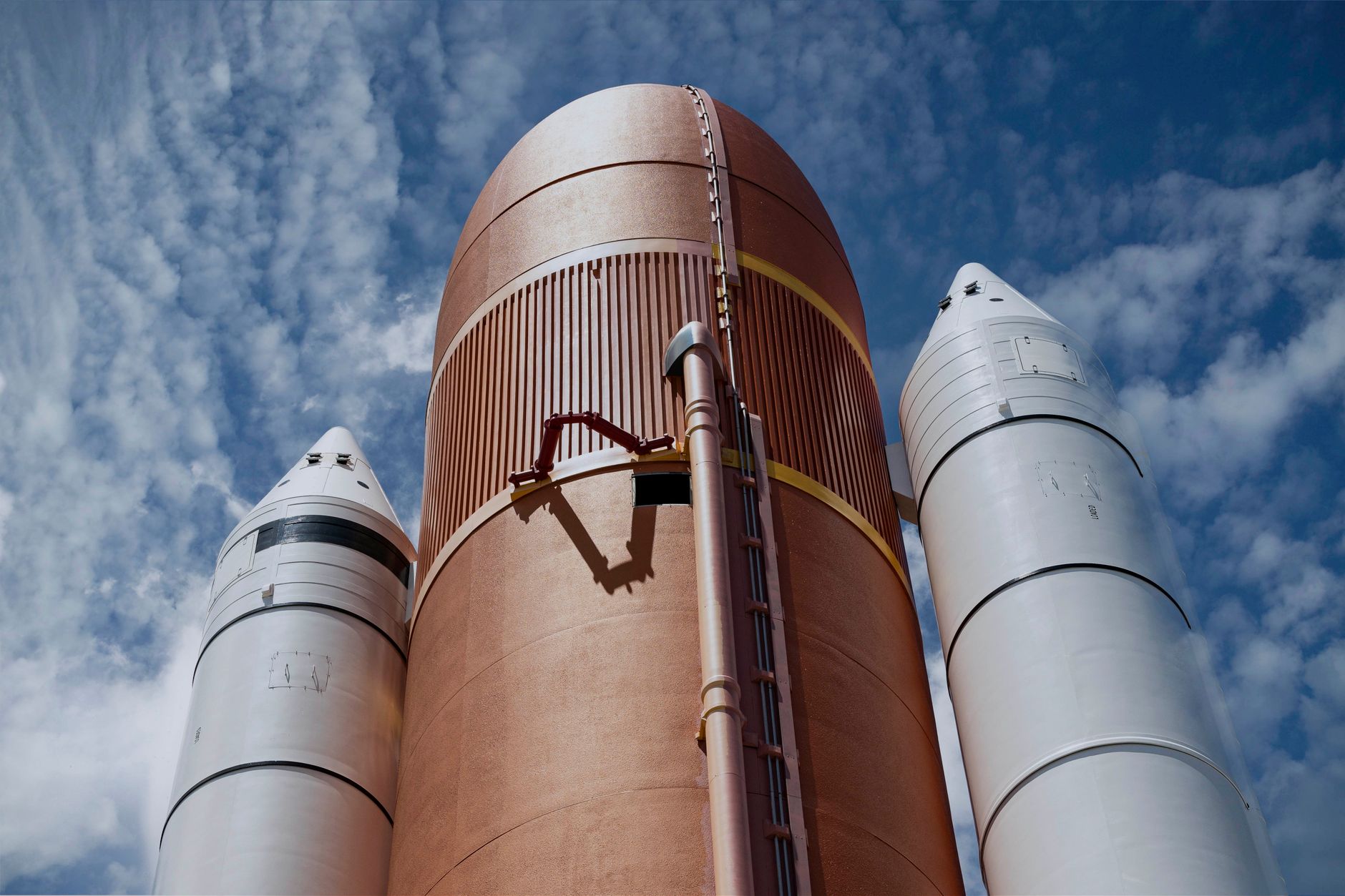
The space industry is on the cusp of a revolution, with a multitude of factors contributing to its rapid growth. According to Headtopics, the industry is expected to reach a value of $1.4 trillion by 2027, driven by the increasing demand for satellite services, the rise of private space companies, and the potential for space-based resources.
What's Going On
The space industry has undergone significant changes in recent years, with a shift from government-led initiatives to private sector-driven projects. This has led to increased investment, innovation, and collaboration, with companies like SpaceX and Blue Origin pushing the boundaries of space technology. Moreover, the growing demand for satellite services, such as communication and navigation, has created a lucrative market for space-based infrastructure.
One of the key drivers of the space industry's growth is the increasing demand for satellite services. Satellites are being used for a wide range of applications, including communication, navigation, weather forecasting, and Earth observation. The rise of small satellites, also known as cubesats, has made it easier and more affordable for companies and organizations to launch their own satellites. According to Headtopics, the small satellite market is expected to reach $2.5 billion by 2025.
Another factor contributing to the growth of the space industry is the rise of private space companies. Companies like SpaceX, Blue Origin, and Virgin Galactic are pushing the boundaries of space technology, with a focus on reusable rockets, space tourism, and lunar exploration. These companies are not only driving innovation but also creating new business opportunities and jobs. For example, SpaceX has partnered with NASA to launch astronauts to the International Space Station, while Blue Origin is developing a lunar lander for NASA's Artemis program.
Why This Matters
The growth of the space industry has significant implications for various industries and stakeholders. According to Rutland Herald, the space industry is expected to create new opportunities for companies in the fields of telecommunications, finance, and healthcare. The industry's growth also has the potential to address some of the world's most pressing challenges, such as climate change, poverty, and inequality.
However, the growth of the space industry also raises concerns about the potential risks and challenges. For example, the increasing number of satellites in orbit poses a risk to space debris and the potential for collisions. Moreover, the growing demand for satellite services has raised concerns about the potential for congestion and interference in orbital frequencies. To mitigate these risks, governments and industry stakeholders are working together to develop new regulations and standards for space activities.
What It Means for the Industry
The growth of the space industry has significant implications for the industry itself. According to DNR Online, the industry is expected to become more competitive, with new entrants and emerging players. This will require companies to be more agile, innovative, and adaptable in order to stay ahead of the competition. Moreover, the industry's growth is expected to lead to increased investment in research and development, with a focus on new technologies and applications.
The growth of the space industry also has implications for the workforce. According to Mankato Free Press, the industry is expected to create new job opportunities in fields such as engineering, manufacturing, and operations. However, the industry's growth also raises concerns about the potential for skills gaps and shortages, particularly in areas such as data analysis and cybersecurity.
What Happens Next
The future of the space industry is exciting and uncertain. According to Headtopics, the industry is expected to continue to grow and evolve, with new technologies and applications emerging. This will require companies to be more innovative, adaptable, and collaborative in order to stay ahead of the competition. Moreover, the industry's growth is expected to lead to increased investment in research and development, with a focus on new technologies and applications.
As the space industry continues to grow and evolve, it is essential for governments and industry stakeholders to work together to address the challenges and risks associated with space activities. This will require new regulations, standards, and partnerships to ensure the safe and sustainable development of the space industry.


