
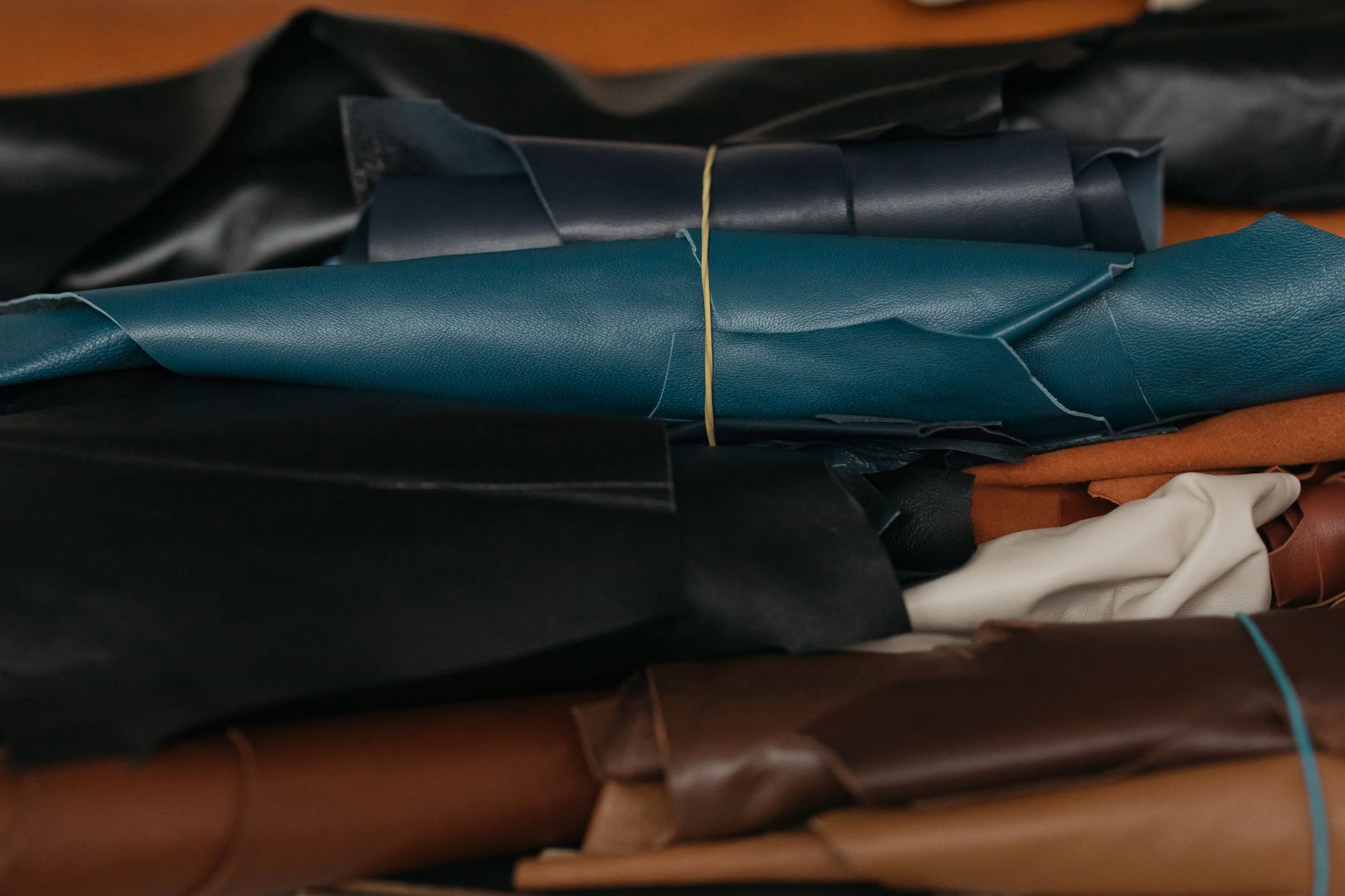
The Rise of Recycled Leather
The fashion industry has been on the cusp of a revolution, driven by an increasing demand for sustainable and eco-friendly materials. Among these, recycled leather has emerged as a game-changer, poised to transform the industry's approach to production and consumption. According to a recent report by DataHorizzon Research, the global recycled leather market is expected to reach USD 8.9 billion by 2033, growing at a staggering 10.1% CAGR.
The shift towards sustainable materials is largely driven by a growing awareness of the environmental and social impact of traditional leather production. The process of tanning and dyeing leather has long been associated with pollution, water waste, and harm to animal welfare. Recycled leather, on the other hand, offers a more environmentally friendly alternative, reducing waste and conserving natural resources.
Key players in the industry, such as Ecco Leather, Aquafil, Toray Industries, Vegea, and Bolt Threads, are already investing heavily in the development of recycled leather technologies. These companies are leveraging cutting-edge innovations, such as upcycling and biodegradable materials, to create high-quality leather alternatives that meet the demands of the fashion industry.
Why This Matters
The growth of the recycled leather market has significant implications for the fashion industry, from designers to consumers. As consumers become increasingly environmentally conscious, the demand for sustainable materials is driving innovation and change within the industry. Industry analysts note that the shift towards recycled leather is not only a response to consumer demand but also a strategic move to stay competitive in a rapidly changing market.
The impact of this trend extends beyond the fashion industry, influencing the broader supply chain and the lives of those involved in the production process. By promoting sustainable materials and practices, companies can improve working conditions, reduce waste, and create a more equitable and environmentally conscious supply chain.
The growth of the recycled leather market also presents opportunities for innovation and entrepreneurship, as new companies and startups emerge to meet the demand for sustainable materials. This trend has the potential to disrupt traditional business models and create new possibilities for growth and collaboration within the industry.
What It Means for the Industry
The rise of recycled leather has significant implications for the fashion industry, from design and production to marketing and consumer engagement. As companies invest in sustainable materials and practices, they must also adapt their marketing strategies to appeal to environmentally conscious consumers. This shift requires a deeper understanding of consumer behavior and values, as well as the development of new marketing channels and tactics that emphasize sustainability and social responsibility.
The growth of the recycled leather market also presents opportunities for collaboration and innovation within the industry. Companies can work together to develop new technologies, share best practices, and create standards for sustainable production and consumption. This trend has the potential to drive innovation and growth, while also promoting a more equitable and environmentally conscious industry.
The shift towards sustainable materials also requires a change in consumer behavior and attitudes towards fashion. As consumers become more aware of the environmental and social impact of their purchasing decisions, they must also be willing to adapt their expectations and behaviors to support sustainable practices. This shift requires a deeper understanding of consumer values and behaviors, as well as the development of new marketing channels and tactics that promote sustainability and social responsibility.
What Happens Next
The growth of the recycled leather market is expected to continue, driven by a growing demand for sustainable materials and practices. As the industry continues to evolve, we can expect to see new innovations, collaborations, and business models emerge to meet the demand for recycled leather. The full announcement from DataHorizzon Research provides a detailed analysis of the market and its future prospects. This trend has the potential to drive innovation and growth within the industry, while also promoting a more equitable and environmentally conscious supply chain.
The rise of recycled leather marks a significant shift in the fashion industry, driven by a growing demand for sustainable materials and practices. As companies continue to invest in innovative technologies and sustainable production methods, we can expect to see a more environmentally conscious industry emerge, with a focus on collaboration, innovation, and social responsibility. This trend has the potential to drive growth and innovation, while also promoting a more equitable and sustainable industry for all.


