
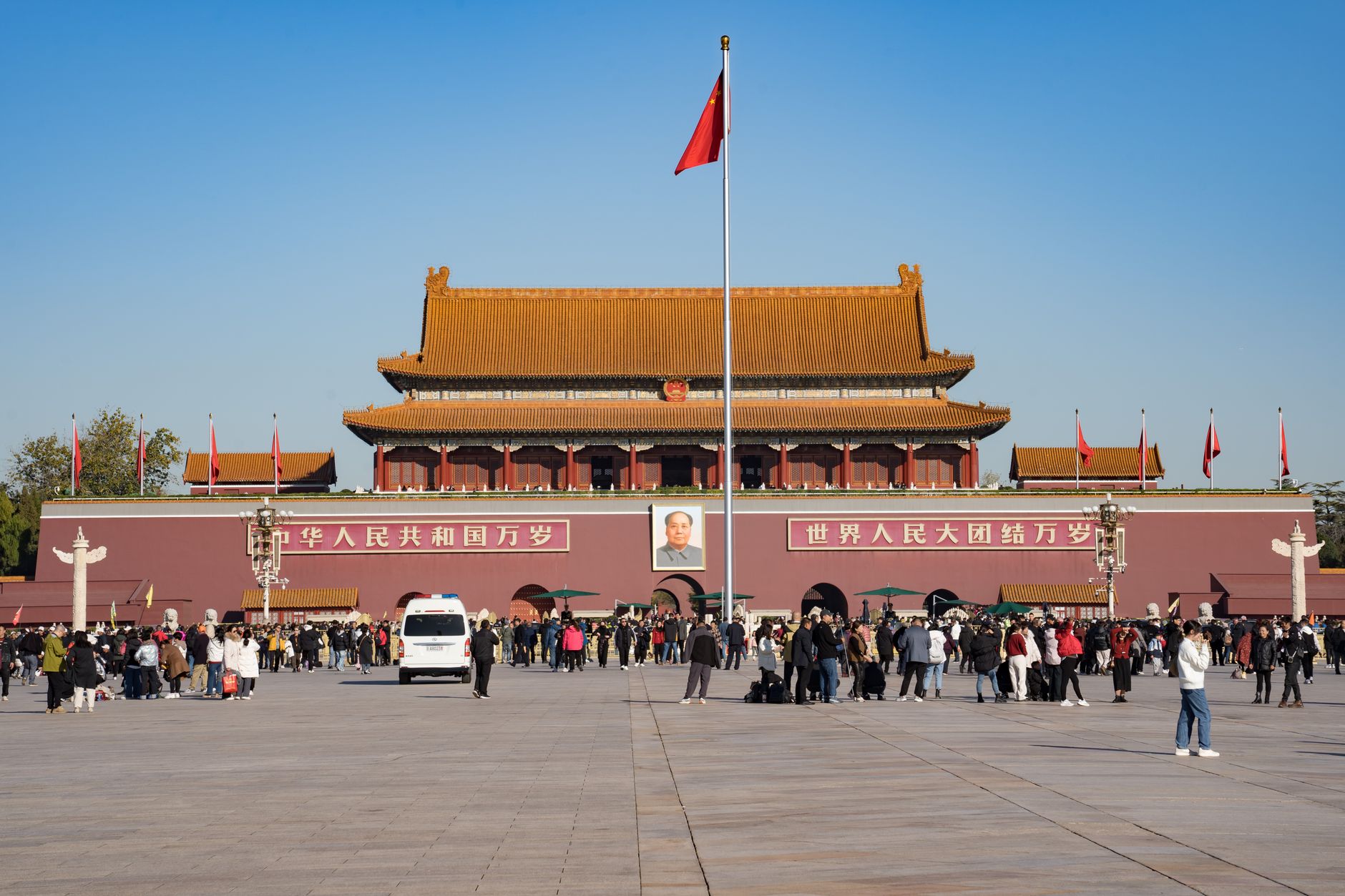
The world is on the cusp of a technological revolution, and China is at the forefront of this change. With a burgeoning tech industry and government-backed initiatives, China is rapidly emerging as a global leader in innovation. According to The Future, Made in China, this shift is driven by a combination of factors, including a highly skilled workforce, significant investments in research and development, and a strategic approach to technological advancements.
What's Going On
China's tech industry has experienced rapid growth in recent years, with the country becoming the world's largest producer of smartphones, laptops, and other electronic devices. This growth is fuelled by companies such as Huawei, Xiaomi, and Oppo, which have established themselves as major players in the global tech market. Additionally, Chinese startups are increasingly gaining traction, with companies like DJI and Byton making waves in the drone and electric vehicle sectors, respectively.
China's government has also played a significant role in driving innovation, with initiatives such as the Belt and Road Initiative (BRI) and the Made in China 2025 plan aimed at promoting technological advancements and increasing the country's global competitiveness. These initiatives have attracted significant investments from both domestic and international companies, further fueling China's tech growth.
Moreover, China's research and development (R&D) efforts have also contributed to its rise as a tech leader. According to a report by the National Bureau of Statistics of China, the country's R&D expenditure reached 2.14 trillion yuan (approximately $310 billion) in 2020, accounting for 2.25% of the country's GDP. This investment has led to breakthroughs in areas such as AI, robotics, and semiconductors, which are now being adopted by companies and industries worldwide.
Why This Matters
China's rise as a tech leader has significant implications for industries worldwide. According to Vietnam seeks stronger cooperation with US partner in semiconductors, biomedical technology, the global semiconductor industry is facing a shortage of high-quality chips, and China's advancements in this area are poised to fill this gap. This will not only benefit Chinese companies but also have a ripple effect on industries worldwide, from automotive to healthcare.
Furthermore, China's AI and robotics advancements are also transforming industries such as manufacturing, logistics, and transportation. According to a report by the International Federation of Robotics, China has the largest number of industrial robots in the world, with over 900,000 robots in use as of 2020. This trend is expected to continue, with more companies adopting AI and robotics to improve efficiency and productivity.
As a result, companies and industries worldwide will need to adapt to this new landscape, either by partnering with Chinese companies or developing their own AI and robotics capabilities. This will require significant investments in R&D and talent acquisition, as well as a willingness to adopt new technologies and business models.
What It Means for the Industry
The rise of China as a tech leader has significant implications for the global tech industry. According to I spent two hours with the Honor Robot Phone, and this ridiculous, remarkable device made me feel like a kid again, Chinese companies are now pushing the boundaries of innovation, with devices such as the Honor Robot Phone showcasing the country's capabilities in AI and robotics.
Moreover, China's advancements in areas such as semiconductors and AI are also expected to have a significant impact on the global tech industry. According to a report by the International Data Corporation (IDC), the global AI market is expected to reach $190 billion by 2025, with China accounting for a significant share of this growth. This will require companies to adapt to a new landscape, where AI and robotics are increasingly integrated into various industries and applications.
Finally, the rise of China as a tech leader also raises questions about the future of global trade and competition. According to a report by the World Trade Organization (WTO), China's share of global trade has increased significantly in recent years, with the country now accounting for over 15% of global trade. This has led to concerns about the potential for trade wars and protectionism, as well as the need for companies to adapt to a more complex global trade landscape.
What Happens Next
As China continues to rise as a tech leader, the global tech industry will need to adapt to this new landscape. According to Unreleased Anthropic AI Model Advances Riemann Hypothesis, the development of new AI technologies such as the Anthropic AI model is expected to further accelerate innovation and drive growth in various industries. This will require companies to invest in R&D, talent acquisition, and partnerships with Chinese companies to stay ahead of the curve.
Moreover, the rise of China as a tech leader also raises questions about the future of global innovation and competition. As the country continues to invest in R&D and talent acquisition, it is likely to become an increasingly important player in the global tech industry. This will require companies to adapt to a new landscape, where China is increasingly integrated into various industries and applications.
Finally, the rise of China as a tech leader also highlights the importance of international cooperation and collaboration. According to a report by the World Economic Forum (WEF), global collaboration and cooperation are essential for driving innovation and growth in various industries. This will require companies and governments to work together to address common challenges and opportunities, and to develop strategies for collaboration and cooperation in the face of increasing global competition.


