
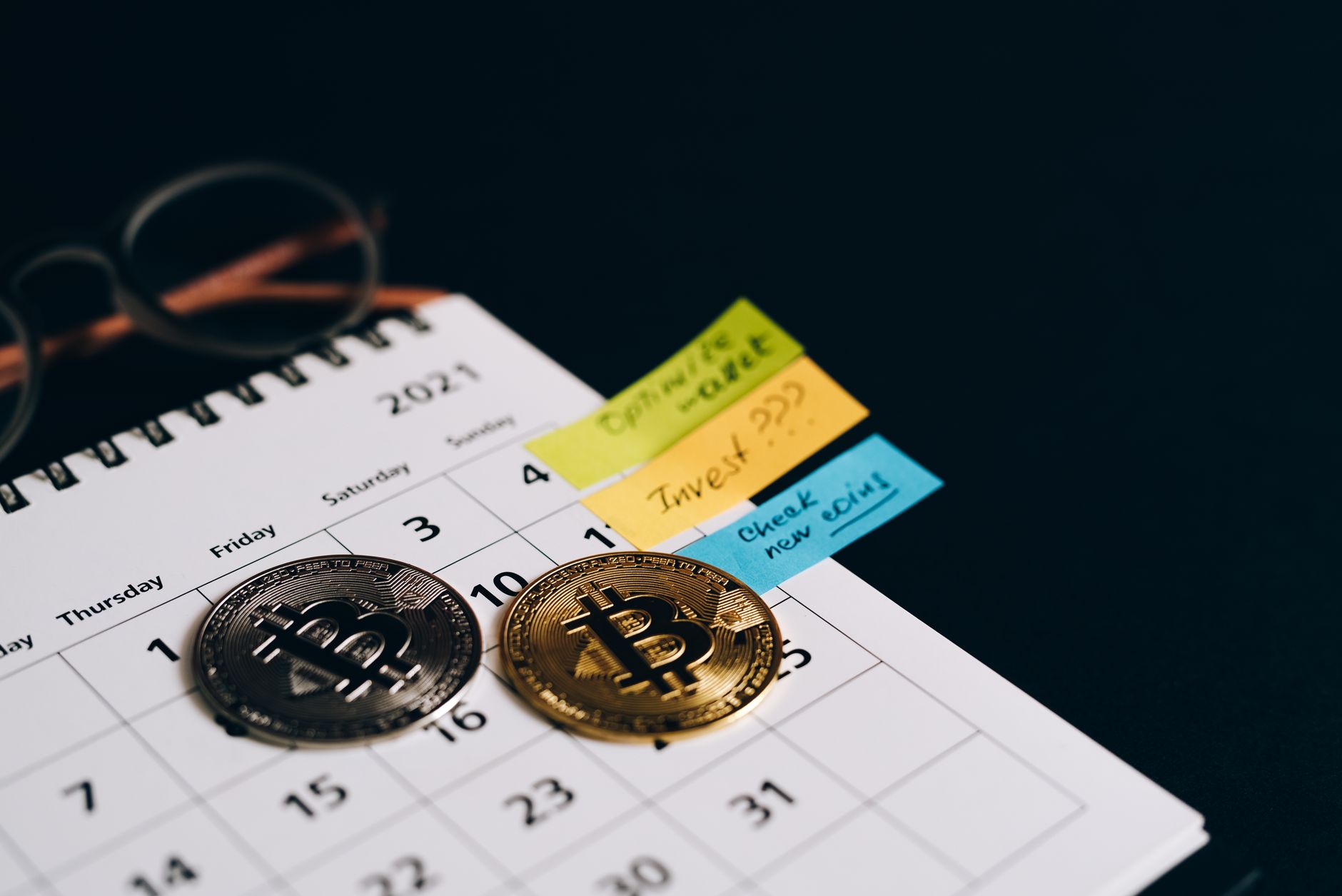
When Bitcoin first burst onto the scene in 2009, most people thought of it as a quirky experiment for cryptographers and libertarians. Fast forward a decade, and the same digital asset class now fuels a multibillion‑dollar industry where institutional investors sit side‑by‑side with retail day‑traders, hedge funds, and AI‑powered bots. The journey from “buy and hold” to data‑driven portfolio engineering reads like a tech thriller, complete with wild price spikes, regulatory curveballs, and a relentless push toward automation. In this post, we’ll trace that evolution, unpack why each shift mattered, and glimpse what the next chapter might look like for anyone with a stake in crypto.
What's Going On
The early days of crypto investment were dominated by a simple mantra: buy Bitcoin, hold forever, and hope for a moonshot. This “HODL” mindset was less about sophisticated analysis and more about community belief, speculative optimism, and a dash of rebellion against traditional finance. As the market matured, newcomers introduced new assets—Ethereum, Ripple, Litecoin—each promising unique utility and, of course, fresh profit opportunities. To understand the full arc of this transformation, you can dive into The Evolution of Cryptocurrency Investme, which maps out the milestones from the first ICO frenzy to today’s algorithmic trading ecosystems.
One of the first major inflection points came with the rise of Initial Coin Offerings (ICOs) in 2017. Suddenly, investors weren’t just buying a single token; they were funding entire ecosystems, betting on the success of decentralized applications (dApps) before they even launched. This period sparked a wave of “tokenomics” analysis, where investors began to dissect supply schedules, distribution models, and utility functions. The hype was intoxicating, but the bubble burst in 2018, wiping out billions and teaching the market a hard lesson about due diligence.
DeFi (Decentralized Finance) entered the stage in 2020, redefining what “investment” could mean on a blockchain. Yield farming, liquidity mining, and automated market makers (AMMs) turned every token into a potential income stream. Investors now had to consider not only price appreciation but also impermanent loss, smart‑contract risk, and platform security. The complexity of these strategies demanded a new breed of analyst—someone comfortable with both finance and code.
Why This Matters
The shift from speculative holding to active, data‑rich strategies has rippled across the entire financial ecosystem. Traditional asset managers, once skeptical of crypto’s volatility, now allocate significant capital to crypto funds that employ quantitative models, risk‑adjusted metrics, and even machine‑learning predictions. This institutional entry has brought regulatory scrutiny, compliance frameworks, and a demand for transparency that were previously absent. As industry observers note, 8 biggest things we learned from Apple’s recent product announcements echo the same themes of ecosystem integration and user‑centric design—principles now mirrored in crypto platforms striving for mainstream adoption.
Beyond capital inflows, the evolution of investment strategies has democratized access to sophisticated tools. Retail traders can now plug into algorithmic bots, copy‑trade services, and portfolio trackers that were once the exclusive domain of hedge funds. This democratization reduces entry barriers but also raises the stakes for education: investors must now grasp concepts like gas fees, slippage, and cross‑chain bridges to avoid costly mistakes.
Who feels the impact the most? The answer spans a wide spectrum: individual enthusiasts who once bought a single Bitcoin for fun, venture capital firms scouting the next DeFi unicorn, and even governments grappling with taxation and anti‑money‑laundering (AML) policies. The convergence of these forces is reshaping how value is created, transferred, and regulated on a global scale.
What It Means for the Industry
The current landscape is a tapestry woven from three interlocking threads: advanced analytics, regulatory evolution, and cross‑chain interoperability. On the analytics front, firms are deploying AI models that ingest on‑chain data, social sentiment, and macroeconomic indicators to forecast price movements with increasing accuracy. These models can execute trades in milliseconds, capitalizing on arbitrage opportunities across dozens of exchanges. The result is a market that reacts faster than ever, compressing profit windows and demanding ever‑more efficient strategies.
Regulation, once a vague cloud on the horizon, is now a concrete set of guidelines in many jurisdictions. The rise of stablecoins, for example, has prompted central banks to issue digital currencies (CBDCs) and to set capital requirements for crypto custodians. This regulatory clarity, while adding compliance costs, also legitimizes crypto as an asset class, encouraging pension funds and sovereign wealth funds to dip their toes in.
Interoperability is another game‑changer. Projects that enable seamless asset movement across blockchains—think of bridges that connect Ethereum, Solana, and the emerging TRON ecosystem—are unlocking new arbitrage and liquidity strategies. A recent development highlighted by Ethena Brings USDe and sUSDe to TRON, Ex demonstrates how stablecoin ecosystems are expanding, offering investors more options for low‑volatility yields while still participating in the broader crypto market.
Amid these shifts, thought leaders continue to debate the role of prominent tech investors in shaping crypto’s future. For instance, discussions around strategic investments in South America have surfaced, with some analysts pointing to high‑growth markets and favorable regulatory climates. While the specifics remain speculative, the conversation underscores how macro‑level decisions can influence the direction of investment strategies on the ground. What does Peter Thiel want in Argentina? offers a glimpse into the kind of geopolitical considerations that may soon intersect with crypto portfolio construction.
What Happens Next
Looking ahead, the next wave of innovation is likely to be driven by AI‑augmented risk management and the rise of decentralized autonomous organizations (DAOs) that govern investment funds. Imagine a DAO where token holders vote on algorithmic parameters, automatically adjusting exposure based on real‑time risk metrics. Such structures could blur the line between traditional fund management and community‑driven finance, offering unprecedented transparency and agility.
Another frontier is the integration of real‑world assets onto blockchain—think tokenized real estate, commodities, or even intellectual property. As these tokenized assets gain regulatory approval, they will broaden the spectrum of investable opportunities, allowing crypto portfolios to diversify beyond purely digital tokens while still benefiting from blockchain’s efficiency.
Finally, the continued expansion of cross‑chain bridges and layer‑2 scaling solutions promises to reduce transaction costs and latency, making high‑frequency strategies more accessible to a wider audience. As these technologies mature, we can expect a convergence where retail investors, institutional players, and decentralized protocols all operate on a level playing field, guided by data, governed by code, and empowered by community.


