
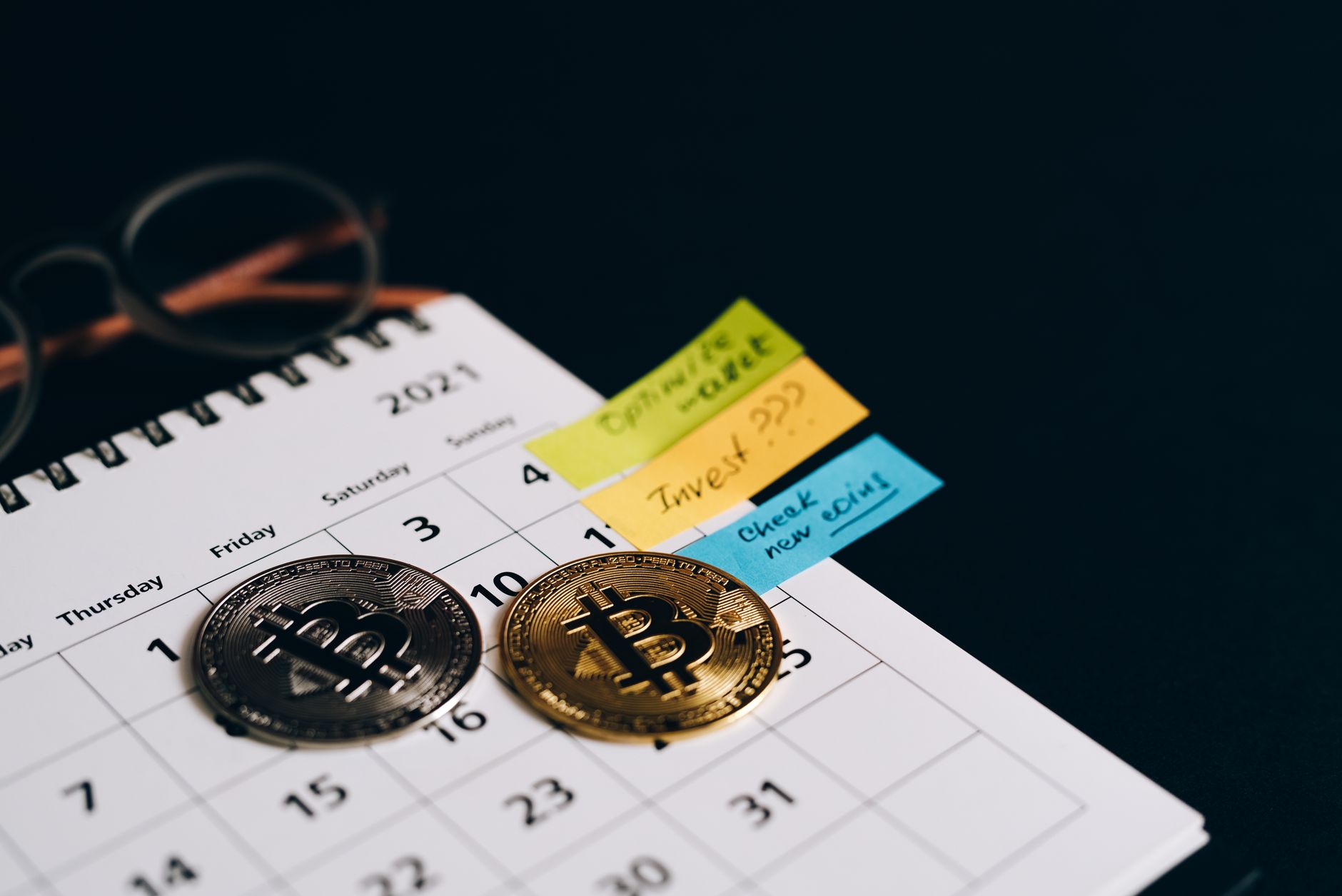
When Bitcoin first broke the $1,000 barrier, most investors were still figuring out how to type a wallet address without breaking a sweat. Fast forward to today, and the same market that once seemed like a wild west of meme tokens now boasts institutional-grade risk models, algorithmic trading bots, and cross‑chain yield farms. The journey from “buy and hold” to a nuanced ecosystem of strategies mirrors the maturation of the entire crypto space. In this deep dive, we’ll trace that evolution, unpack the forces driving change, and spotlight the tools that savvy investors now wield to stay ahead of the curve.
What's Going On
The early days of crypto investment were dominated by pure speculation, with traders often relying on gut feelings and social media hype. As the market grew, analysts began to apply traditional finance concepts, creating the first wave of structured approaches. According to The Evolution of Cryptocurrency Investme, the shift started when data providers began aggregating on‑chain metrics, enabling investors to move beyond price charts and into the realm of network health, transaction volume, and developer activity.
That data-driven mindset gave rise to “fundamental crypto analysis,” a practice that mirrors equity research but focuses on protocol utility, tokenomics, and community governance. Simultaneously, the rise of decentralized exchanges (DEXs) introduced liquidity provision as a viable income stream, turning passive holders into active market makers. Yield farming, staking, and liquidity mining added layers of complexity, rewarding participants for locking assets into smart contracts while exposing them to smart‑contract risk and impermanent loss.
Beyond individual tactics, the industry witnessed the emergence of crypto‑focused hedge funds and family offices. These entities brought professional risk management, diversification, and compliance frameworks that were previously absent. Multi‑asset strategies now blend Bitcoin, Ethereum, layer‑2 solutions, and even non‑fungible tokens (NFTs) to capture correlated and uncorrelated returns. The landscape has become a sophisticated playground where quantitative models, on‑chain analytics, and macro‑economic insights intersect.
Why This Matters
Understanding these strategic shifts is crucial for anyone who wants to navigate the volatile yet rewarding crypto market responsibly. As the sector matures, regulators are paying closer attention, and institutional capital is flowing in at unprecedented rates. In the context of broader tech trends, 8 biggest things we learned from Apple’s 2026 event highlighted how mainstream tech giants are now integrating blockchain services into their ecosystems, signaling a validation that could accelerate adoption and tighten compliance standards.
This institutional interest brings both stability and scrutiny. On one hand, larger players bring deeper liquidity, better price discovery, and more robust custodial solutions. On the other, they demand transparency, auditability, and clear governance—pressures that push the entire market toward higher standards. For retail investors, the implication is a double‑edged sword: more opportunities to earn, but also higher expectations for due diligence.
Moreover, the strategic evolution reshapes who benefits from crypto’s growth. Early adopters who simply bought and held have seen their wealth multiplied, but newer participants who employ sophisticated hedging, algorithmic trading, or token‑staking strategies can achieve more consistent returns while mitigating downside risk. The democratization of advanced tools—many of which are now available as open‑source platforms—means that even small‑scale investors can access techniques once reserved for Wall Street.
What It Means for the Industry
The ripple effects are evident across the entire blockchain ecosystem. Protocol developers are designing token models that incentivize long‑term staking rather than short‑term speculation, aligning economic incentives with network security. Meanwhile, data analytics firms are racing to provide real‑time on‑chain intelligence, fueling the rise of “crypto quant funds” that leverage machine learning to predict market moves. Even the media landscape is shifting; outlets that once treated crypto as a novelty now dedicate entire research desks to it.
Strategically, firms are adopting multi‑layered portfolios that balance high‑risk, high‑reward assets like emerging DeFi tokens with lower‑volatility holdings such as Bitcoin or stablecoins. This approach mirrors traditional asset allocation, but with a twist: the ability to earn yield on otherwise idle assets through staking or liquidity provision. As a result, the concept of “cash” in a crypto portfolio is evolving into “earning cash,” where idle capital is continuously put to work.
In this context, the insights from What does Peter Thiel want in Argentina? illustrate how visionary investors are eyeing emerging markets for crypto infrastructure, recognizing that regulatory arbitrage and untapped user bases can fuel the next wave of growth. Their strategic moves underscore a broader industry trend: the search for fertile ground where blockchain adoption can leapfrog traditional finance.
What Happens Next
Looking ahead, the convergence of traditional finance and decentralized finance (DeFi) will likely produce hybrid investment products that blend the safety of regulated assets with the yield potential of crypto protocols. Recent announcements, such as Ethena’s expansion of USDe and sUSDe to the TRON network, showcase how stablecoin ecosystems are becoming more interoperable, offering investors seamless cross‑chain access to digital dollars. For the full details, see Ethena Brings USDe and sUSDe to TRON, Ex.
As the market continues to innovate, we can expect more sophisticated risk‑adjusted performance metrics, greater integration of AI‑driven analytics, and tighter collaboration between regulators and industry participants. The next frontier may involve tokenized real‑world assets, where investors can gain exposure to everything from real estate to commodities through blockchain‑backed securities. For anyone watching the crypto space, staying informed about these evolving strategies isn’t just optional—it’s essential for capital preservation and growth.
In the end, the evolution of cryptocurrency investment strategies reflects a broader narrative: a once‑nascent technology gaining legitimacy, sophistication, and mainstream relevance. Whether you’re a seasoned trader, a curious newcomer, or an institutional decision‑maker, understanding this trajectory equips you to make smarter, more resilient choices in a market that shows no signs of slowing down.


