
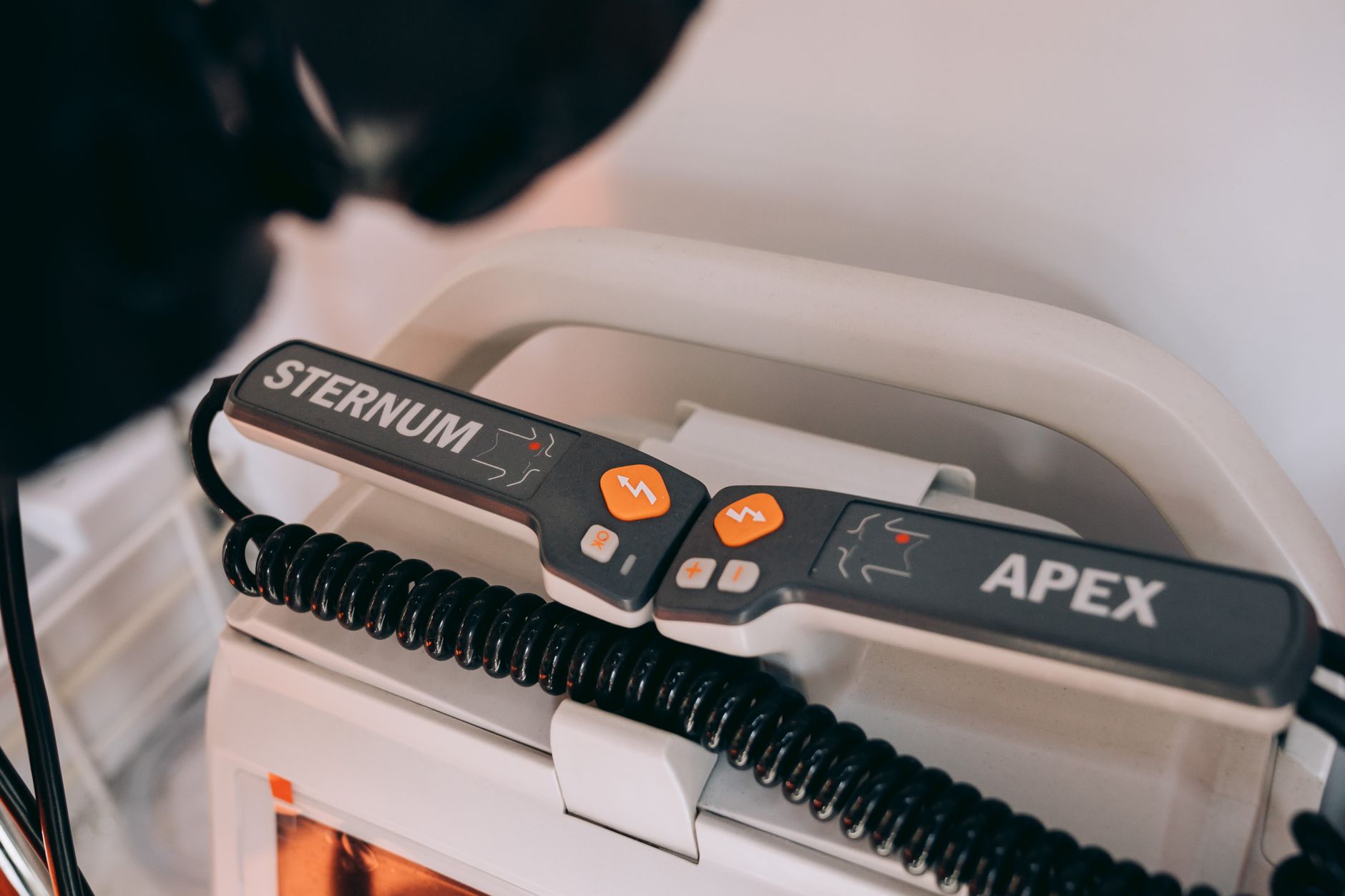
Imagine a world where a computer can read an electrocardiogram, flag a subtle arrhythmia, and recommend a treatment plan faster than a seasoned cardiologist—without ever taking a coffee break. That world is inching closer, thanks to a bold partnership between Tempus, a leader in precision medicine, and the U.S. Department of Health and Human Services’ new agency, ARPA‑H. The agency’s ADVOCATE program just awarded Tempus up to $9.5 million to build the first fully autonomous AI platform for cardiology, a move that could redefine how heart disease is detected, monitored, and managed.
What's Going On
Tempus Secures Up to $9.5 Million in ARPA‑H ADVOCATE Funding to Deploy First Autonomous AI in CardiologyTempus Secures Up to $9.5 Million in ARPA‑H ADVOCATE Funding to Deploy First Autonomous AI in Cardiology is the headline that has captured the attention of health‑tech investors, clinicians, and policy makers alike. The announcement follows a series of successful pilots in oncology and genomics, where Tempus’s AI-driven workflows have already demonstrated improved diagnostic accuracy and reduced turnaround times.
The new grant is part of ARPA‑H’s broader strategy to accelerate “autonomous” solutions that can operate with minimal human oversight. By funding a cardiology platform, the agency signals that heart disease—responsible for nearly 1 in 4 U.S. deaths—remains a top priority for AI-driven innovation. Tempus’s plan is to develop an end‑to‑end system that ingests raw ECG data, applies deep learning models to detect a spectrum of cardiac anomalies, and automatically generates actionable reports for clinicians.
In addition to the technical challenges, the project will tackle regulatory hurdles, data privacy concerns, and the need for robust clinical validation. Tempus will collaborate with major academic medical centers to test the platform in real‑world settings, gathering evidence that the AI’s recommendations match or surpass the performance of seasoned cardiologists. The ultimate goal: a tool that can be deployed in community hospitals, remote clinics, and even patient‑owned wearables, democratizing access to high‑quality cardiac care.
Why This Matters
Industry analysts note that the integration of autonomous AI into cardiology could reduce diagnostic errors by up to 30% and cut the time needed to interpret complex ECGs from minutes to seconds. The Battery Industry's New Survival Threshold Is Here highlights how similar AI breakthroughs have already begun to reshape other high‑stakes sectors, and cardiology is poised to follow suit.
Beyond the obvious clinical benefits, this initiative could also have a seismic impact on health economics. Faster, more accurate diagnoses mean fewer unnecessary hospital admissions, reduced reliance on invasive procedures, and a lower overall cost burden for payers. For patients, the promise is a future where a routine ECG taken at a pharmacy or at home can instantly flag a potentially life‑threatening arrhythmia, prompting immediate medical attention.
However, the deployment of autonomous AI also raises questions about liability, data security, and workforce displacement. Who is responsible if an AI system misclassifies a critical condition? How will clinicians adapt to a tool that can, in theory, make a diagnosis faster than they can? These are the debates that will shape the next wave of healthcare regulation.
What It Means for the Industry
For AI developers, Tempus’s initiative is a signal that large‑scale, regulatory‑ready deployments are not just theoretical. The company’s approach—leveraging vast, curated datasets and partnering with leading clinical institutions—sets a new benchmark for AI validation in medicine. The project’s success could spur a wave of similar initiatives across specialties, from radiology to pathology.
AT&T at Goldman Sachs conference: fiber push drives growth planAT&T at Goldman Sachs conference: fiber push drives growth plan illustrates how infrastructure investments are often the unseen backbone of tech breakthroughs. In the same vein, the availability of high‑speed, low‑latency data pipelines will be essential for real‑time AI inference in cardiology, especially in emergency settings where milliseconds can save lives.
From a commercial perspective, the grant opens a new revenue stream for Tempus. By licensing its autonomous platform to hospitals, health systems, and even consumer health companies, the company could transform its business model from a data‑analytics provider to a full‑stack medical device vendor. This shift could attract a new class of investors looking for high‑margin, regulated tech products.
What Happens Next
The next phase of the project will involve a multi‑center clinical trial, a collaboration that will bring together cardiologists, data scientists, and regulatory experts. The full announcementthe full announcement outlines a 24‑month timeline, with interim milestones for model training, validation, and regulatory submission to the FDA.
Parallel to the clinical trial, Tempus is working on a user‑interface that will present AI findings in a clinician‑friendly format, complete with confidence scores and suggested next steps. This human‑centric design philosophy aims to build trust and facilitate adoption, addressing one of the biggest barriers to AI integration in healthcare.
Looking ahead, if the platform proves successful, the next logical step will be to expand its scope beyond arrhythmias. By integrating imaging data, lab results, and genomic information, the AI could offer a holistic cardiac risk profile, guiding preventive strategies and personalized treatment plans.
In closing, the $9.5 million ARPA‑H grant is more than a financial boost; it’s a catalyst that could accelerate the transition from reactive to proactive cardiac care. As Tempus pushes the boundaries of what autonomous AI can achieve, clinicians, patients, and payers alike stand to benefit from faster, more accurate, and more cost‑effective heart disease management. The future of cardiology may very well be driven by algorithms—if we’re ready to embrace that change.


