
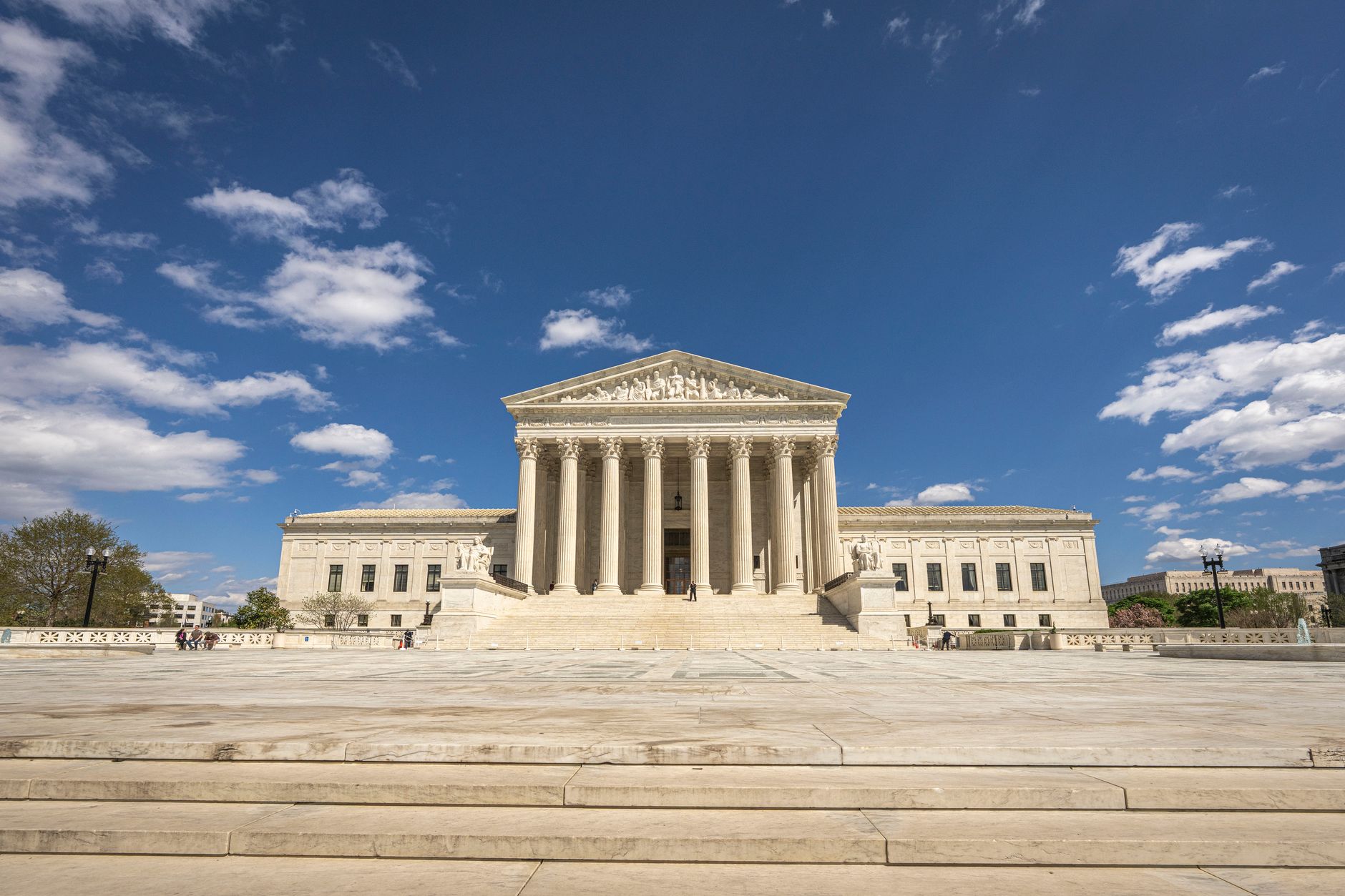
Supreme Court Implements Online Hearings and Work-From-Home Policy Amid Fuel Conservation Efforts
The Supreme Court of India has made a groundbreaking decision to implement online hearings and a work-from-home policy for its employees. According to The CSR Journal, this move is aimed at reducing the court's carbon footprint and promoting fuel conservation efforts in the country. The decision is a significant step towards a more sustainable future, and it is expected to have a positive impact on the environment.
The Supreme Court's decision to go online and reduce its carbon footprint is a response to the growing concerns about climate change and environmental conservation. With the increasing number of vehicles on the road and the rising levels of air pollution, the court has decided to take proactive measures to reduce its impact on the environment. By implementing online hearings, the court aims to reduce the number of people commuting to the court, thereby reducing the amount of fuel consumed and the resulting emissions.
Additionally, the court has also decided to adopt a work-from-home policy for its employees. This move is expected to reduce the number of people commuting to the court and will also help to reduce the court's energy consumption. The court has taken this decision to promote a more sustainable and environmentally friendly work culture, which will not only benefit the environment but also improve the work-life balance of its employees.
Why This Matters
The Supreme Court's decision to implement online hearings and a work-from-home policy is a significant development in the country's environmental conservation efforts. According to industry analysts, this move is expected to have a positive impact on the environment and will also serve as a model for other institutions to follow. The court's decision to go online and adopt a work-from-home policy is a proactive step towards reducing its carbon footprint and promoting sustainability.
In addition to the environmental benefits, the court's decision is also expected to have a positive impact on the nation's economy. By reducing the number of people commuting to the court, the decision will help to reduce traffic congestion and decrease the number of vehicles on the road. This, in turn, will help to reduce the country's fuel consumption and resulting emissions. The court's decision is expected to have a ripple effect on the nation's economy, and it will serve as a model for other institutions to follow.
The Supreme Court's decision to implement online hearings and a work-from-home policy is a significant step towards promoting sustainability and environmental conservation. The decision will not only benefit the environment but also improve the work-life balance of the court's employees. As the nation continues to grapple with the challenges of climate change and environmental conservation, the court's decision is a welcome development and will serve as a model for other institutions to follow.
What It Means for the Industry
The Supreme Court's decision to implement online hearings and a work-from-home policy is a significant development in the country's environmental conservation efforts. According to experts, this move is expected to have a positive impact on the environment and will also serve as a model for other institutions to follow. The court's decision to go online and adopt a work-from-home policy is a proactive step towards reducing its carbon footprint and promoting sustainability.
In addition to the environmental benefits, the court's decision is also expected to have a positive impact on the nation's economy. By reducing the number of people commuting to the court, the decision will help to reduce traffic congestion and decrease the number of vehicles on the road. This, in turn, will help to reduce the country's fuel consumption and resulting emissions. The court's decision is expected to have a ripple effect on the nation's economy, and it will serve as a model for other institutions to follow.
The Supreme Court's decision to implement online hearings and a work-from-home policy is a significant step towards promoting sustainability and environmental conservation. The decision will not only benefit the environment but also improve the work-life balance of the court's employees. As the nation continues to grapple with the challenges of climate change and environmental conservation, the court's decision is a welcome development and will serve as a model for other institutions to follow.
What Happens Next
The Supreme Court's decision to implement online hearings and a work-from-home policy is a significant development in the country's environmental conservation efforts. According to the full announcement, the court will continue to monitor its progress and make adjustments as needed. The court's decision to go online and adopt a work-from-home policy is a proactive step towards reducing its carbon footprint and promoting sustainability.
In addition to the environmental benefits, the court's decision is also expected to have a positive impact on the nation's economy. By reducing the number of people commuting to the court, the decision will help to reduce traffic congestion and decrease the number of vehicles on the road. This, in turn, will help to reduce the country's fuel consumption and resulting emissions. The court's decision is expected to have a ripple effect on the nation's economy, and it will serve as a model for other institutions to follow.
The Supreme Court's decision to implement online hearings and a work-from-home policy is a significant step towards promoting sustainability and environmental conservation. The decision will not only benefit the environment but also improve the work-life balance of the court's employees. As the nation continues to grapple with the challenges of climate change and environmental conservation, the court's decision is a welcome development and will serve as a model for other institutions to follow.
Conclusion
The Supreme Court's decision to implement online hearings and a work-from-home policy is a significant development in the country's environmental conservation efforts. The decision is a proactive step towards reducing the court's carbon footprint and promoting sustainability. The court's decision will not only benefit the environment but also improve the work-life balance of its employees. As the nation continues to grapple with the challenges of climate change and environmental conservation, the court's decision is a welcome development and will serve as a model for other institutions to follow.
In conclusion, the Supreme Court's decision to implement online hearings and a work-from-home policy is a significant step towards promoting sustainability and environmental conservation. The decision will have a positive impact on the environment and will also serve as a model for other institutions to follow.
The court's decision is a testament to the nation's commitment to environmental conservation and sustainability. The decision will serve as a model for other institutions to follow, and it will have a positive impact on the nation's economy and environment. As the nation continues to grapple with the challenges of climate change and environmental conservation, the court's decision is a welcome development and will serve as a model for other institutions to follow.
Implications for Other Institutions
The Supreme Court's decision to implement online hearings and a work-from-home policy has significant implications for other institutions. According to an in-depth examination of industry trends, the decision will serve as a model for other institutions to follow. The court's decision to go online and adopt a work-from-home policy is a proactive step towards reducing its carbon footprint and promoting sustainability.
In addition to the environmental benefits, the court's decision is also expected to have a positive impact on the nation's economy. By reducing the number of people commuting to the court, the decision will help to reduce traffic congestion and decrease the number of vehicles on the road. This, in turn, will help to reduce the country's fuel consumption and resulting emissions. The court's decision is expected to have a ripple effect on the nation's economy, and it will serve as a model for other institutions to follow.
The Supreme Court's decision to implement online hearings and a work-from-home policy is a significant step towards promoting sustainability and environmental conservation. The decision will not only benefit the environment but also improve the work-life balance of the court's employees. As the nation continues to grapple with the challenges of climate change and environmental conservation, the court's decision is a welcome development and will serve as a model for other institutions to follow.


