
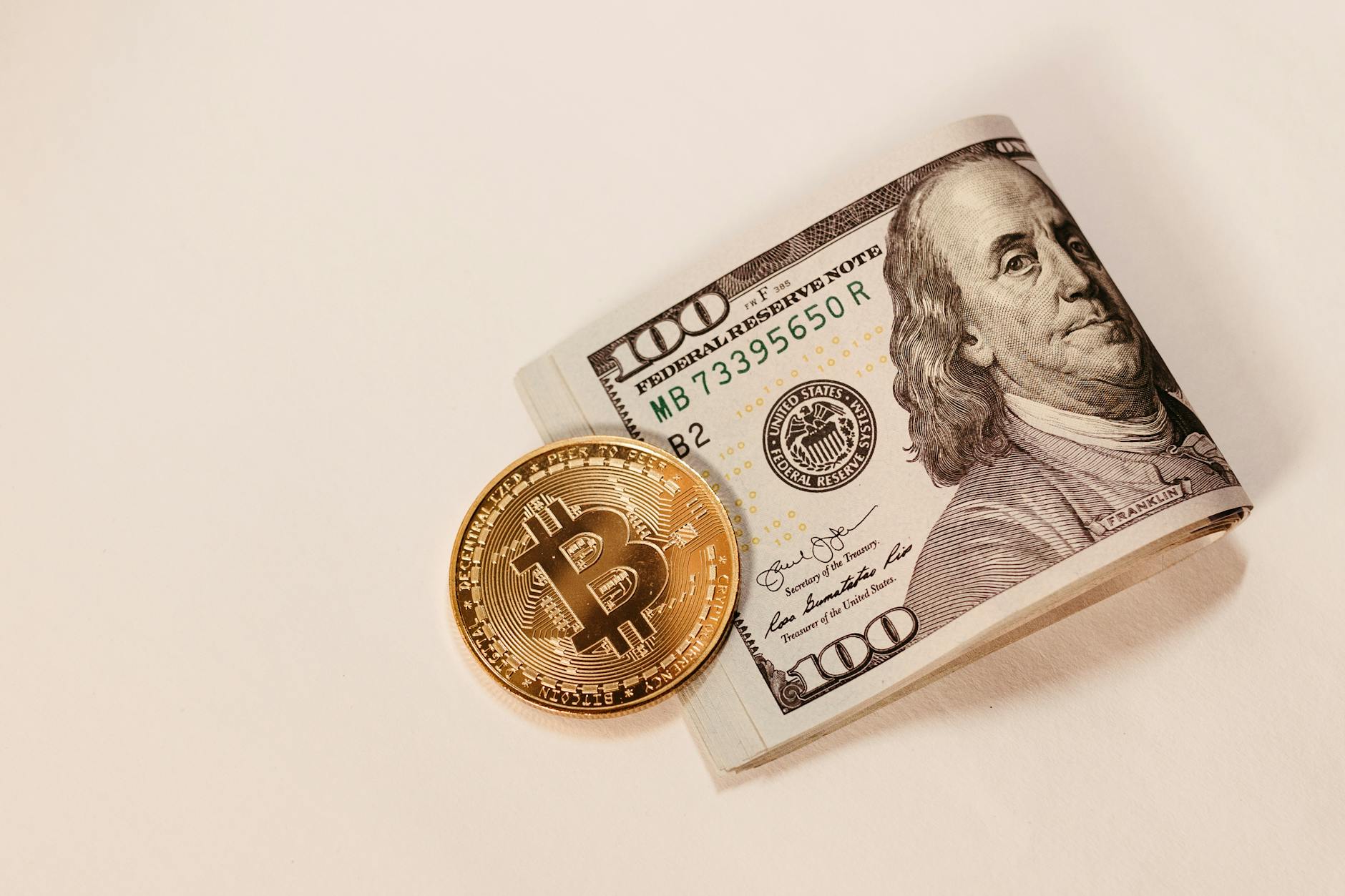
Imagine you’re sitting at your kitchen table, scrolling through the latest market news, and you notice that the price of Bitcoin has just dipped by a few percent. You think, “I could buy a few coins with the spare cash I have.” In 2026, that spare cash could be as little as $100, and the world of crypto is more welcoming than ever to newcomers. The digital asset landscape has matured, with better tools, lower fees, and a growing ecosystem that supports small investors. If you’ve been curious about dipping your toes into this space but feel overwhelmed by the sheer number of choices, you’re not alone. The good news? With a strategic approach, even a modest $100 can be your first step toward building a diversified crypto portfolio.
What's Going On
In 2026, the crypto market continues to expand beyond speculative trading into real-world applications like decentralized finance (DeFi), non‑fungible tokens (NFTs), and tokenized real estate. How to Start Buying Crypto with USD 100 outlines how new investors can navigate the current landscape, highlighting the most user‑friendly platforms and the importance of understanding transaction costs. The article also emphasizes the role of custodial versus non‑custodial wallets, a key decision for anyone looking to retain full control over their assets.
Beyond the basics of buying, the market now offers a variety of investment vehicles tailored for different risk appetites. Tokenized securities, for instance, allow you to own fractions of high‑value assets like art or real estate, while stablecoins provide a hedge against volatility. The regulatory environment has also evolved, with clearer guidelines in major jurisdictions, giving investors confidence that their holdings are protected under law.
To truly benefit from a $100 investment, you need to understand the mechanics of the transaction. This includes choosing the right exchange, setting up two‑factor authentication, and knowing how to use limit orders to avoid slippage. It also means recognizing that the crypto space is still highly volatile, and that a single purchase is just the beginning of a long learning journey.
Why This Matters
The surge in retail participation has shifted the dynamics of the crypto market. Global Exchanges Ranked by Derivatives Trading demonstrates that exchanges with robust derivatives offerings are attracting more institutional money, which in turn stabilizes prices and increases liquidity. This trend benefits small investors by providing more reliable price discovery and reducing the impact of market manipulation.
In a broader sense, the democratization of crypto is reshaping how people think about money. Traditional banking systems often impose high fees and slow transaction times, especially for cross‑border transfers. Cryptocurrencies offer an alternative that is faster, cheaper, and accessible to anyone with an internet connection. As more people adopt crypto, the ecosystem expands, creating new opportunities for innovation and entrepreneurship.
For the average individual, the implications are significant. Whether you’re a student, a freelancer, or someone looking to diversify retirement savings, crypto offers a new asset class that can complement traditional investments. The key is to start small, learn the nuances, and gradually build a portfolio that aligns with your financial goals and risk tolerance.
What It Means for the Industry
From a technical perspective, the rise of small‑cap investors has pushed platforms to improve their user experience. Modern exchanges now feature intuitive dashboards, educational resources, and automated savings plans that allow you to buy crypto on a recurring basis. This shift is partly driven by the need to retain younger demographics who prefer digital-first services. The inclusion of Cardano Foundation Launches Mesmo Native Library reflects the growing emphasis on interoperability and developer-friendly tools, which in turn encourages more projects to launch on these networks, thereby increasing token liquidity.
Furthermore, the industry is witnessing a convergence of traditional finance and blockchain. Asset management firms are now offering crypto funds, and insurance companies are beginning to cover digital assets. This convergence lends credibility to the space and attracts a wider range of investors, from retail to institutional.
Strategically, the focus on security and compliance is paramount. As more users enter the market, the risk of hacks and fraud increases. Exchanges are investing heavily in security protocols, such as multi‑signature wallets and cold storage solutions, to protect user funds. Regulatory bodies are also stepping up their scrutiny, ensuring that exchanges adhere to anti‑money‑laundering (AML) and know‑your‑customer (KYC) standards. These developments create a safer environment for newcomers, fostering confidence and long‑term growth.
What Happens Next
Looking ahead, the crypto landscape is poised for further innovation. The OpenZeppelin Integrates with TRON to Bring Its Security Standard to the Network announcement signals a major step toward standardizing security practices across multiple blockchains, making it easier for developers to build secure applications. This integration will likely reduce the incidence of smart contract vulnerabilities, which has been a major concern for investors.
In addition, we can expect more collaboration between crypto platforms and traditional financial institutions. Partnerships that allow seamless fiat‑to‑crypto conversions will lower the barrier to entry even further. As regulatory clarity improves, we may see the emergence of regulated crypto exchanges that offer the same level of trust and security as established banks.
For new investors, the takeaway is that the path to crypto ownership is becoming increasingly straightforward. With the right tools, a clear understanding of risk, and a willingness to stay informed, a $100 investment can be the first step toward a diversified digital portfolio. Keep an eye on regulatory developments, technological advancements, and market trends, and you’ll be well‑positioned to capitalize on the opportunities that 2026 and beyond have to offer.


