
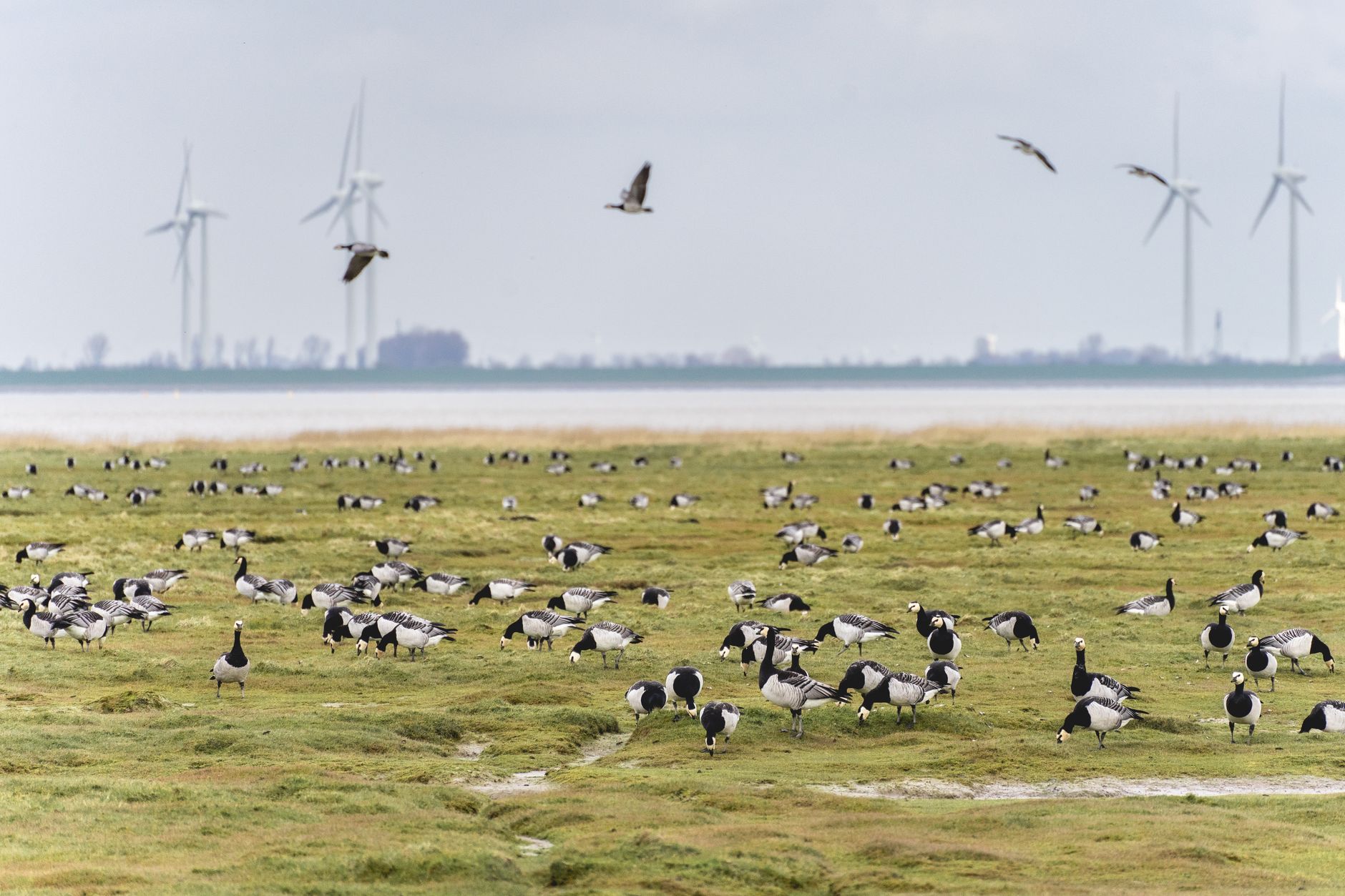
As the world shifts towards renewable energy sources, wind farms have become increasingly crucial in meeting our energy demands. However, with great power comes great responsibility, and one of the biggest concerns surrounding wind farms is their impact on local wildlife. Recent studies have shown that AI monitoring systems are changing the way we approach this issue, revealing some surprising insights about bird behavior.
What's Going On
According to a recent report by TechRadar, Spoor's AI monitoring system has been instrumental in redefining the way wind farms assess and mitigate wildlife risks. The system uses advanced machine learning algorithms to analyze data from sensors and cameras, providing a more accurate picture of bird behavior around wind turbines.
Traditionally, wind farms relied on generic prediction models to estimate the risk of bird strikes. However, these models often failed to account for the complex and dynamic behavior of birds. The AI monitoring system, on the other hand, has revealed that birds avoid turbines far more than previously predicted, often by as much as 30-40%. This has significant implications for the wind industry, as it means that many of the safety measures currently in place may be unnecessary.
The AI monitoring system has also provided valuable insights into the behavior of different bird species. For example, it has been found that some species are more attracted to certain types of turbines, while others tend to avoid them altogether. This information can be used to develop more targeted and effective safety measures, reducing the risk of bird strikes while also minimizing the impact on the environment.
Why This Matters
Industry analysts note that the integration of AI monitoring systems in wind farms has the potential to revolutionize the industry. By providing a more accurate picture of wildlife risks, wind farms can make more informed decisions about their operations and reduce their environmental impact. This, in turn, can help to build public trust and support for the wind industry. According to industry experts, the use of AI in wind farms is just the beginning, and we can expect to see even more innovative applications in the future.
The implications of this technology extend far beyond the wind industry, however. As AI becomes increasingly integrated into our daily lives, we can expect to see similar applications in other fields, from healthcare to finance. The key to success will be the ability to collect and analyze large amounts of data, using machine learning algorithms to identify patterns and make predictions.
The impact of this technology will be felt by everyone from bird enthusiasts to policymakers, as we work to balance the needs of human society with the needs of the environment. By harnessing the power of AI, we can create a more sustainable and responsible future for all.
What It Means for the Industry
The integration of AI monitoring systems in wind farms is just the beginning of a new era of innovation and collaboration. As the industry continues to evolve, we can expect to see even more exciting applications of technology, from advanced weather forecasting to predictive maintenance. The key to success will be the ability to work together, sharing knowledge and expertise to create a more sustainable and responsible industry.
The strategic impact of this technology will be significant, as wind farms are forced to rethink their approach to wildlife risk assessment. By providing a more accurate picture of bird behavior, AI monitoring systems can help to reduce the risk of bird strikes while also minimizing the impact on the environment. This, in turn, can help to build public trust and support for the wind industry.
The implications of this technology will be felt for years to come, as the wind industry continues to evolve and adapt to changing circumstances. By harnessing the power of AI, we can create a more sustainable and responsible future for all, one that balances the needs of human society with the needs of the environment.
What Happens Next
The full announcement of Spoor's AI monitoring system has sent shockwaves through the wind industry, with many experts hailing it as a game-changer. As the technology continues to evolve, we can expect to see even more innovative applications in the future. According to a recent report, the use of AI in wind farms is just the beginning, and we can expect to see similar applications in other fields, from healthcare to finance.
The outlook for the industry is bright, as wind farms continue to innovate and adapt to changing circumstances. By harnessing the power of AI, we can create a more sustainable and responsible future for all, one that balances the needs of human society with the needs of the environment.
The impact of this technology will be felt for years to come, as the wind industry continues to evolve and adapt to changing circumstances. By working together, sharing knowledge and expertise, we can create a more sustainable and responsible industry, one that is better equipped to meet the challenges of the future.
What's Next for AI in Wind Farms
As the wind industry continues to evolve, we can expect to see even more exciting applications of technology. From advanced weather forecasting to predictive maintenance, the possibilities are endless. According to industry experts, the use of AI in wind farms is just the beginning, and we can expect to see similar applications in other fields, from healthcare to finance.
The future of the wind industry is bright, as we work together to create a more sustainable and responsible future for all. By harnessing the power of AI, we can reduce the risk of bird strikes while also minimizing the impact on the environment. This, in turn, can help to build public trust and support for the wind industry.
The impact of this technology will be felt for years to come, as the wind industry continues to evolve and adapt to changing circumstances. By working together, sharing knowledge and expertise, we can create a more sustainable and responsible industry, one that is better equipped to meet the challenges of the future.


