
What's Going On
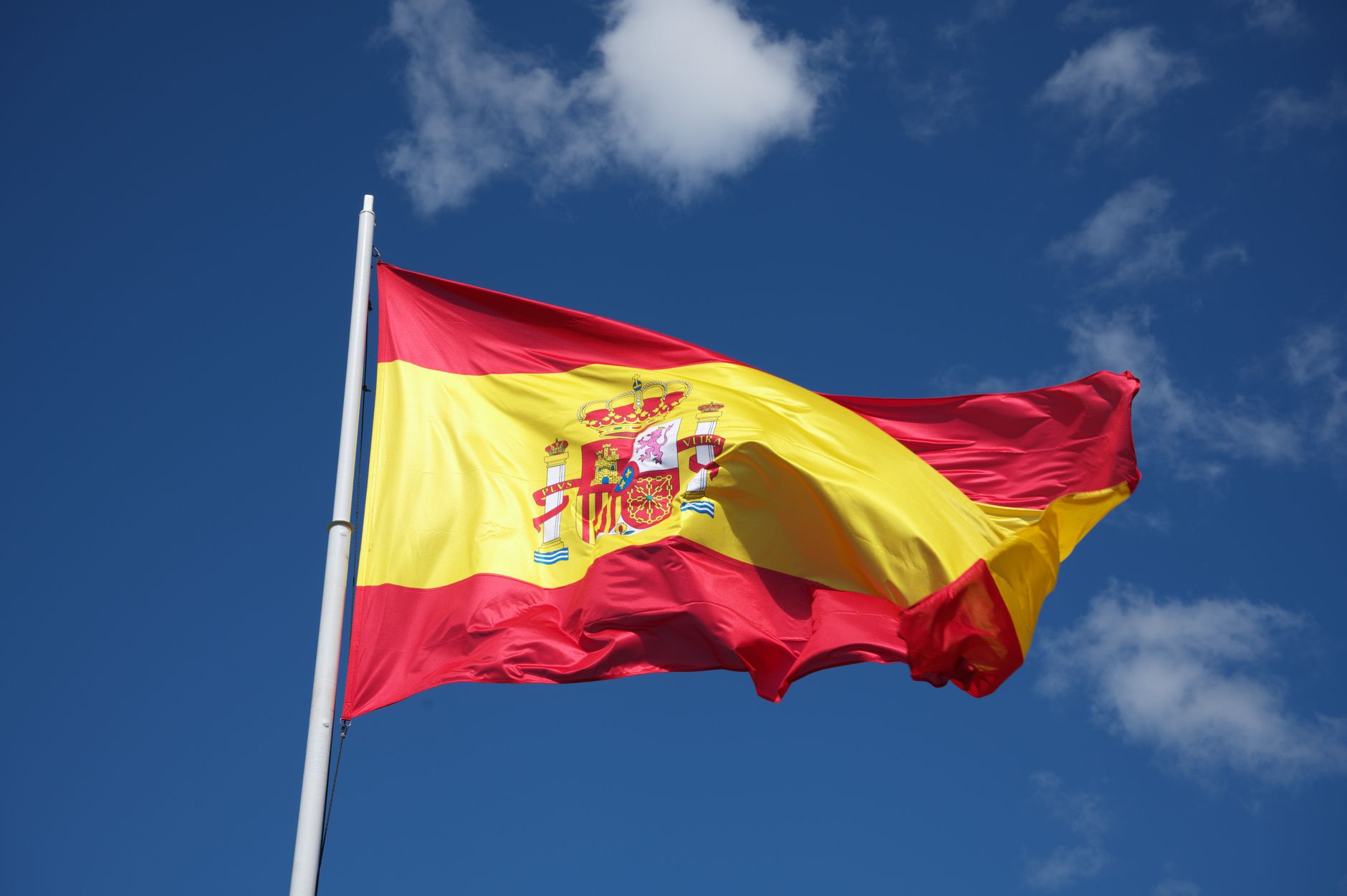
Spain has officially banned Polymarket, a decentralized prediction market platform, joining a growing list of over 30 countries that have taken similar action. According to a recent article by Spanish news outlet El Pais, the ban is part of a broader effort to regulate the use of decentralized finance (DeFi) platforms in the country.
Polymarket allows users to bet on the outcome of various events, including sports games, stock prices, and even the outcome of elections. While the platform claims to be a legitimate way to engage in speculative trading, many regulators have raised concerns about its potential for market manipulation and money laundering.
Spain's decision to ban Polymarket sends a clear signal to other countries that they will not tolerate the use of DeFi platforms that do not meet strict regulatory standards. This move may have significant implications for the global DeFi ecosystem, particularly for platforms that operate in a gray area between traditional finance and cryptocurrency markets.
Why This Matters
The ban on Polymarket highlights the growing concern among regulators about the potential risks associated with DeFi platforms. As the use of cryptocurrencies and blockchain technology continues to grow, governments and regulatory bodies are increasingly seeking to ensure that these platforms operate in a safe and transparent manner. According to industry analysts, the regulatory landscape for DeFi platforms is likely to become even more complex in the coming years, with many countries seeking to establish their own set of rules and guidelines.
The ban on Polymarket also raises questions about the future of decentralized prediction markets. While some platforms may be able to adapt to changing regulatory environments, others may struggle to survive in a world where they are no longer allowed to operate. This could have significant implications for the wider DeFi ecosystem, which relies on platforms like Polymarket to provide liquidity and functionality.
What It Means for the Industry
Spain's ban on Polymarket is a significant blow to the decentralized prediction market industry, which has grown rapidly over the past few years. While some platforms may be able to adapt to changing regulatory environments, others may struggle to survive in a world where they are no longer allowed to operate. This could have significant implications for the wider DeFi ecosystem, which relies on platforms like Polymarket to provide liquidity and functionality.
However, the ban on Polymarket also presents an opportunity for other platforms to innovate and adapt to changing regulatory environments. By establishing themselves as compliant and transparent platforms, these companies may be able to attract a larger share of the DeFi market and establish themselves as leaders in the industry.
Ultimately, the ban on Polymarket highlights the need for DeFi platforms to prioritize regulatory compliance and transparency. By working closely with regulators and establishing themselves as legitimate and trustworthy platforms, these companies can help to build trust and confidence in the DeFi ecosystem, and ensure that they are able to operate in a safe and sustainable manner.
What Happens Next
As the DeFi ecosystem continues to evolve, it is likely that we will see more countries banning or regulating decentralized prediction market platforms. According to a recent article by Analytics Insight, the best crypto to buy now as Bitcoin (BTC) eyes recovery in May 2026 may be platforms that are able to adapt to changing regulatory environments and establish themselves as compliant and transparent.
For investors and traders, the ban on Polymarket presents an opportunity to explore other DeFi platforms that may be more resilient to regulatory changes. By doing their research and due diligence, these individuals can help to build a more diverse and resilient DeFi ecosystem, and ensure that they are able to operate in a safe and sustainable manner.
Ultimately, the future of decentralized prediction markets will depend on the ability of these platforms to adapt to changing regulatory environments and establish themselves as compliant and transparent. By prioritizing regulatory compliance and transparency, these companies can help to build trust and confidence in the DeFi ecosystem, and ensure that they are able to operate in a safe and sustainable manner.
The Potential for Meme Coins
As the DeFi ecosystem continues to evolve, it is likely that we will see the rise of new meme coins that are able to capitalize on the ban on Polymarket. According to a recent article by Analytics Insight, one such coin is a new Ethereum-based meme coin that has the potential to break into the top 20. While this coin may not be directly related to the ban on Polymarket, it highlights the potential for new meme coins to emerge in the DeFi ecosystem and capitalize on the opportunities presented by changing regulatory environments.
Ultimately, the future of decentralized prediction markets will depend on the ability of these platforms to adapt to changing regulatory environments and establish themselves as compliant and transparent. By prioritizing regulatory compliance and transparency, these companies can help to build trust and confidence in the DeFi ecosystem, and ensure that they are able to operate in a safe and sustainable manner.


