
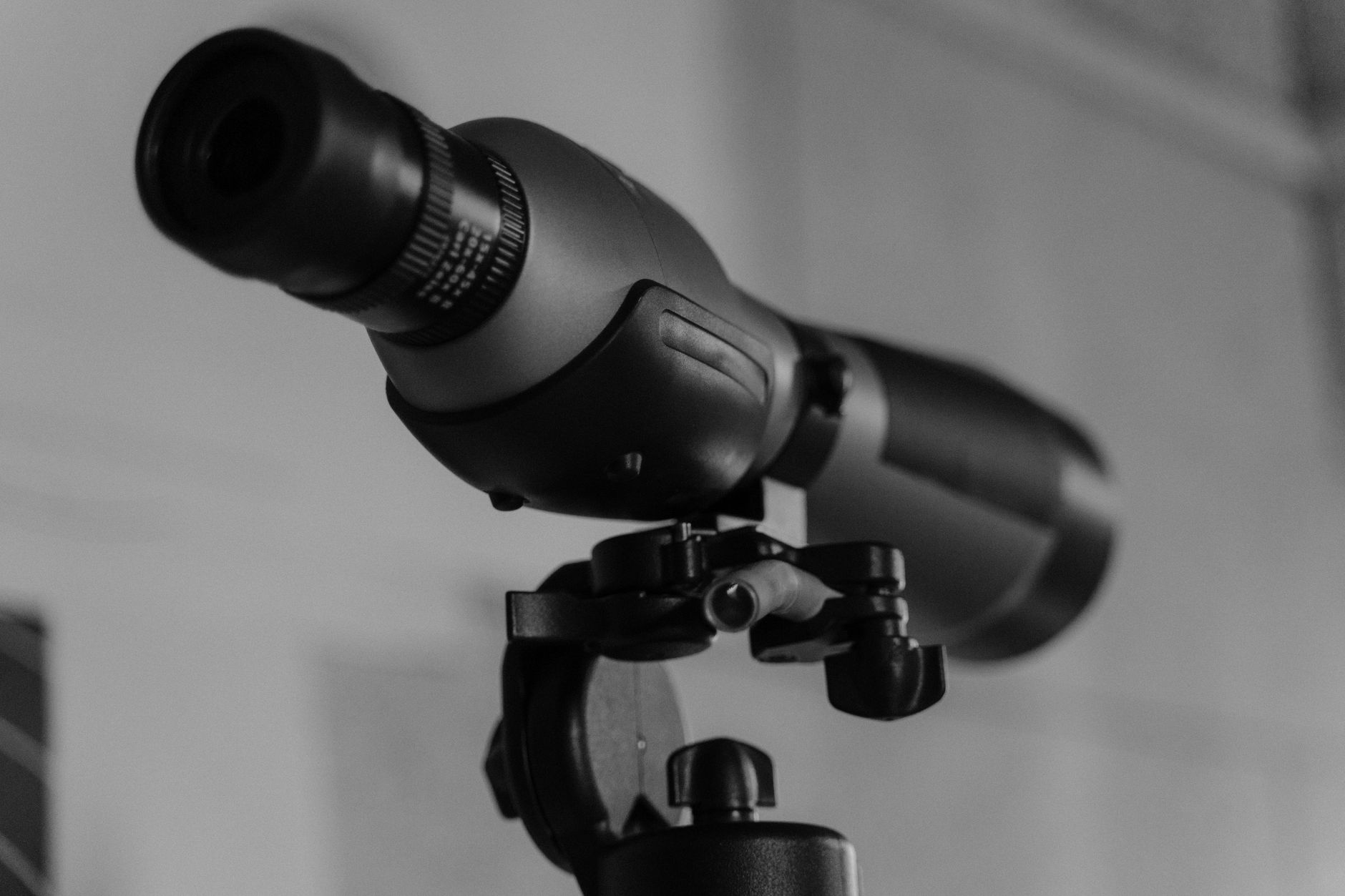
Imagine stepping outside on a clear night, pointing a sleek, app‑powered telescope at a glittering cluster of stars, and instantly seeing crisp, labeled constellations on your phone. Now picture the classic experience of manually aligning a brass tube, feeling the weight of history in your hands, and slowly coaxing a faint nebula into view. Both scenarios promise awe, but for a newcomer the choice can feel overwhelming. In this deep‑dive we’ll unpack the technology, the learning curve, and the long‑term value of smart telescopes versus their traditional counterparts, helping you decide which path leads to the most rewarding start in astronomy.
What's Going On
Smart telescopes have burst onto the market in the last few years, marrying optics with AI‑driven alignment, automatic tracking, and seamless smartphone integration. According to Smart Telescopes vs Traditional Telescopes, manufacturers now offer plug‑and‑play devices that guide users through every step, from locating the Moon to capturing deep‑sky objects, all without a traditional finderscope.
Traditional telescopes, by contrast, rely on the time‑honored methods of manual star‑hopping, polar alignment, and the use of mechanical or electronic mounts that require a solid understanding of celestial coordinates. While they lack the instant gratification of a one‑tap setup, they provide a tactile learning experience that many seasoned astronomers swear by.
The market split is evident: entry‑level smart telescopes often sit in the $300‑$600 range, bundling a modest aperture with sophisticated software, while a comparable traditional Dobsonian or refractor can cost a similar amount but deliver a larger objective lens or mirror. The real question for beginners is whether the convenience of automation outweighs the educational depth of manual operation.
Why This Matters
The rise of AI‑assisted optics is reshaping not just hobbyist astronomy but also the broader consumer tech landscape. As Meta's Muse AI Agent demonstrates, AI can lower barriers to entry across many domains, turning complex tasks into intuitive experiences. In the same vein, smart telescopes democratize the night sky, inviting schools, families, and urban dwellers—who might otherwise feel excluded by light pollution or lack of expertise—to explore the cosmos.
This democratization has ripple effects: increased public interest fuels demand for better data, more community outreach programs, and even influences funding for citizen‑science projects. When beginners can instantly identify a galaxy or a planetary nebula, they are more likely to contribute observations to platforms like Zooniverse, enriching scientific databases.
Moreover, the accessibility of smart telescopes expands the demographic profile of amateur astronomers. Older adults, people with limited mobility, and those living in densely populated cities can now enjoy a meaningful stargazing experience without the steep learning curve that once limited participation.
What It Means for the Industry
Manufacturers are responding to this shift by investing heavily in software ecosystems, subscription services for premium sky maps, and collaborations with satellite constellations that provide real‑time cloud‑cover data. The integration of AI not only improves user experience but also creates new revenue streams through app marketplaces and data analytics.
Traditional telescope makers, however, are not standing still. Many are adding motorized GoTo mounts that combine the reliability of classic optics with the convenience of automated pointing. This hybrid approach aims to capture the best of both worlds: the educational value of manual control and the speed of smart alignment.
From an industry perspective, the competition drives innovation across the board. For example, the InnoTrans automation showcase highlights how precision engineering in unrelated sectors—like rail automation—feeds back into telescope mount design, resulting in smoother tracking and lower vibration, benefits that both smart and traditional users will feel.
What Happens Next
Looking ahead, the convergence of AI, augmented reality, and low‑cost optics promises even richer experiences. The upcoming announcements from major astronomy expos hint at telescopes that will overlay live constellation labels directly onto the eyepiece, blending the digital and analog realms. For those eager to stay informed, the AEU AI ethics summit underscores the importance of responsible data use as more devices collect location and observational data.
In the short term, beginners should weigh personal goals against the trade‑offs outlined above. If instant gratification, ease of use, and social sharing are top priorities, a smart telescope is a compelling entry point. If the desire is to build a deep, hands‑on understanding of celestial mechanics, a traditional scope—perhaps paired with a modest GoTo mount—offers a richer educational journey.
Whichever path you choose, the night sky remains an open invitation. The tools may evolve, but the wonder of looking up at distant worlds is timeless. Happy stargazing!


