
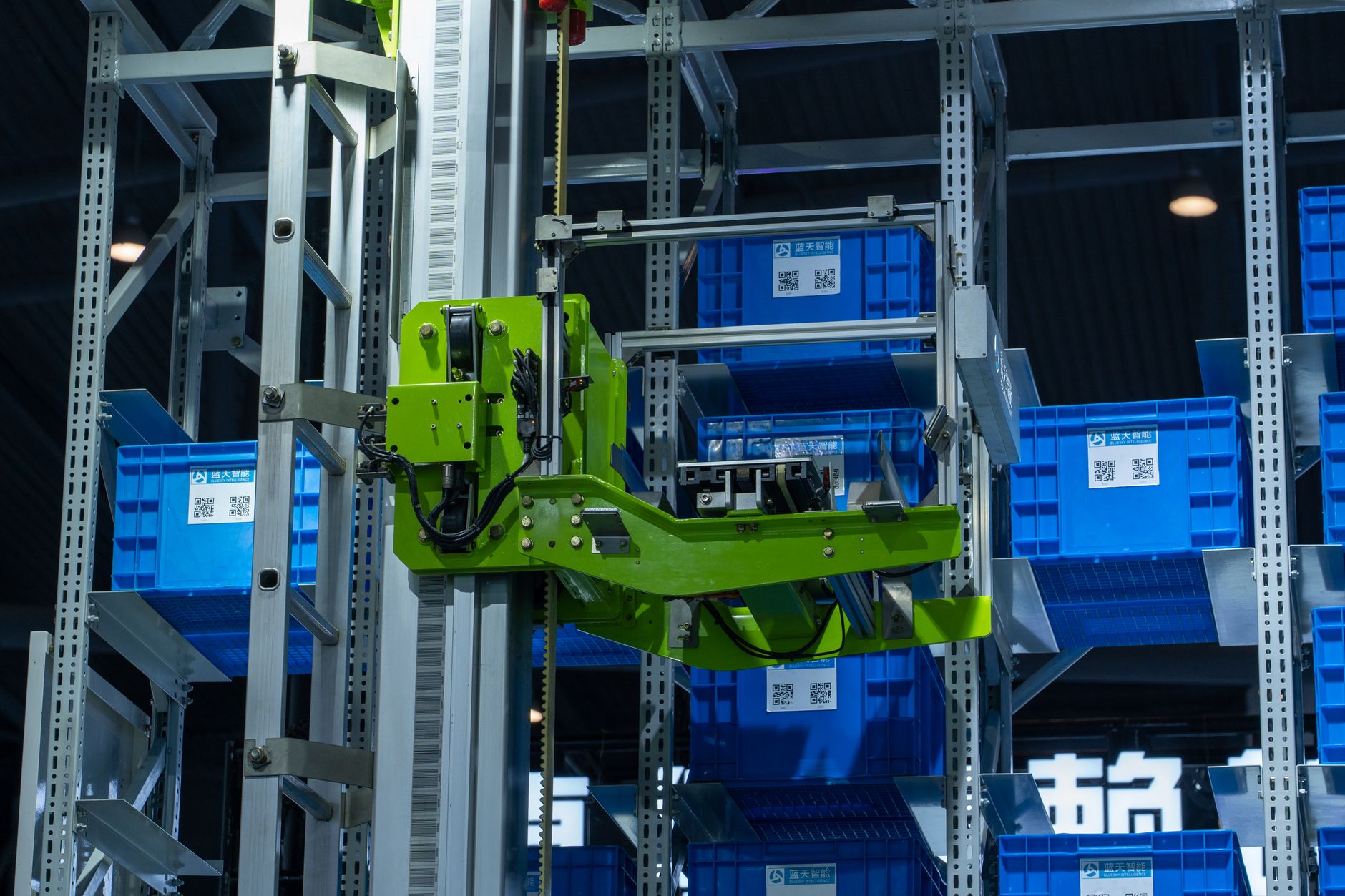
The world of logistics is undergoing a quiet revolution. Imagine a freight truck that talks to a warehouse in real time, a warehouse robot that predicts stock shortages before they happen, and a mobile dashboard that lets a supply‑chain manager reroute shipments with a swipe on a phone. This isn’t a sci‑fi plot; it’s the emerging reality of smart and mobile supply‑chain solutions. As businesses scramble to meet consumer expectations for speed, transparency, and sustainability, the technology that powers these expectations is exploding. In this post we’ll unpack the latest market study, explore why the numbers matter, and look ahead to the next wave of innovation that could reshape every link in the supply chain.
What's Going On
The latest market study reveals that the global smart and mobile supply‑chain solutions market is projected to surge to $98.33 billion by 2032, driven by rapid adoption of IoT sensors, AI‑powered analytics, and 5G connectivity. According to Smart And Mobile Supply Chain Solutions, the compound annual growth rate (CAGR) is expected to exceed 20 percent, outpacing many adjacent technology sectors.
This momentum is fueled by several converging trends. First, retailers are demanding end‑to‑end visibility to reduce stockouts and improve the customer experience. Second, manufacturers are leveraging predictive maintenance to keep production lines humming, while third‑party logistics providers (3PLs) are deploying autonomous vehicles and drones to cut last‑mile costs. Finally, regulatory pressure for carbon‑neutral logistics is nudging firms toward data‑driven route optimization and load consolidation.
Geographically, North America and Europe remain the early adopters, thanks to mature logistics networks and strong investment ecosystems. However, Asia‑Pacific is closing the gap quickly, with China and India pouring billions into smart‑factory initiatives and mobile‑first logistics platforms. The study also highlights a shift from siloed solutions toward integrated ecosystems that combine hardware, software, and cloud services under a single subscription model.
Why This Matters
The ripple effect of this growth extends far beyond the logistics aisle. CMB Introduces Intelligent Signals points out that real‑time data streams are becoming the new currency for competitive advantage. Companies that can instantly translate sensor data into actionable insights will win contracts, reduce waste, and attract premium customers who demand traceability.
From a macroeconomic perspective, the surge in smart supply‑chain tech promises to unlock billions in efficiency gains. Faster customs clearance, reduced empty‑truck miles, and smarter inventory placement can collectively shave years off product development cycles and dramatically lower the cost of goods sold. Moreover, the environmental upside is substantial: optimized routing reduces fuel consumption, while predictive analytics curtail over‑production, directly supporting ESG goals.
Who feels the impact? The answer spans the entire value chain. Large retailers like Walmart and Amazon are already piloting AI‑driven fulfillment centers, while small‑to‑medium enterprises (SMEs) are leveraging mobile apps to compete with larger players on delivery speed. Even consumers stand to benefit through lower prices, faster delivery, and greater confidence that the products they buy are sourced responsibly.
What It Means for the Industry
Strategically, the market shift forces incumbents to rethink legacy systems. Companies that cling to on‑premise ERP solutions without cloud integration risk becoming bottlenecks. The emerging paradigm favors modular platforms that can plug into existing infrastructure, scale on demand, and incorporate emerging technologies like edge AI and blockchain for immutable tracking.
For technology vendors, the opportunity is twofold: develop best‑in‑class hardware—such as low‑power IoT sensors and ruggedized mobile devices—and deliver sophisticated analytics engines that turn raw data into prescriptive actions. Partnerships are becoming the norm, with hardware manufacturers teaming up with SaaS providers to offer end‑to‑end solutions that reduce implementation friction.
Meanwhile, cybersecurity cannot be an afterthought. As supply chains become more connected, the attack surface expands dramatically. Cohesity Introduces Agent Resilience underscores the importance of resilient AI agents that can detect anomalies, isolate compromised nodes, and recover without disrupting the flow of goods. Firms that embed security by design will earn the trust of partners and regulators alike.
What Happens Next
Looking ahead, the next wave of growth will be powered by three key catalysts. First, the rollout of 5G networks will enable ultra‑low‑latency communication between devices, making real‑time decision‑making a reality even in remote warehouses. Second, the maturation of digital twins—virtual replicas of physical supply‑chain assets—will allow companies to simulate disruptions and test mitigation strategies before they occur. Third, the rise of AI‑generated insights will shift the role of human analysts from data crunching to strategic oversight.
Regulatory frameworks are also evolving. The RegTech Market to Reach USD 99.07 billion highlights how compliance tools are becoming integral to supply‑chain platforms, ensuring that data handling meets privacy standards and that carbon‑footprint reporting aligns with global mandates.
In the final analysis, the journey toward a $98.33 billion market is not just about dollars; it’s about building a resilient, transparent, and sustainable logistics ecosystem. Companies that invest early in smart sensors, mobile analytics, and secure AI agents will not only capture market share but also set the standard for the next generation of global trade. The future of supply chain is already on the move—are you ready to join the ride?


