
What's Going On
According to Bermana News, the upcoming MAHA 2026 exhibition is set to showcase the latest advancements in smart farming, with a strong emphasis on artificial intelligence (AI). The event, scheduled to take place in Malaysia, promises to bring together industry experts, researchers, and tech enthusiasts to explore the future of agriculture.
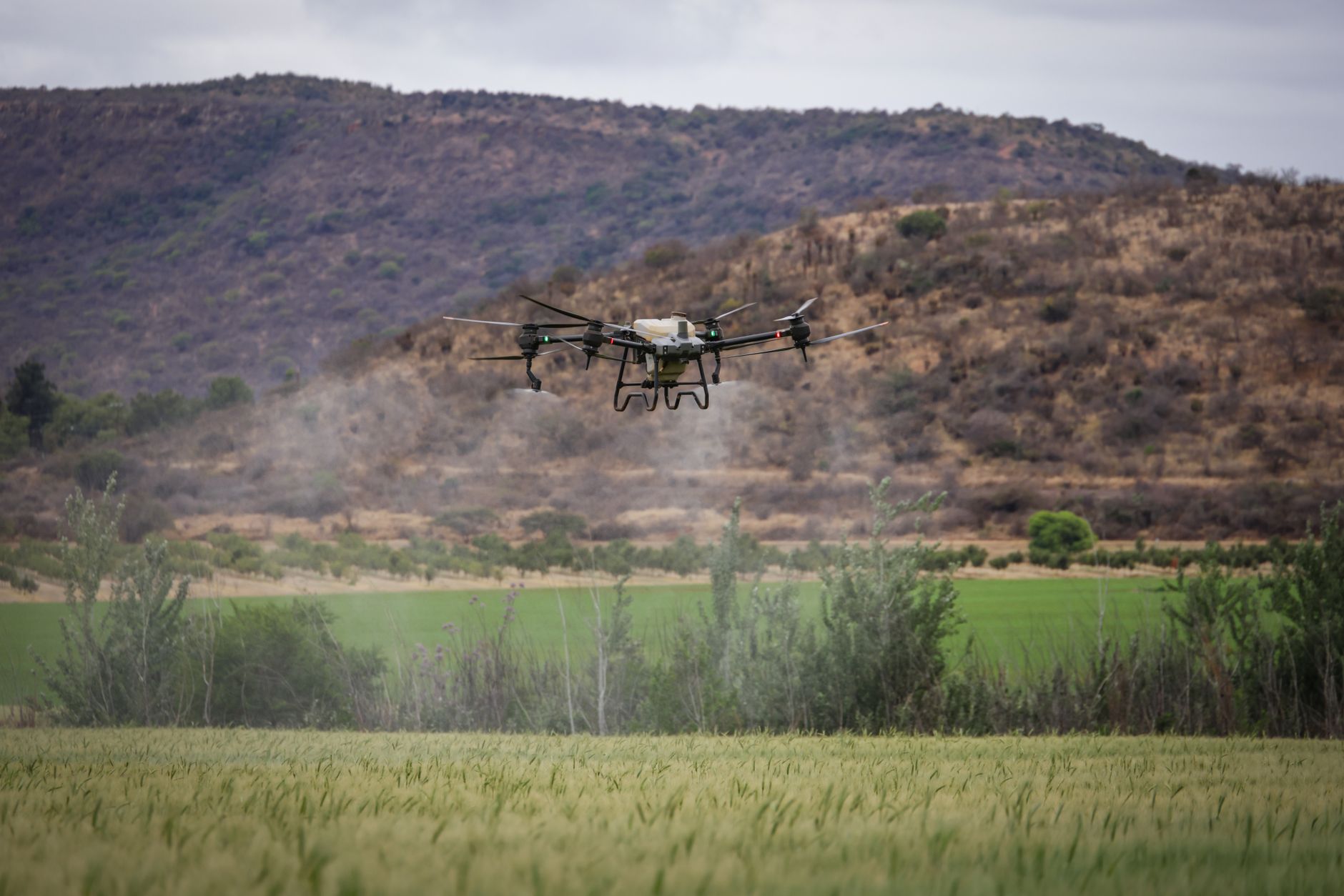
Smart farming, also known as precision agriculture, involves the use of advanced technologies such as drones, satellite imaging, and IoT sensors to optimize crop yield, reduce waste, and improve resource allocation. AI plays a crucial role in this process by analyzing vast amounts of data to predict and prevent potential issues, such as pests, diseases, and weather-related damage.
The integration of AI in farming practices has the potential to increase food production, reduce environmental impact, and improve the overall sustainability of agriculture. With the global population projected to reach 9.7 billion by 2050, the need for efficient and sustainable farming practices has never been more pressing.
Why This Matters
Industry analysts note that the adoption of AI in agriculture is not only crucial for meeting the world's growing food demands but also for ensuring the long-term sustainability of farming practices. By leveraging AI, farmers can make data-driven decisions, reduce costs, and improve the overall quality of their crops.
The benefits of AI in agriculture extend beyond the farm gates, with positive impacts on the environment, economy, and society as a whole. By optimizing resource allocation, reducing waste, and promoting sustainable practices, AI-enabled farming can help mitigate the effects of climate change, preserve biodiversity, and support rural communities.
The MAHA 2026 exhibition is expected to attract a diverse range of stakeholders, including farmers, researchers, policymakers, and tech entrepreneurs. The event will provide a platform for knowledge sharing, collaboration, and innovation, with the ultimate goal of driving the adoption of AI in smart farming practices.
What It Means for the Industry
The integration of AI in farming practices has the potential to transform the agricultural sector in profound ways. By leveraging data analytics, machine learning, and IoT technologies, farmers can gain real-time insights into their operations, optimize resource allocation, and improve crop yields.
The adoption of AI in agriculture also has significant implications for the food industry, with potential benefits including improved food safety, reduced waste, and enhanced consumer experience. By leveraging AI-enabled farming practices, food manufacturers can ensure a consistent supply of high-quality raw materials, reducing the risk of contamination and improving product quality.
The strategic impact of AI in agriculture is also significant, with potential benefits including increased competitiveness, improved market access, and enhanced export opportunities. By adopting AI-enabled farming practices, farmers and food manufacturers can differentiate themselves in the market, improve their reputation, and attract new customers.
What Happens Next
The MAHA 2026 exhibition is expected to be a major catalyst for the adoption of AI in smart farming practices, with the event providing a platform for knowledge sharing, collaboration, and innovation. According to a recent announcement, the exhibition will feature a range of AI-powered solutions, including precision farming, crop monitoring, and livestock management systems.
The exhibition will also provide a platform for industry experts and researchers to share their knowledge and experiences, with the ultimate goal of driving the adoption of AI in agriculture. By leveraging the latest advancements in AI and precision agriculture, farmers and food manufacturers can improve their operations, reduce costs, and enhance their competitiveness in the market.
As the agricultural sector continues to evolve, it is clear that AI will play an increasingly important role in shaping the future of farming practices. With the MAHA 2026 exhibition serving as a catalyst for innovation and collaboration, the prospects for smart farming and AI-enabled agriculture have never been brighter.
Real-World Applications
The integration of AI in farming practices has numerous real-world applications, with potential benefits including improved crop yields, reduced waste, and enhanced resource allocation. By leveraging AI-enabled farming practices, farmers can gain real-time insights into their operations, optimize resource allocation, and improve crop quality.
The adoption of AI in agriculture also has significant implications for the food industry, with potential benefits including improved food safety, reduced waste, and enhanced consumer experience. By leveraging AI-enabled farming practices, food manufacturers can ensure a consistent supply of high-quality raw materials, reducing the risk of contamination and improving product quality.
Conclusion
The MAHA 2026 exhibition is set to be a major catalyst for the adoption of AI in smart farming practices, with the event providing a platform for knowledge sharing, collaboration, and innovation. By leveraging the latest advancements in AI and precision agriculture, farmers and food manufacturers can improve their operations, reduce costs, and enhance their competitiveness in the market.
As the agricultural sector continues to evolve, it is clear that AI will play an increasingly important role in shaping the future of farming practices. With the MAHA 2026 exhibition serving as a catalyst for innovation and collaboration, the prospects for smart farming and AI-enabled agriculture have never been brighter.
The adoption of AI in agriculture is not only crucial for meeting the world's growing food demands but also for ensuring the long-term sustainability of farming practices. By leveraging AI-enabled farming practices, farmers and food manufacturers can drive the adoption of sustainable practices, reduce waste, and improve the overall quality of their crops.
Getting Involved
If you're interested in learning more about the MAHA 2026 exhibition and the latest advancements in smart farming and AI-enabled agriculture, check out this article for more information.
The exhibition will provide a platform for industry experts, researchers, and tech enthusiasts to share their knowledge and experiences, with the ultimate goal of driving the adoption of AI in agriculture. By attending the exhibition, you can gain insights into the latest advancements in AI and precision agriculture, network with industry professionals, and explore potential business opportunities.
Whether you're a farmer, researcher, or tech enthusiast, the MAHA 2026 exhibition is an event not to be missed. By leveraging the latest advancements in AI and precision agriculture, you can drive the adoption of sustainable practices, reduce waste, and improve the overall quality of your crops.


