
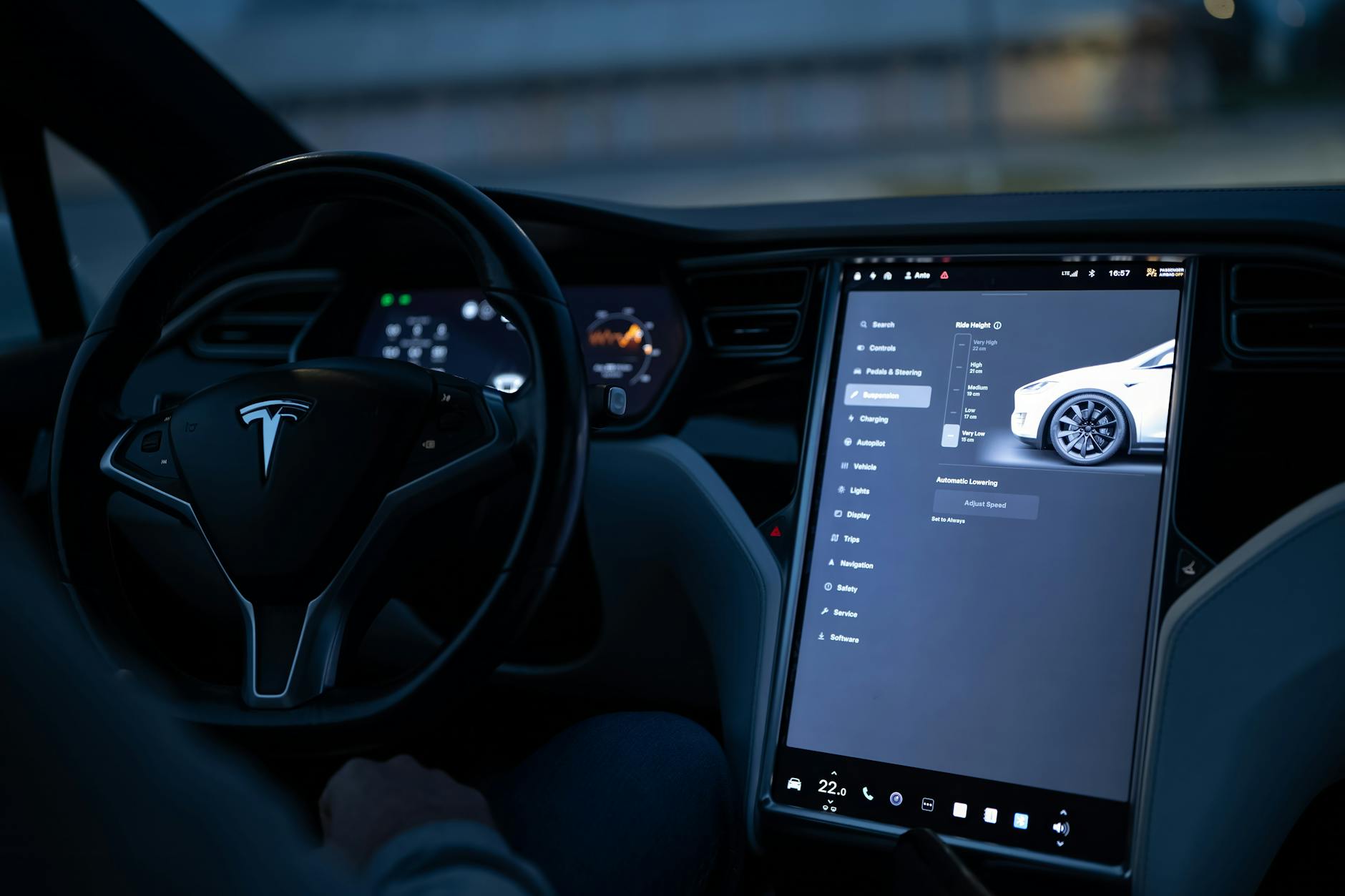
The world of transportation is on the cusp of a revolution, with autonomous and self-driving vehicles becoming increasingly sophisticated. Companies like Tesla, Pony.ai, NVIDIA, Moia, Beep, Innoviz, SiMa.ai, Hesai, Karsan, WeRide, PlusAI, Arbe, and Zoox are at the forefront of this movement, pushing the boundaries of what is possible with artificial intelligence and machine learning. As these companies continue to innovate and improve their technologies, we can expect to see significant changes in the way we travel and transport goods.
What's Going On
According to Autonomous & Self-Driving Vehicle News, several companies have made recent breakthroughs in autonomous vehicle technology. Tesla, for example, has been testing its Full Self-Driving (FSD) system on public roads, while Pony.ai has been working on developing more advanced sensor systems for its self-driving cars. NVIDIA, meanwhile, has been focused on creating more powerful and efficient computing platforms for autonomous vehicles.
These advancements are not limited to just a few companies, however. Moia, a German mobility company, has been working on developing autonomous shuttle services, while Beep, a US-based company, has been testing its self-driving buses on public roads. Innoviz, an Israeli company, has been developing advanced lidar sensors for autonomous vehicles, and SiMa.ai, a US-based company, has been working on creating more efficient and powerful AI computing platforms.
Other companies, such as Hesai, Karsan, WeRide, PlusAI, Arbe, and Zoox, are also making significant contributions to the development of autonomous vehicle technology. Hesai, for example, has been developing advanced lidar sensors, while Karsan has been working on creating autonomous shuttle services. WeRide, a Chinese company, has been testing its self-driving taxis on public roads, and PlusAI, a US-based company, has been developing advanced AI systems for autonomous trucks.
Why This Matters
As industry analysts note, the development of autonomous vehicle technology has the potential to revolutionize the way we travel and transport goods. With the ability to operate without human intervention, autonomous vehicles could significantly reduce the number of accidents on the road, as well as decrease traffic congestion and improve air quality. Additionally, autonomous vehicles could provide greater mobility for the elderly and disabled, and could potentially reduce the number of vehicles on the road, as people increasingly turn to shared transportation services.
The impact of autonomous vehicle technology will be felt across a wide range of industries, from transportation and logistics to healthcare and education. As autonomous vehicles become more prevalent, we can expect to see significant changes in the way goods are transported, and the way people travel. This could lead to the creation of new jobs and industries, as well as the disruption of traditional business models.
However, the development of autonomous vehicle technology also raises important questions about safety, security, and liability. As autonomous vehicles become more common, there will be a need for new regulations and standards to ensure that they are operated safely and securely. There will also be a need for greater transparency and accountability, as companies and governments work to address concerns about the potential risks and benefits of autonomous vehicle technology.
What It Means for the Industry
The development of autonomous vehicle technology is a complex and multifaceted issue, with significant implications for a wide range of industries and stakeholders. As companies like Tesla, Pony.ai, and NVIDIA continue to innovate and improve their technologies, we can expect to see significant changes in the way we travel and transport goods. However, this will also require significant investments in infrastructure, as well as the development of new regulations and standards to ensure that autonomous vehicles are operated safely and securely.
One of the key challenges facing the industry is the need for greater standardization and interoperability. As autonomous vehicles become more common, there will be a need for companies to work together to develop common standards and protocols for the operation of autonomous vehicles. This will require significant collaboration and cooperation, as well as a willingness to share data and best practices.
Another key challenge facing the industry is the need for greater transparency and accountability. As autonomous vehicles become more common, there will be a need for companies to be more transparent about their operations, as well as their safety and security protocols. This will require significant investments in data analytics and reporting, as well as the development of new tools and technologies to support the safe and secure operation of autonomous vehicles.
What Happens Next
As the development of autonomous vehicle technology continues to accelerate, we can expect to see significant changes in the way we travel and transport goods. For more information on the latest developments in autonomous vehicle technology, you can read the full announcement from industry leaders and experts. Additionally, as AI technology continues to advance, it will be interesting to see how it impacts other areas, such as the care of our aging parents, as discussed in recent editorials.
As we look to the future, it is clear that autonomous vehicle technology will play a major role in shaping the transportation industry. With its potential to improve safety, reduce traffic congestion, and increase mobility, autonomous vehicle technology is an exciting and rapidly evolving field. As companies continue to innovate and improve their technologies, we can expect to see significant changes in the way we travel and transport goods.
However, as we move forward, it will be important to address the challenges and concerns surrounding autonomous vehicle technology. This will require significant investments in infrastructure, as well as the development of new regulations and standards to ensure that autonomous vehicles are operated safely and securely. It will also require greater transparency and accountability, as companies and governments work to address concerns about the potential risks and benefits of autonomous vehicle technology.


