
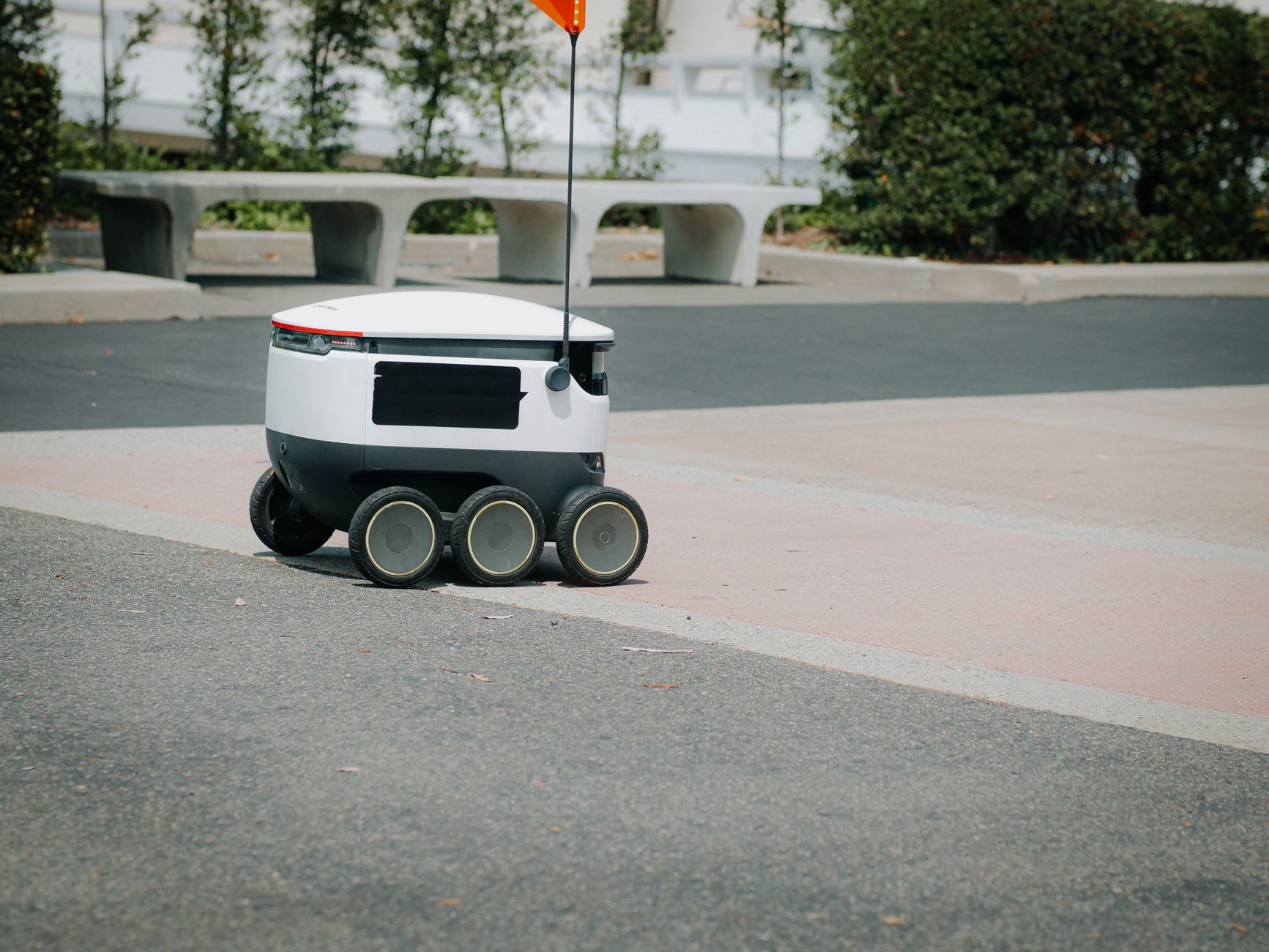
Imagine a future where robots can effortlessly navigate through crowded streets, read signs, and understand human language. Sounds like science fiction, right? Well, thanks to recent breakthroughs in robotics and artificial intelligence, this future is rapidly becoming a reality. According to a report by News Today, robots are now capable of navigating obstacles and reading text, marking a significant milestone in the development of intelligent machines.
What's Going On
The advancements in robotics and AI have been driven by the increasing availability of data and computational power. Researchers have been able to develop more sophisticated algorithms and machine learning models that enable robots to learn from experience and adapt to new situations. This has led to significant improvements in areas such as navigation, object recognition, and natural language processing.
One of the key applications of this technology is in the field of logistics and transportation. Robots with the ability to navigate complex environments and read signs can efficiently manage warehouses, navigate through crowded streets, and even assist in the delivery of packages. This can lead to significant cost savings and improvements in delivery times, making it an attractive option for companies looking to automate their supply chains.
However, the implications of this technology go beyond just logistics and transportation. As robots become increasingly capable of understanding human language and navigating complex environments, they are also becoming more integrated into our daily lives. We can expect to see robots being used in a wide range of applications, from healthcare and education to customer service and hospitality.
Why This Matters
The impact of robots and AI on the workforce is a topic of much debate. While some argue that automation will lead to widespread job displacement, others argue that it will create new opportunities for workers and enable them to focus on higher-value tasks. According to industry analysts, the key to success will be in upskilling and reskilling workers to work effectively alongside robots and AI systems. This requires a fundamental shift in how we approach education and training, focusing on developing skills that are complementary to automation rather than replacing them.
The bigger picture is that robots and AI are changing the way we live and work. They are enabling new forms of collaboration and productivity, and creating new opportunities for innovation and entrepreneurship. As we move forward, it's essential that we prioritize the development of policies and regulations that promote the safe and responsible deployment of these technologies.
Who is affected by this trend? Everyone, from workers and consumers to policymakers and business leaders. As robots and AI become increasingly integrated into our daily lives, we need to ensure that we are prepared for the changes that come with them.
What It Means for the Industry
The implications of robots and AI on the industry are far-reaching. Companies that fail to adapt to the changing landscape risk being left behind, while those that invest in automation and AI are likely to see significant improvements in efficiency and productivity. This requires a fundamental shift in how companies approach innovation and strategy, focusing on developing new business models and revenue streams that are enabled by automation.
One of the key challenges facing companies is the need to develop new skills and training programs that enable workers to work effectively alongside robots and AI systems. This requires a collaborative approach between companies, educators, and policymakers to ensure that workers have the skills they need to thrive in an automated economy.
The strategic impact of robots and AI on the industry is significant. Companies that invest in automation and AI are likely to see significant improvements in efficiency and productivity, enabling them to compete more effectively in a rapidly changing market.
What Happens Next
As we move forward, we can expect to see significant advancements in the development of robots and AI. According to the full announcement by Silicon Box, we can expect to see increased investment in the development of autonomous vehicles, which will be a key driver of the adoption of robots and AI in the logistics and transportation sector.
However, the adoption of robots and AI is not without its challenges. As we've seen in the past, the deployment of new technologies can be slow and uneven, and there are many potential pitfalls to avoid. It's essential that we prioritize the development of policies and regulations that promote the safe and responsible deployment of these technologies.
As we look to the future, it's clear that robots and AI are going to play an increasingly important role in our lives. While there are many potential benefits to this trend, there are also many challenges to be addressed. It's essential that we prioritize the development of policies and regulations that promote the safe and responsible deployment of these technologies.
The AI expert Dr. Roman Yampolskiy believes that we've already lost control of the AI narrative. According to his video interview with Before Its News, we need to take a step back and re-evaluate our approach to AI development, prioritizing the development of policies and regulations that promote the safe and responsible deployment of these technologies.
Ultimately, the future of robots and AI is a topic of much debate. While some see it as a threat to jobs and society, others see it as an opportunity for growth and innovation. As we move forward, it's essential that we prioritize the development of policies and regulations that promote the safe and responsible deployment of these technologies.
As we continue to explore the possibilities of robots and AI, it's essential that we consider the implications of this trend on our society and economy. We need to prioritize the development of policies and regulations that promote the safe and responsible deployment of these technologies, and ensure that we are prepared for the changes that come with them.
In conclusion, the future of robots and AI is a complex and multifaceted topic. While there are many potential benefits to this trend, there are also many challenges to be addressed. It's essential that we prioritize the development of policies and regulations that promote the safe and responsible deployment of these technologies, and ensure that we are prepared for the changes that come with them.
As we move forward, it's essential that we consider the implications of this trend on our society and economy. We need to prioritize the development of policies and regulations that promote the safe and responsible deployment of these technologies, and ensure that we are prepared for the changes that come with them.
Ultimately, the future of robots and AI is a matter of debate. While some see it as a threat to jobs and society, others see it as an opportunity for growth and innovation. As we move forward, it's essential that we prioritize the development of policies and regulations that promote the safe and responsible deployment of these technologies.
As we explore the possibilities of robots and AI, it's essential that we consider the implications of this trend on our society and economy. We need to prioritize the development of policies and regulations that promote the safe and responsible deployment of these technologies, and ensure that we are prepared for the changes that come with them.
In the end, the future of robots and AI is a complex and multifaceted topic. While there are many potential benefits to this trend, there are also many challenges to be addressed. It's essential that we prioritize the development of policies and regulations that promote the safe and responsible deployment of these technologies, and ensure that we are prepared for the changes that come with them.


