
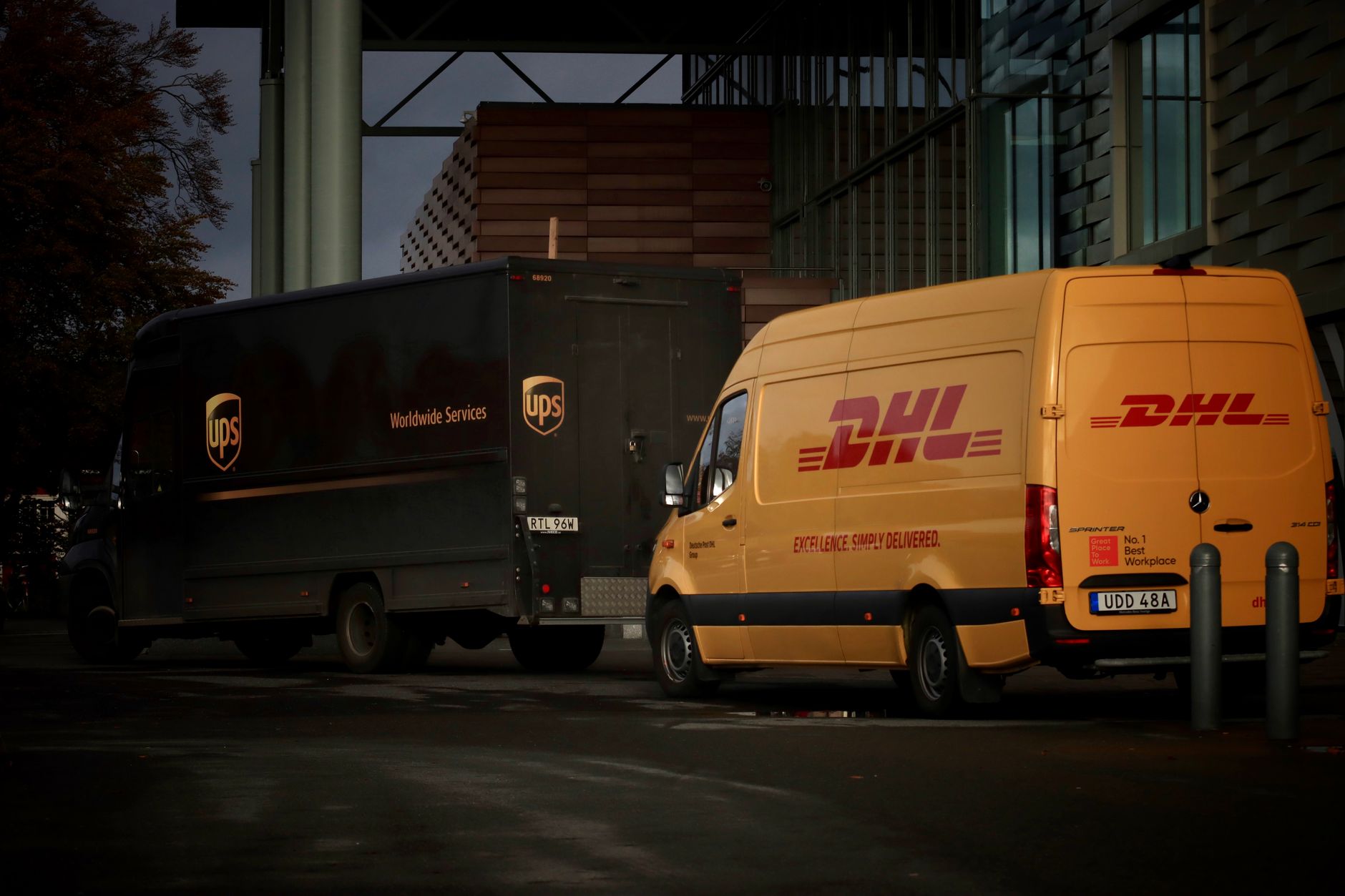
The integration of robots in the workforce is no longer a concept of the future, but a reality that is transforming various industries. One such industry that is heavily investing in robotics is logistics. DHL Supply Chain, a leading logistics company, has taken a significant leap in this direction by deploying 8,000 robots in their warehouses. This move is expected to change the dynamics of work inside the company and improve overall efficiency. To learn more about this development, you can read more here about the implementation of robots in DHL Supply Chain's operations.
What's Going On
The use of robots in DHL Supply Chain's warehouses is a strategic decision to enhance productivity and reduce labor costs. These robots are designed to perform tasks such as picking and packing, which are repetitive and time-consuming. By automating these tasks, the company aims to free up human workers to focus on more complex and value-added tasks. This shift is expected to lead to improved job satisfaction and reduced employee turnover rates.
The deployment of robots is also expected to improve the overall efficiency of the warehouses. With the ability to work around the clock without breaks, robots can significantly increase the throughput of the warehouses. Additionally, robots can help reduce errors and improve accuracy, leading to higher customer satisfaction.
The integration of robots in DHL Supply Chain's warehouses is a testament to the company's commitment to innovation and technology. The company has been investing heavily in digital transformation, and the use of robots is a key part of this strategy. By embracing robotics and automation, DHL Supply Chain is positioning itself for long-term success and competitiveness in the logistics industry.
Why This Matters
The use of robots in logistics is not just a trend, but a necessity in today's fast-paced and competitive business environment. As industry analysts note, the logistics industry is under increasing pressure to deliver products faster and more efficiently. The use of robots can help companies achieve this goal by improving productivity and reducing costs.
The impact of robots on the logistics industry extends beyond just DHL Supply Chain. The use of robots is expected to have a ripple effect throughout the industry, with other companies likely to follow suit. This could lead to a significant shift in the way logistics companies operate, with a greater emphasis on automation and technology.
The use of robots also raises important questions about the future of work in the logistics industry. As robots take over repetitive and mundane tasks, human workers will need to adapt to new roles and responsibilities. This could lead to a shortage of skilled workers in certain areas, and companies will need to invest in training and development programs to prepare their employees for the changing job market.
What It Means for the Industry
The integration of robots in DHL Supply Chain's warehouses is a significant development that has far-reaching implications for the logistics industry. The use of robots is expected to improve efficiency, productivity, and customer satisfaction, while also reducing costs and improving job satisfaction.
The impact of robots on the logistics industry will be closely watched by other companies, and it is likely that we will see a significant increase in the use of robots in the coming years. This could lead to a new era of innovation and growth in the industry, as companies look to leverage technology to improve their operations and competitiveness.
The use of robots also highlights the importance of digital transformation in the logistics industry. As companies look to automate and streamline their operations, they will need to invest in digital technologies such as artificial intelligence, blockchain, and the Internet of Things. This could lead to a significant increase in investment in digital technologies, and the creation of new job opportunities in areas such as data science and software development.
What Happens Next
As the use of robots in DHL Supply Chain's warehouses becomes more widespread, the company is likely to continue to invest in digital transformation and innovation. The company may also look to expand its use of robots to other areas of its operations, such as transportation and delivery.
To learn more about the latest developments in the logistics industry, you can check out the full announcement from TechCrunch, which provides insights into the latest trends and innovations in the industry.
The use of robots in logistics is a significant development that is expected to have a lasting impact on the industry. As companies continue to invest in digital transformation and innovation, we can expect to see even more exciting developments in the years to come. For example, the official statement from TechCrunch highlights the importance of innovation and entrepreneurship in driving growth and success in the industry.


