
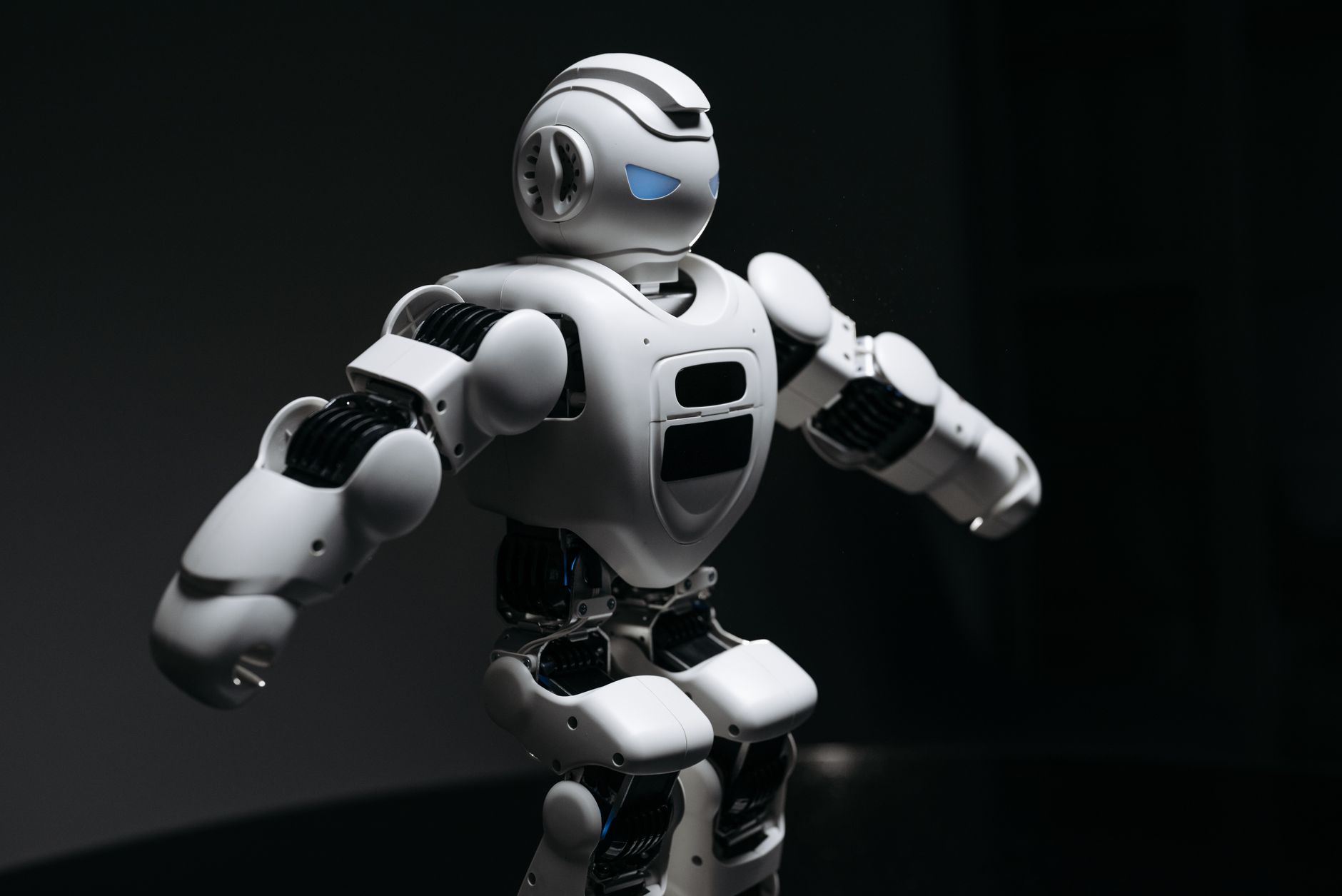
The world of robotics has just taken a massive leap forward, with the announcement that humanoid robots have hit mass production in China. This milestone marks a significant turning point in the development of artificial intelligence and robotics, and is set to have far-reaching implications for a wide range of industries. As we explore the context and implications of this development, it's clear that the future of work and technology is about to get a whole lot more interesting.
What's Going On
According to reports from China, the mass production of humanoid robots is now underway, with several major manufacturers involved in the process. This development is the result of years of research and investment in the field of robotics and AI, and is set to have a major impact on the way we live and work. From healthcare and education to manufacturing and transportation, the potential applications of humanoid robots are vast and varied.
The robots themselves are designed to mimic the appearance and movements of humans, with advanced AI systems allowing them to learn and adapt to new situations. This level of sophistication is made possible by advances in fields such as computer vision, natural language processing, and machine learning, and is set to enable the robots to perform a wide range of tasks with greater accuracy and efficiency.
As the production of humanoid robots ramps up, we can expect to see them being deployed in a variety of settings, from hospitals and schools to factories and offices. This will not only improve productivity and efficiency but also enable new forms of interaction and collaboration between humans and machines.
Why This Matters
As industry experts note, the mass production of humanoid robots is a significant development that will have far-reaching implications for the future of work and technology. With the ability to learn and adapt, these robots will be able to perform a wide range of tasks, from simple assembly and manufacturing to complex healthcare and education roles.
The impact of this development will be felt across a wide range of industries, from manufacturing and logistics to healthcare and education. As robots become increasingly capable and sophisticated, we can expect to see significant changes in the way we work and live, with many tasks and jobs being automated or augmented by machines.
However, this also raises important questions about the future of work and the potential risks and challenges associated with the widespread adoption of robotics and AI. As we explore the implications of this development, it's clear that we need to think carefully about how to ensure that the benefits of these technologies are shared by all, and that the negative consequences are mitigated.
What It Means for the Industry
The mass production of humanoid robots is a significant development that will have major implications for the robotics and AI industry. As the technology continues to evolve and improve, we can expect to see new applications and use cases emerge, from consumer electronics and entertainment to industrial automation and healthcare.
The development of humanoid robots also highlights the importance of investment in research and development, as well as the need for collaboration and partnership between industry, academia, and government. By working together to advance the field of robotics and AI, we can ensure that the benefits of these technologies are shared by all, and that the negative consequences are minimized.
Furthermore, the mass production of humanoid robots also raises important questions about the ethics and governance of AI and robotics. As machines become increasingly autonomous and sophisticated, we need to think carefully about how to ensure that they are aligned with human values and interests, and that their development and deployment are subject to robust regulation and oversight.
What Happens Next
As the production of humanoid robots continues to ramp up, we can expect to see significant developments in the field of robotics and AI. For more information on the latest advancements in humanoid robots, it's worth checking out the latest news and research from leading industry experts and organizations.
Looking ahead, it's clear that the future of work and technology will be shaped by the development and deployment of humanoid robots and other forms of AI and automation. As we explore the implications of this development, it's also worth considering the broader social and economic context, including the potential impact on jobs and employment.
According to recent surveys and studies, AI and automation have already replaced a significant proportion of jobs in the US, and this trend is set to continue in the coming years. As we think about the future of work and the role of humanoid robots and other forms of AI, it's clear that we need to prioritize education and retraining, as well as social support and protection for those who may be displaced by these technologies.


