
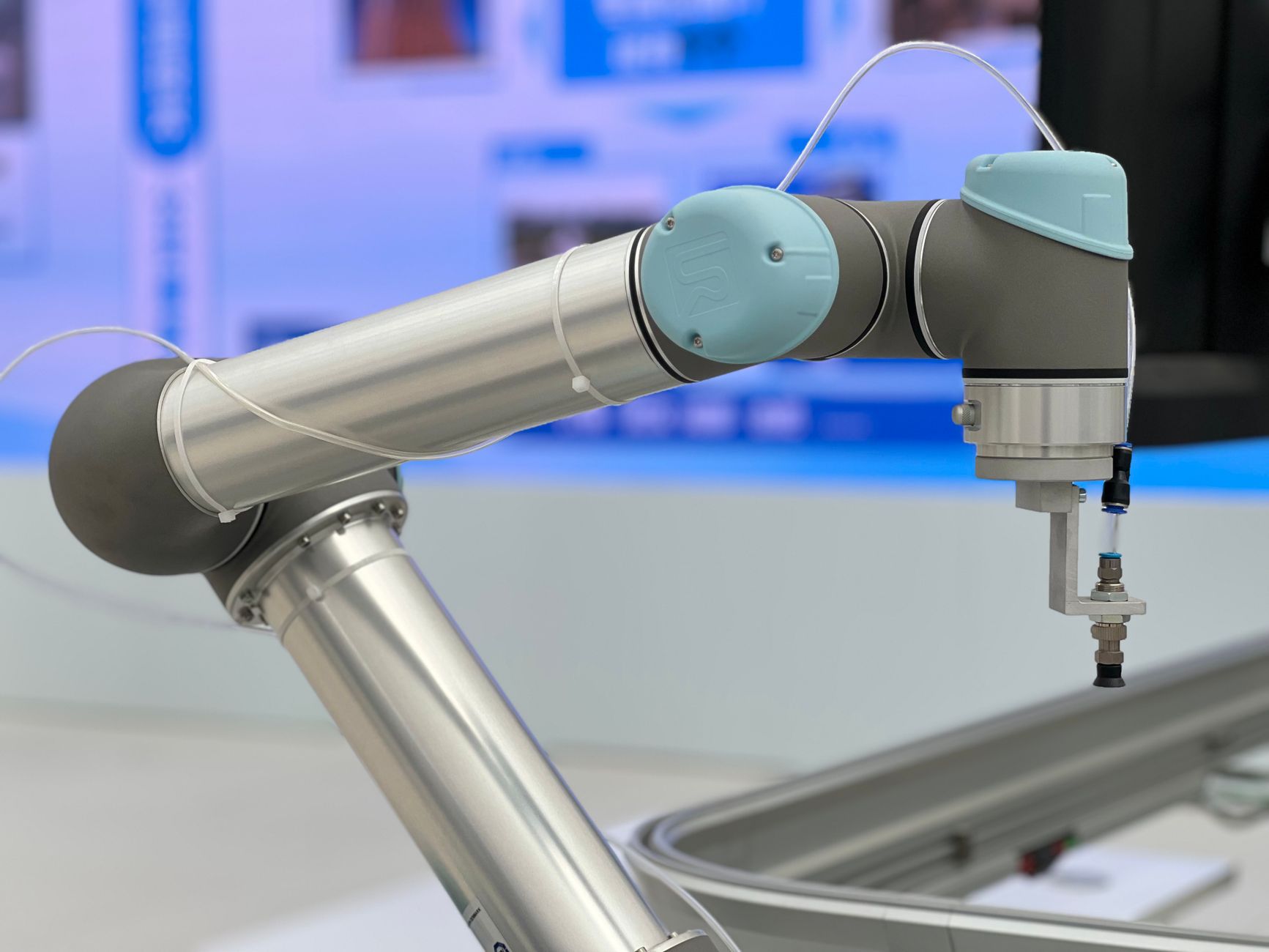
The world of industrial automation is undergoing a significant transformation, driven by the increasing adoption of Industry 4.0 technologies, artificial intelligence, and smart manufacturing. One of the key components of this transformation is the heavy payload robotic arm, which is expected to play a crucial role in shaping the future of industrial production. According to recent reports, the heavy payload robotic arm market is projected to reach USD 17.62 billion by 2032, expanding at a compound annual growth rate (CAGR) of 4.39% from 2025. To read more about the heavy payload robotic arm market, including its current size, growth prospects, and key trends, is essential for understanding the future of industrial automation.
What's Going On
The heavy payload robotic arm market is driven by the increasing demand for automated solutions in various industries, including automotive, aerospace, and manufacturing. The use of robotic arms in these industries has improved efficiency, reduced production costs, and enhanced product quality. Furthermore, the integration of artificial intelligence and machine learning algorithms has enabled robotic arms to perform complex tasks with greater precision and accuracy. As a result, the market for heavy payload robotic arms is expected to experience significant growth in the coming years.
The growth of the heavy payload robotic arm market is also driven by the increasing adoption of Industry 4.0 technologies, which aim to create a more connected and automated industrial environment. Industry 4.0 technologies, such as the Internet of Things (IoT), cloud computing, and big data analytics, have enabled the development of more sophisticated and efficient robotic systems. Additionally, the use of collaborative robots, which can work alongside human workers, has increased the demand for heavy payload robotic arms in various industries.
The heavy payload robotic arm market is highly competitive, with several key players competing for market share. These players are investing heavily in research and development to improve the performance and efficiency of their robotic arms. Additionally, they are forming strategic partnerships with other companies to expand their product offerings and improve their market presence.
Why This Matters
The growth of the heavy payload robotic arm market has significant implications for various industries, including manufacturing, automotive, and aerospace. The use of robotic arms in these industries has improved efficiency, reduced production costs, and enhanced product quality. Furthermore, the integration of artificial intelligence and machine learning algorithms has enabled robotic arms to perform complex tasks with greater precision and accuracy. As industry analysts note, the adoption of robotic arms is expected to continue growing in the coming years, driven by the increasing demand for automated solutions and the need for improved efficiency and productivity.
The growth of the heavy payload robotic arm market also has significant implications for the economy and society as a whole. The use of robotic arms in various industries has the potential to create new job opportunities and improve working conditions for human workers. Additionally, the adoption of robotic arms can help to reduce production costs and improve product quality, which can lead to increased competitiveness and economic growth.
However, the growth of the heavy payload robotic arm market also raises concerns about job displacement and the potential impact on employment. As robotic arms become more sophisticated and efficient, there is a risk that they could replace human workers in certain industries. Therefore, it is essential to ensure that the adoption of robotic arms is managed in a way that minimizes the risk of job displacement and promotes the creation of new job opportunities.
What It Means for the Industry
The growth of the heavy payload robotic arm market has significant implications for the industry as a whole. The use of robotic arms in various industries has improved efficiency, reduced production costs, and enhanced product quality. Furthermore, the integration of artificial intelligence and machine learning algorithms has enabled robotic arms to perform complex tasks with greater precision and accuracy. The market for heavy payload robotic arms is expected to experience significant growth in the coming years, driven by the increasing demand for automated solutions and the need for improved efficiency and productivity.
The growth of the heavy payload robotic arm market is also driven by the increasing adoption of Industry 4.0 technologies, which aim to create a more connected and automated industrial environment. Industry 4.0 technologies, such as the Internet of Things (IoT), cloud computing, and big data analytics, have enabled the development of more sophisticated and efficient robotic systems. Additionally, the use of collaborative robots, which can work alongside human workers, has increased the demand for heavy payload robotic arms in various industries.
The heavy payload robotic arm market is highly competitive, with several key players competing for market share. These players are investing heavily in research and development to improve the performance and efficiency of their robotic arms. Additionally, they are forming strategic partnerships with other companies to expand their product offerings and improve their market presence.
What Happens Next
The growth of the heavy payload robotic arm market is expected to continue in the coming years, driven by the increasing demand for automated solutions and the need for improved efficiency and productivity. As the market continues to evolve, we can expect to see the development of more sophisticated and efficient robotic systems, enabled by the integration of artificial intelligence and machine learning algorithms. To learn more about the data center server market and its role in supporting the growth of the heavy payload robotic arm market, it is essential to stay up-to-date with the latest developments and trends in the industry.
The future of the heavy payload robotic arm market looks promising, with significant growth opportunities in various industries, including manufacturing, automotive, and aerospace. As the market continues to evolve, we can expect to see the development of more sophisticated and efficient robotic systems, enabled by the integration of artificial intelligence and machine learning algorithms. Additionally, the use of collaborative robots, which can work alongside human workers, is expected to increase the demand for heavy payload robotic arms in various industries.
Finally, the growth of the heavy payload robotic arm market is also closely tied to the growth of other related markets, such as the DevSecOps market. As the demand for automated solutions and improved efficiency and productivity continues to grow, we can expect to see significant investments in research and development, as well as strategic partnerships and collaborations between companies. By staying informed about the latest developments and trends in the industry, we can better understand the future of the heavy payload robotic arm market and its potential impact on various industries and the economy as a whole.


