
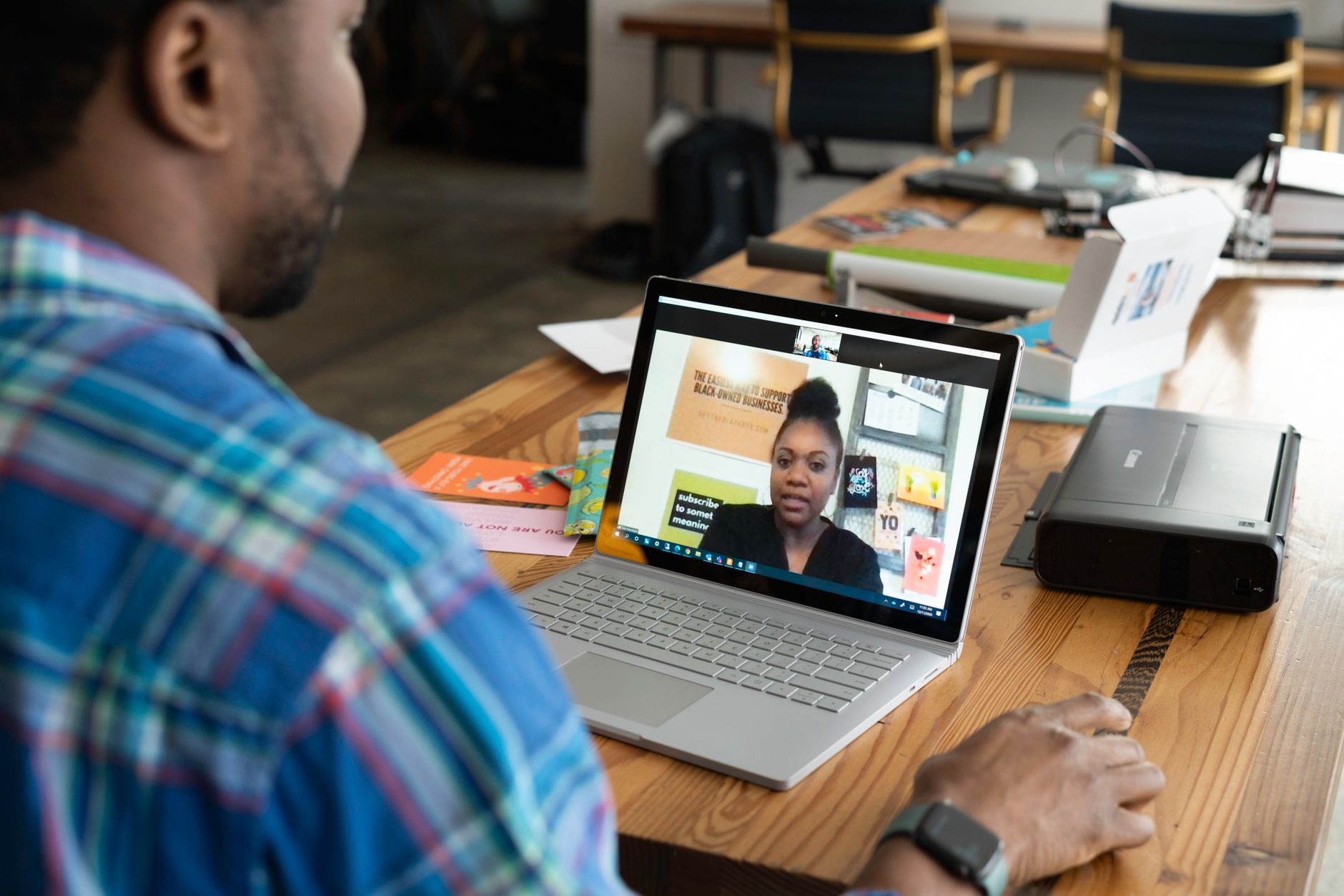
Remote Work Technology Takes Center Stage
The COVID-19 pandemic marked a significant turning point for remote work, forcing companies to adapt to a new reality. As a result, the demand for remote work technology has skyrocketed, with many businesses investing heavily in tools and platforms to facilitate seamless collaboration and communication.
What's Going On
According to TechCrunch reports, the global remote work market is expected to reach $43.8 billion by 2025, driven by the growing need for flexible work arrangements and the increasing adoption of cloud-based technologies.
As more companies adopt remote work models, they are turning to digital communication platforms, such as Slack and Microsoft Teams, to facilitate real-time collaboration and communication among team members.
Additionally, video conferencing tools like Zoom and Google Meet have become essential for remote teams to connect and conduct virtual meetings.
Why This Matters
Industry analysts note that remote work technology has the potential to increase productivity by up to 20% and reduce turnover rates by as much as 50%.
The shift to remote work also has a broader impact on the economy, as it enables businesses to tap into a global talent pool and reduces the need for expensive office spaces.
However, the rise of remote work also raises concerns about data security and the potential for cyber threats, as employees work from home and access company data from unsecured networks.
What It Means for the Industry
The adoption of remote work technology is driving innovation in the tech industry, with companies investing heavily in artificial intelligence, machine learning, and the Internet of Things (IoT) to create more efficient and secure remote work platforms.
As a result, companies are rethinking their traditional office spaces and investing in flexible work arrangements that cater to the needs of remote workers.
The shift to remote work also has significant implications for the real estate industry, as companies reduce their office space requirements and invest in virtual workspaces.
What Happens Next
The full announcement from Microsoft highlights the company's commitment to remote work technology, with plans to invest heavily in cloud-based tools and platforms.
As the remote work revolution continues to gain momentum, businesses and employees will need to adapt to new technologies and workflows to stay ahead of the curve.
Ultimately, the shift to remote work has the potential to transform the way we work, enabling businesses to operate more efficiently and employees to collaborate more effectively.


