
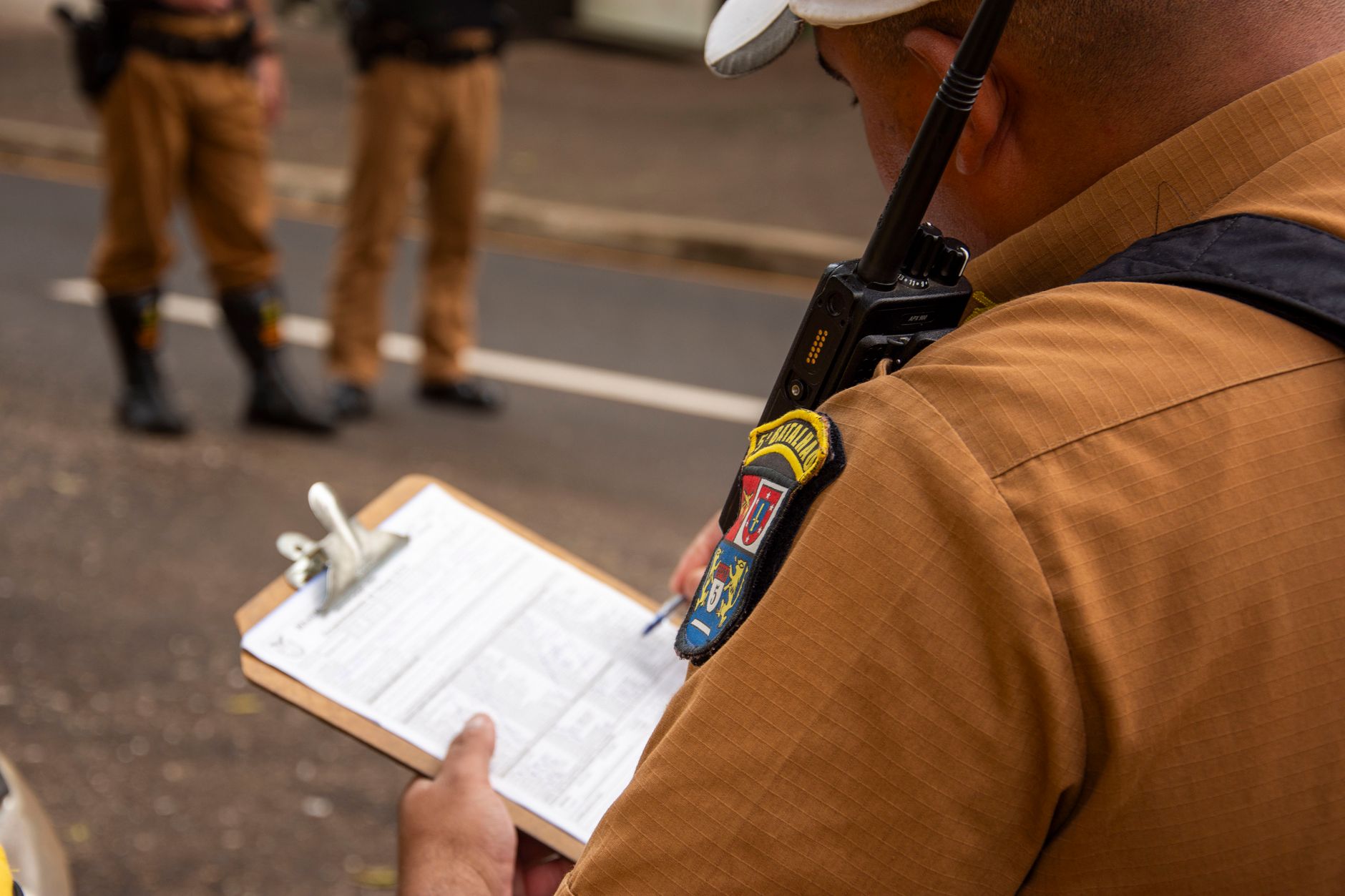
Imagine a world where police officers, after a hectic shift, can hand over a draft report to an AI, which refines and polishes it into a polished, legally sound document in minutes. That world is no longer a distant sci‑fi dream. Across the United States, police departments are embracing artificial intelligence to help write up their reports, promising faster turnaround times, reduced administrative burden, and even more accurate records.
What's Going On
The trend began last year when a few forward‑thinking departments rolled out pilot programs to test AI‑powered drafting tools. According to K‑9 News reports, these tools can ingest raw data from body‑cams, dispatch logs, and witness statements, then generate a coherent narrative that follows legal and procedural standards.
Police officers are still the ones who decide what facts to include and how to interpret them. The AI acts as an assistant, suggesting phrasing, filling in missing details, and ensuring that the final report meets the stringent documentation requirements of courts and internal reviews. Early adopters say that the time saved—often up to 30 minutes per incident—translates into more hours on patrol, community outreach, or investigative work.
Beyond the time savings, departments are also seeing improvements in consistency. Human writing styles vary wildly, which can lead to confusion during inter‑agency investigations. AI‑generated drafts, once reviewed and approved, provide a standardized format that reduces ambiguity and speeds up cross‑department communication.
Why This Matters
Industry analysts note that the shift to AI‑assisted reporting could reshape the entire law enforcement ecosystem. As News Channel 5 reports, the adoption of AI tools is already influencing hiring practices, training curricula, and budget allocations. Departments that invest in AI now may find themselves at a competitive advantage when it comes to securing federal grants or meeting state‑mandated transparency standards.
The broader public safety landscape is also affected. More accurate and timely reports can improve case outcomes, reduce wrongful convictions, and enhance community trust. When a police report is clear and concise, prosecutors can build stronger cases, and courts can make more informed decisions. Moreover, standardized data can feed into analytics platforms that identify crime hotspots, predict future incidents, and allocate resources more efficiently.
Finally, the people most directly impacted are the officers themselves. By offloading routine documentation to AI, officers can focus on the tasks that truly require human judgment—interacting with citizens, de‑escalating situations, and conducting investigations. This shift could improve job satisfaction and reduce burnout, a growing concern in many departments.
What It Means for the Industry
From a technological standpoint, AI‑assisted reporting is a case study in successful human‑AI collaboration. The systems rely on natural language processing (NLP) models trained on vast corpora of legal documents, police reports, and court transcripts. They use named entity recognition to identify key facts—names, dates, locations—and then employ template‑based generation to produce a draft that adheres to procedural guidelines.
However, the deployment of these tools is not without challenges. Data privacy remains a top concern; the AI must handle sensitive personal information securely and comply with regulations such as GDPR and state privacy laws. Departments must also ensure that the AI does not introduce bias—an issue that has plagued many machine‑learning applications. Ongoing auditing and human oversight are essential to maintain the integrity of the reports.
Strategically, police departments are now positioned to become data‑centric organizations. The structured reports generated by AI can be fed into centralized databases, enabling real‑time analytics on crime trends, response times, and officer performance. This data-driven approach can help agencies meet accountability metrics, streamline budgeting, and improve community engagement initiatives.
What Happens Next
The full announcement of a statewide AI‑reporting initiative is still pending, but early indications suggest that more departments will roll out pilots in the coming months. As ABC15 reports, federal agencies are already evaluating partnerships with tech firms to standardize AI tools across jurisdictions.
Looking ahead, we can expect a wave of innovations: integration of voice‑to‑text for real‑time reporting, predictive analytics to flag potential legal issues before a report is finalized, and cross‑agency data sharing platforms that keep every stakeholder in the loop. As these technologies mature, the line between human and machine will blur further, raising new questions about accountability, transparency, and the role of the officer in the justice system.
In the end, the move toward AI‑assisted report writing is more than a tech upgrade—it’s a cultural shift. Police departments that embrace this change stand to gain efficiency, accuracy, and public trust. Those that resist may find themselves lagging behind in an era where data and technology are the new norms of law enforcement. The next few years will be telling, and the conversation is just beginning.


