
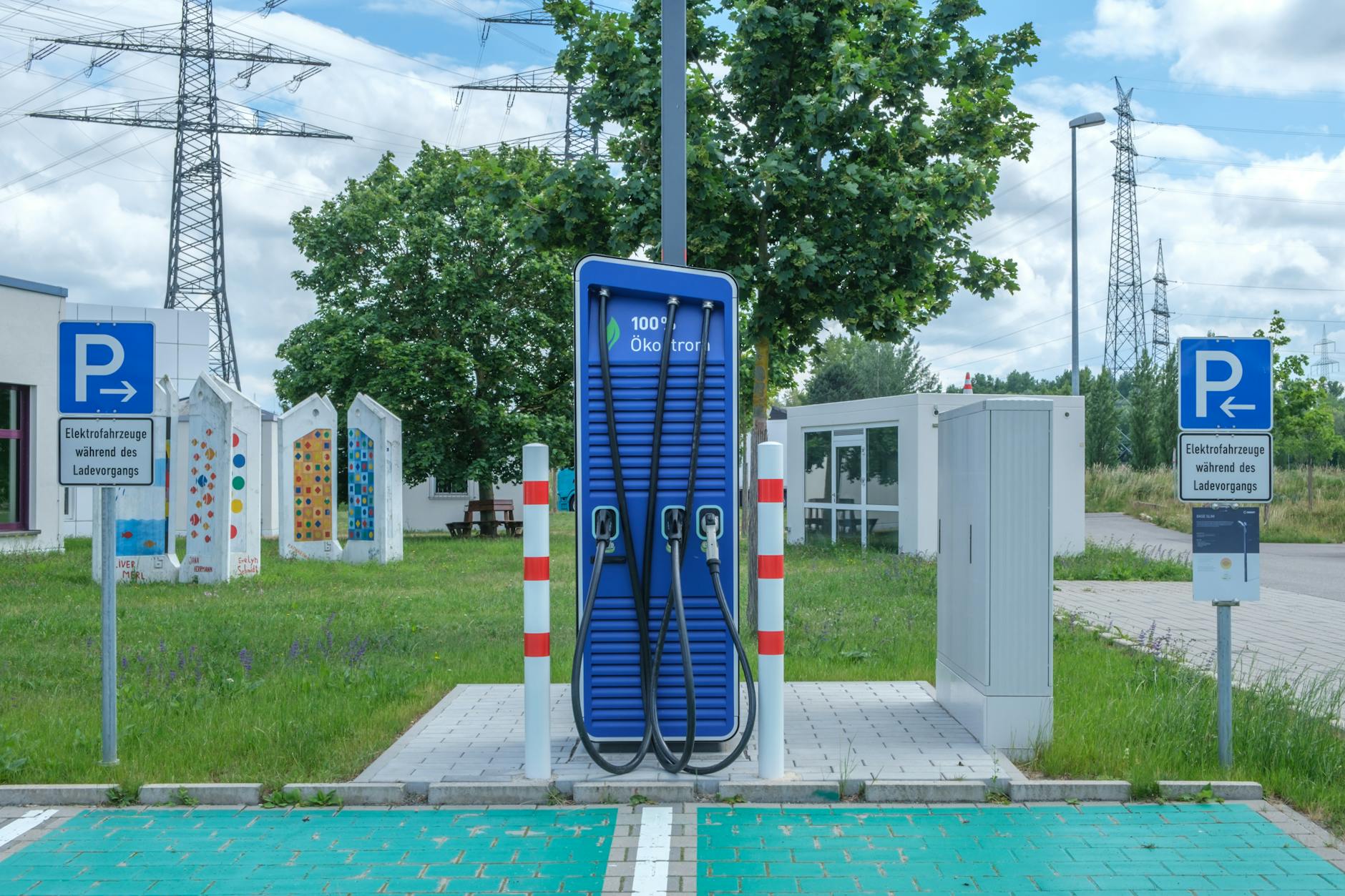
Imagine stepping into a bustling Indian city where every street corner is lined with a gleaming electric car, its battery humming quietly as it charges. That vision of a fully electrified transport ecosystem feels almost cinematic, yet the reality is far from it. While India has set ambitious targets to electrify its vehicle fleet, the backbone of this transformation—charging infrastructure—lags behind by a staggering margin.
What's Going On
According to a recent article in Times of India, India currently boasts just 67,000 electric vehicle (EV) charging points. For a country with a population of 1.4 billion and a rapidly growing automotive market, this number is woefully insufficient to meet the projected demand.
Behind the headline lies a complex web of logistical, regulatory, and economic challenges. The existing charging stations are unevenly distributed, with major metros receiving a disproportionate share while rural and peri‑urban areas remain largely untouched. Moreover, most of the chargers are slow‑speed, making them impractical for users who need to top up quickly between trips.
Infrastructure investment is hampered by a lack of clear policy direction, fragmented ownership models, and a scarcity of skilled personnel to install and maintain the charging network. While private firms are stepping in, the pace of deployment is still slow, and the cost of building new stations remains prohibitive for many investors.
Why This Matters
As highlighted by Gulf News, the lack of charging infrastructure could derail India’s broader sustainability goals. Without a robust network, consumers are less likely to switch from fossil‑fuel vehicles to EVs, stalling the reduction of greenhouse gas emissions and the improvement of urban air quality.
Beyond the environmental stakes, the gap in charging points threatens to stall the entire EV ecosystem—from battery manufacturing to after‑sales services. Manufacturers are hesitant to ramp up production without confidence that their customers will have reliable access to charging, and service providers worry about the long‑term viability of their investments.
Stakeholders across the board—government agencies, private investors, and the public—are affected. Policymakers must devise incentives and regulatory frameworks to accelerate deployment, while consumers face the paradox of high EV prices and low confidence in infrastructure.
What It Means for the Industry
The shortfall in charging infrastructure creates a ripple effect that threatens to slow down the entire EV value chain. Manufacturers may delay launch schedules, battery producers could see reduced demand, and the service sector might struggle to find a foothold.
Strategically, companies that can innovate in charging technology—fast chargers, wireless solutions, and integrated energy storage—stand to gain a competitive edge. However, these innovations require substantial upfront investment and a supportive regulatory environment, both of which are currently in short supply.
Additionally, the lack of a unified charging network poses a barrier for ride‑hailing companies. A BusinessDay article discusses how Uber’s exit from certain markets was not a mere business decision but a reflection of deeper systemic issues, including inadequate charging infrastructure. BusinessDay notes that ride‑hailing operators are increasingly hesitant to invest in fleets without guaranteed charging support.
What Happens Next
The road ahead involves a multi‑pronged approach. The government has pledged to increase the number of charging stations by 2025, but achieving this goal will require public‑private partnerships, streamlined permitting processes, and investment in grid upgrades.
Meanwhile, the global EV landscape is evolving rapidly. The full announcement of next‑generation models, such as Tesla’s upcoming Roadster, can be found in Latestly, underscoring the urgency for India to keep pace with international standards and consumer expectations.
In the coming months, we can expect a surge in policy discussions, increased capital flows into charging infrastructure, and perhaps a shift toward more integrated solutions that combine EV charging with renewable energy generation. For India’s electric dream to materialize, the nation must close the gap between ambition and reality, ensuring that every driver can find a charger when they need one.


