
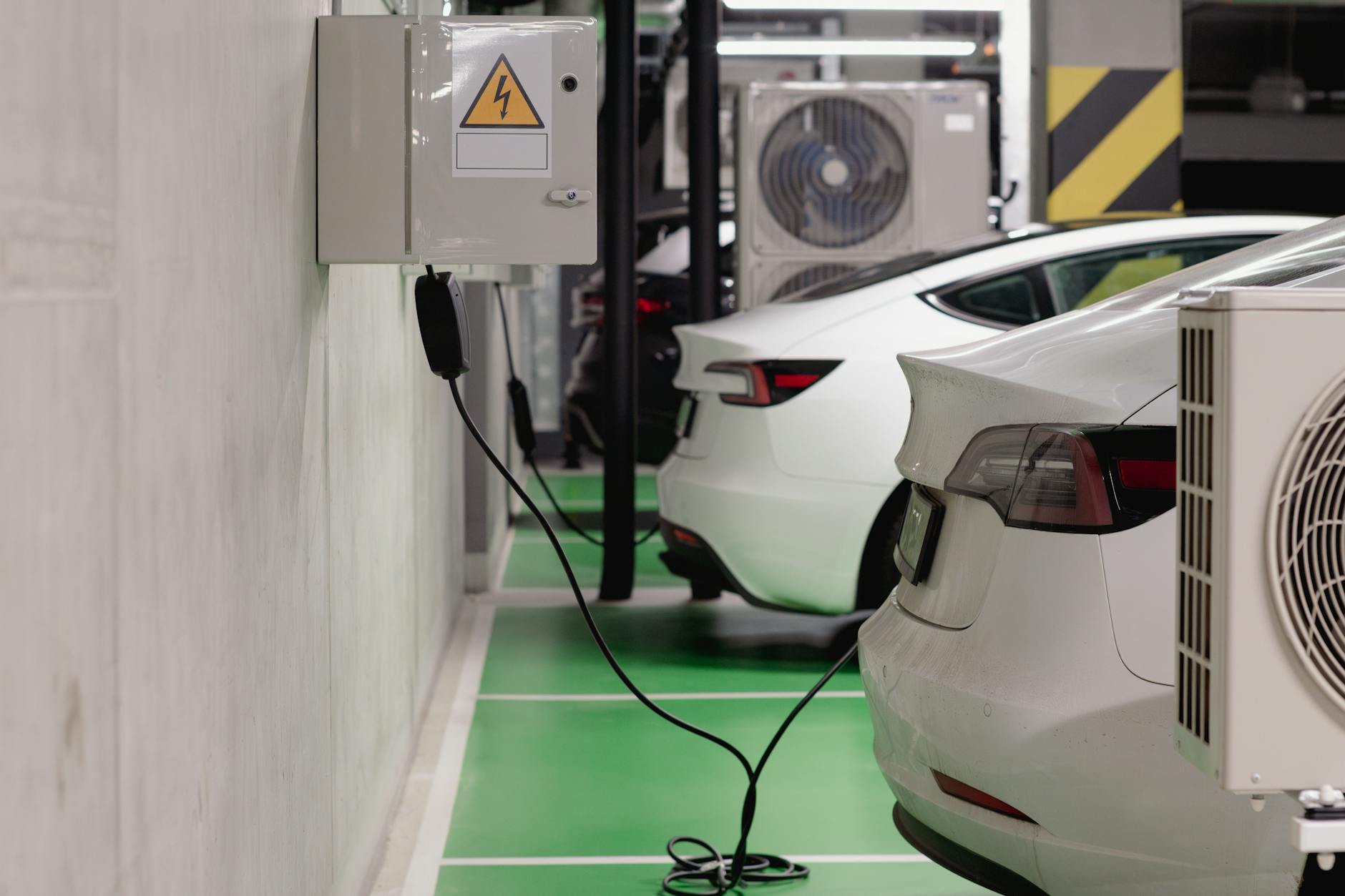
India is racing toward an electric future, but the road ahead is littered with invisible potholes. While the government touts ambitious targets—millions of electric vehicles on the streets by 2030—the nation’s charging backbone remains a fragile scaffold. Imagine a city where every driver must hunt for a charger like a treasure map; the excitement quickly turns into frustration, and the promise of clean mobility stalls. This is the paradox at the heart of India’s EV story: a booming market colliding with a starkly insufficient charging network.
What's Going On
According to the Plugging gap: Why 67,000 EV charging points aren't enough for India’s electric dreams report, the country currently hosts roughly 67,000 public charging points—a number that looks impressive on paper but crumbles under realistic usage scenarios. The report highlights that, even in major metros like Delhi and Mumbai, the average distance between chargers can exceed 10 kilometers, far beyond what most EV owners are comfortable with for daily commutes.
Beyond sheer quantity, the distribution of these stations is uneven. Urban centers enjoy a higher concentration, while tier‑2 and tier‑3 cities—where the next wave of EV adoption is expected—remain largely underserved. Moreover, a significant share of the existing chargers are slow‑charge AC units, which can take several hours to replenish a battery, making them impractical for commercial fleets or ride‑hailing drivers who need rapid turnaround.
Compounding the problem is the regulatory maze. State governments have introduced divergent policies, subsidies, and standards, leading to a fragmented ecosystem where private investors hesitate to commit capital without a clear, unified roadmap. The result is a classic chicken‑and‑egg dilemma: manufacturers are reluctant to push EVs without confidence in charging availability, while investors wait for a proven demand to justify infrastructure spend.
Why This Matters
The charging shortfall isn’t just a logistical inconvenience; it threatens to undermine India’s broader climate and economic objectives. Dubai looks to deepen China ties across AI, EVs and fintech illustrates how regional players are already leveraging cross‑border collaborations to fast‑track EV ecosystems, setting a benchmark that India risks missing if it doesn’t act decisively.
From an industry standpoint, the charging gap could slow down the rollout of electric buses, delivery vans, and two‑wheelers that are essential for reducing urban pollution. Cities like Delhi, which grapple with some of the world’s worst air quality, count on a rapid shift to zero‑emission transport to meet their health targets. A lack of reliable charging infrastructure could force municipalities to revert to diesel or hybrid solutions, eroding years of policy progress.
Consumers, too, feel the pinch. Range anxiety—a fear of running out of charge before reaching a station—remains a top barrier to EV adoption, according to multiple surveys. When potential buyers perceive charging as a gamble, they default to familiar internal‑combustion vehicles, slowing market penetration and leaving manufacturers with excess inventory and wasted R&D investment.
What It Means for the Industry
Automakers, startups, and utilities are all watching the charging conundrum with a mix of optimism and caution. On one hand, the gap represents a massive business opportunity: every new charger is a revenue stream, whether through pay‑per‑use models, subscription services, or ancillary offerings like retail and food services at charging hubs. On the other hand, the fragmented policy environment raises the cost of entry, especially for smaller players lacking deep pockets.
Strategically, firms are beginning to hedge their bets by diversifying into related technologies. Battery swapping stations, for instance, are gaining traction in the two‑wheeler segment, offering a near‑instant “refuel” experience. Meanwhile, AI‑driven energy management platforms promise to optimize charger utilization, balancing grid load and reducing operational expenses. These innovations, however, require a baseline density of chargers to be effective, reinforcing the need for rapid expansion.
Financial markets are also taking note. Venture capital is flowing into charging‑as‑a‑service startups, but investors are increasingly demanding clear pathways to profitability. The Uber’s exit is not your opportunity narrative warns against assuming that market gaps automatically translate into easy wins; disciplined execution and partnership with utilities are essential to avoid costly missteps.
What Happens Next
The roadmap ahead hinges on coordinated policy action, private sector commitment, and technological innovation. The government has signaled intent through the Faster Adoption and Manufacturing of Hybrid and Electric Vehicles (FAME) scheme, but critics argue that funding allocations and rollout timelines need acceleration. A more aggressive push could involve mandating minimum charger ratios per capita, offering tax incentives for fast‑charge installations, and creating a national standard for connector types and payment interfaces.
International collaborations may also play a pivotal role. While India crafts its domestic strategy, global players are unveiling next‑generation EVs that demand high‑power charging. Tesla Roadster Next-Gen Unveiling underscores the speed at which performance expectations are rising, putting pressure on infrastructure to keep pace. If India’s charging network lags, it risks becoming a market where cutting‑edge EVs are technically available but practically unusable.
In the final analysis, the charging gap is both a warning sign and a catalyst. It warns that without decisive action, India’s electric ambitions could stall, leaving emissions high and economic opportunities untapped. Simultaneously, it acts as a catalyst, urging policymakers, investors, and innovators to converge on a shared vision: a dense, reliable, and affordable charging ecosystem that fuels the nation’s transition to clean mobility. The next few years will determine whether India plugs the gap or watches the electric dream drift away.


