
What's Going On
The Pakistani government has announced plans to scrap auto protectionism, a long-standing policy that has shielded the domestic automotive industry from foreign competition. According to reports, this move is aimed at promoting electric mobility and reducing the country's reliance on fossil fuels. The policy change is expected to have far-reaching consequences for the automotive industry, which has been dominated by traditional internal combustion engine vehicles.
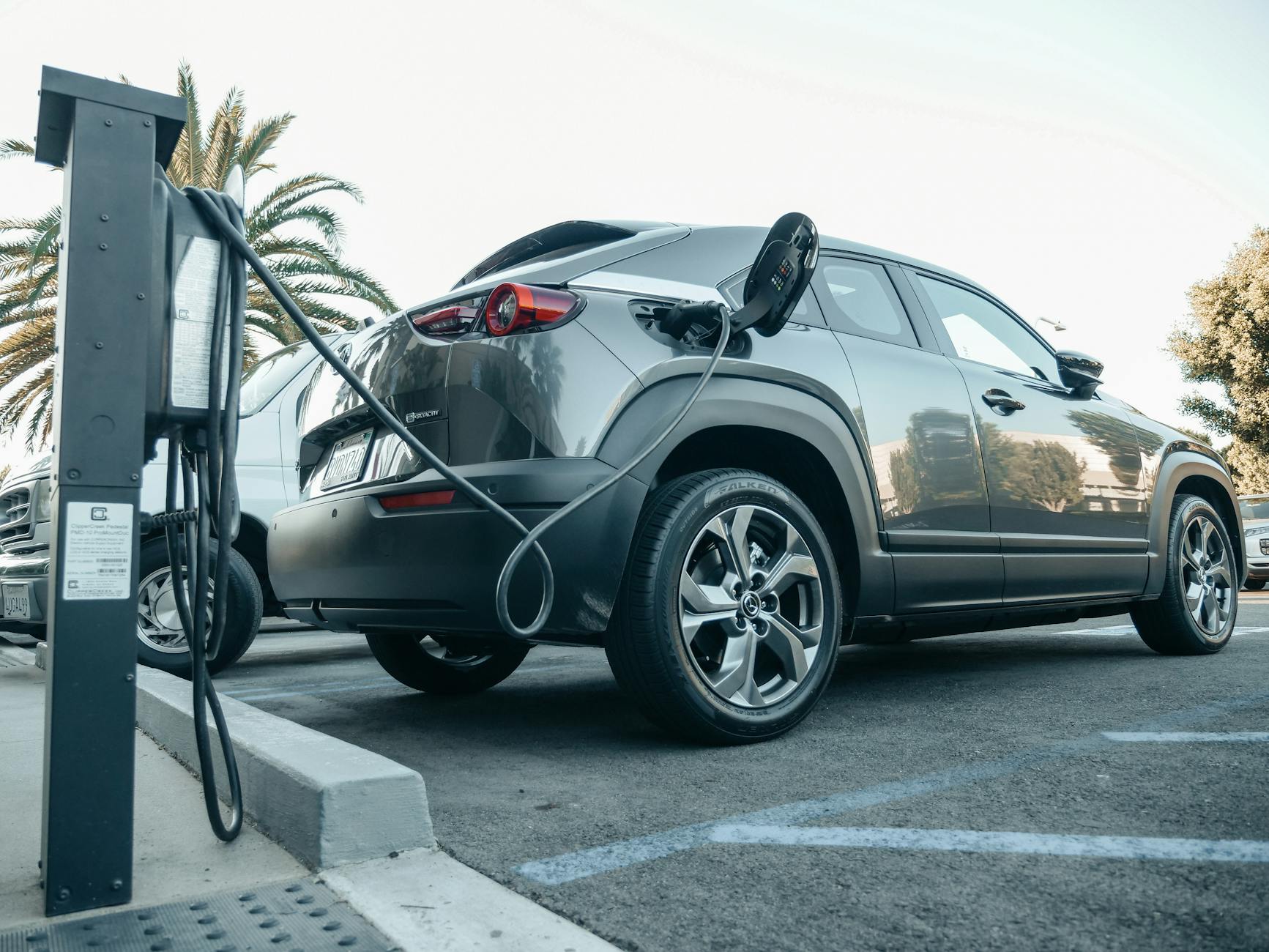
The government's decision to scrap auto protectionism is seen as a major shift toward electric mobility, which is becoming increasingly popular globally. Electric vehicles (EVs) are seen as a cleaner and more environmentally friendly alternative to traditional vehicles, and many countries are offering incentives to encourage their adoption. Pakistan is no exception, and the government hopes that the removal of auto protectionism will attract foreign investment in the EV sector.
While the move is seen as a positive step toward promoting electric mobility, it also raises concerns about the impact on the domestic automotive industry. Many local manufacturers have been reliant on protectionist policies to compete with foreign competitors, and the removal of these policies could lead to job losses and industry disruption. However, the government believes that the long-term benefits of electric mobility will outweigh the short-term costs.
Why This Matters
The shift toward electric mobility is not just a domestic issue, but also has implications for the global automotive industry. According to industry analysts, the global EV market is expected to grow rapidly in the coming years, and manufacturers will need to adapt to this new reality. The removal of auto protectionism in Pakistan is seen as a significant development in this regard, as it will provide a testing ground for the adoption of EVs in a developing country. This could have important implications for the global automotive industry, as it will provide valuable insights into the challenges and opportunities of promoting electric mobility in emerging markets.
The shift toward electric mobility also has broader implications for the energy policy of Pakistan. The country has been facing significant energy shortages in recent years, and the adoption of EVs could help reduce demand for fossil fuels and promote the use of renewable energy sources. However, the government will need to put in place policies to support the adoption of EVs, such as investing in charging infrastructure and providing incentives for consumers to buy electric vehicles.
The government's decision to scrap auto protectionism is also seen as a significant development for the automotive industry as a whole. The industry has been facing significant challenges in recent years, including declining sales and increasing competition from foreign manufacturers. The removal of auto protectionism could help level the playing field and promote competition, which could lead to better products and services for consumers. However, it also raises concerns about the impact on local manufacturers, who may struggle to compete with foreign competitors.
What It Means for the Industry
The removal of auto protectionism in Pakistan is expected to have significant implications for the automotive industry, including the adoption of electric mobility and the promotion of competition. The government's decision to scrap protectionism is seen as a positive step toward promoting electric mobility, which is becoming increasingly popular globally. Electric vehicles are seen as a cleaner and more environmentally friendly alternative to traditional vehicles, and many countries are offering incentives to encourage their adoption.
The shift toward electric mobility also has implications for the energy policy of Pakistan. The country has been facing significant energy shortages in recent years, and the adoption of EVs could help reduce demand for fossil fuels and promote the use of renewable energy sources. However, the government will need to put in place policies to support the adoption of EVs, such as investing in charging infrastructure and providing incentives for consumers to buy electric vehicles.
The government's decision to scrap auto protectionism is also seen as a significant development for the automotive industry as a whole. The industry has been facing significant challenges in recent years, including declining sales and increasing competition from foreign manufacturers. The removal of auto protectionism could help level the playing field and promote competition, which could lead to better products and services for consumers. However, it also raises concerns about the impact on local manufacturers, who may struggle to compete with foreign competitors.
What Happens Next
The removal of auto protectionism in Pakistan is expected to have significant implications for the automotive industry, including the adoption of electric mobility and the promotion of competition. The government's decision to scrap protectionism is seen as a positive step toward promoting electric mobility, which is becoming increasingly popular globally. Electric vehicles are seen as a cleaner and more environmentally friendly alternative to traditional vehicles, and many countries are offering incentives to encourage their adoption.
The shift toward electric mobility also has implications for the energy policy of Pakistan. The country has been facing significant energy shortages in recent years, and the adoption of EVs could help reduce demand for fossil fuels and promote the use of renewable energy sources. However, the government will need to put in place policies to support the adoption of EVs, such as investing in charging infrastructure and providing incentives for consumers to buy electric vehicles.
The government's decision to scrap auto protectionism is also seen as a significant development for the automotive industry as a whole. The industry has been facing significant challenges in recent years, including declining sales and increasing competition from foreign manufacturers. The removal of auto protectionism could help level the playing field and promote competition, which could lead to better products and services for consumers. However, it also raises concerns about the impact on local manufacturers, who may struggle to compete with foreign competitors.
The full announcement from the government's Ministry of Industries is available online, where industry stakeholders can learn more about the policy change and its implications for the automotive industry.
However, not everyone is convinced that the removal of auto protectionism is the right move for Pakistan. Critics argue that the policy change could lead to job losses and industry disruption, particularly in the short term. They also point out that the government has not provided sufficient support for local manufacturers to adapt to the new reality, which could make it difficult for them to compete with foreign competitors.
Despite these concerns, the government is confident that the removal of auto protectionism will have significant benefits for the automotive industry and the broader economy. They argue that the adoption of electric mobility will help reduce the country's reliance on fossil fuels and promote the use of renewable energy sources, which will have significant long-term benefits for the environment and the economy.
The shift toward electric mobility is not just a domestic issue, but also has implications for the global automotive industry. According to recent data, the global EV market is expected to grow rapidly in the coming years, and manufacturers will need to adapt to this new reality. The removal of auto protectionism in Pakistan is seen as a significant development in this regard, as it will provide a testing ground for the adoption of EVs in a developing country.


