
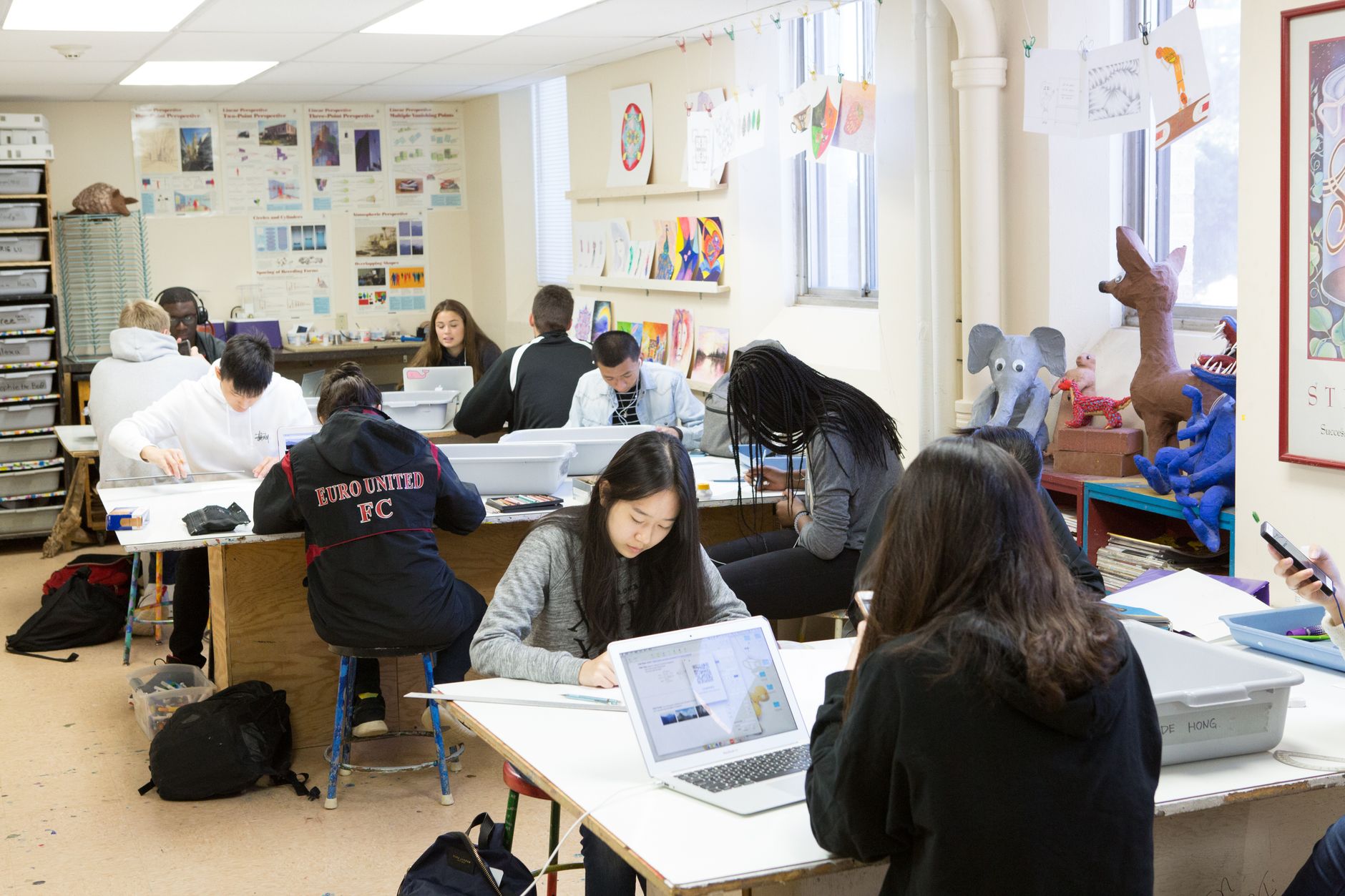
Imagine a classroom where the buzz of laptops is replaced by the quiet hum of pens, and the usual swipe‑right on a chatbot is swapped for a good old‑fashioned discussion. That’s the new reality for millions of New York City students, as the Department of Education rolls out a sweeping ban on artificial‑intelligence tools for anyone in kindergarten through eighth grade. The decision has ignited fierce conversations among teachers, parents, tech companies, and policymakers about what it means to teach in an AI‑infused world.
What's Going On
According to NYC schools ban AI through eighth grade, the new rule prohibits students from using generative AI platforms—think ChatGPT, Claude, or any AI‑driven writing assistant—during classwork, homework, and assessments. The policy also requires teachers to remove AI‑enabled applications from school‑issued devices, effectively turning many classrooms back to pre‑AI tools.
The move follows a year‑long pilot in several districts where educators reported both excitement and anxiety. While some teachers praised AI for helping struggling readers and providing quick feedback, others warned that unchecked use could erode critical thinking, inflate grades, and widen the digital divide between schools with robust tech support and those without.
Implementation details are meticulous: any AI‑generated content must be clearly labeled, and students caught using prohibited tools could face disciplinary action. The Department also plans to provide professional development for teachers to spot AI‑generated work and to integrate ethical tech discussions into the curriculum.
Why This Matters
Industry analysts note that the policy could set a national precedent, influencing how other large school districts approach AI governance. As AI tools become ubiquitous in everyday life, the education sector is one of the few remaining frontlines where the technology’s impact is still being debated in real time.
The broader picture touches on equity. Critics argue that banning AI may disadvantage students who rely on assistive technologies for learning differences, while proponents claim it protects those who lack access to high‑quality tutoring and could otherwise fall behind. The policy forces a reckoning with how we define “fair” learning environments in an era where a single click can produce an essay, a poem, or a code snippet.
Students, parents, and educators are all directly affected. For students, the ban means re‑learning how to research, synthesize, and write without the safety net of AI. Parents must navigate new homework expectations, and teachers are tasked with redesigning lesson plans that previously leaned on AI for differentiation and speed.
What It Means for the Industry
From a market perspective, the ban creates both challenges and opportunities for ed‑tech companies. Vendors that built AI‑centric products for K‑12 now face a sudden loss of a massive customer base, prompting rapid pivots toward older grades or supplementary tools that comply with the new rules. Conversely, firms specializing in AI detection, plagiarism checking, and digital citizenship curricula see a surge in demand as schools scramble to enforce the policy.
Strategically, the decision underscores the importance of responsible AI design. Companies that embed robust transparency features—like clear provenance tags or built‑in usage logs—will be better positioned to adapt to stricter regulations. The policy also amplifies the call for “human‑in‑the‑loop” solutions, where AI assists teachers without replacing the critical judgment that educators bring to the classroom.
Furthermore, the ban may accelerate research into alternative pedagogical models that blend low‑tech approaches with high‑impact, teacher‑led instruction. As schools explore ways to teach critical thinking without leaning on AI, we could see a renaissance of project‑based learning, Socratic dialogue, and collaborative problem‑solving that prioritize depth over speed.
In the background, the conversation about AI ethics is gaining momentum. Astra: OpenAI's Most Valuable Capability highlights how even the most advanced models are being filtered for safety, suggesting that regulatory frameworks may soon extend beyond schools into broader public usage.
What Happens Next
Looking ahead, the Department of Education has promised a review of the policy after the 2024‑25 school year, with the possibility of phased re‑introduction of AI tools for higher grades if clear safeguards are in place. Stakeholders are already lobbying for amendments that would allow AI‑assisted learning for students with documented disabilities, arguing that a blanket ban could unintentionally marginalize those who need it most.
The full announcement provides detailed guidelines on compliance timelines, teacher training modules, and resources for parents. As districts begin to enforce the rule, we can expect a wave of legal challenges, community forums, and perhaps even pilot programs that test hybrid models—allowing limited AI use under strict supervision.
In the meantime, the conversation is far from settled. Whether the ban will ultimately protect the integrity of learning or stifle innovation remains to be seen. What is clear, however, is that the dialogue sparked by NYC’s bold step will reverberate across the nation, shaping how we think about technology, equity, and the future of education for years to come.


