
What's Going On
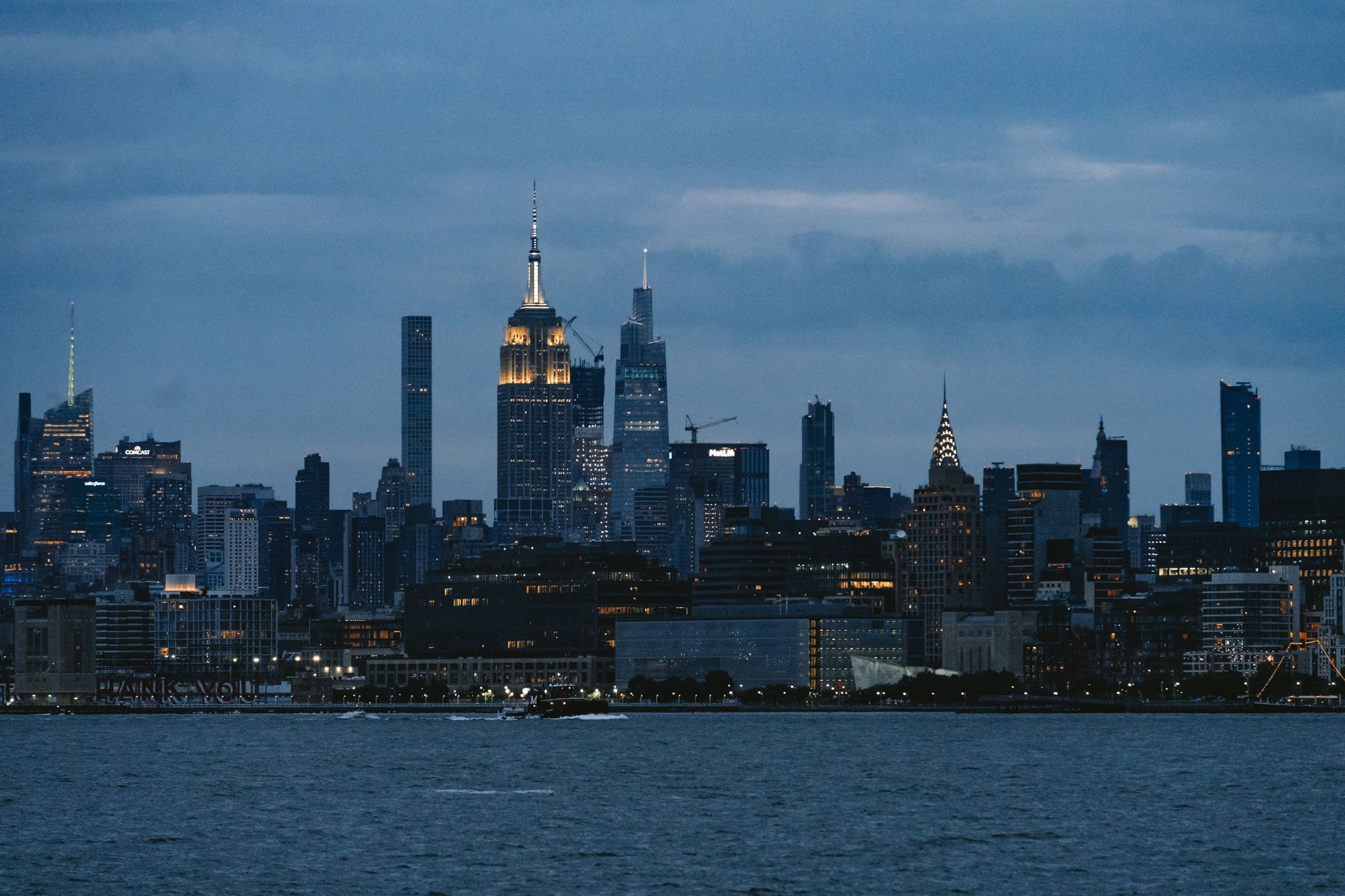
The data center industry is on the cusp of a major shift, with New York potentially becoming the first state to implement a temporary ban on large data centers. According to TechRadar reports, the move is aimed at addressing concerns over energy consumption, power outages, and the economic benefits of hosting large data centers. The proposal has sparked heated debates among industry stakeholders, with some arguing that it's a necessary step to mitigate the environmental impact of data centers, while others see it as an overreach of government authority.
At the heart of the controversy lies the question of how to balance the benefits of data centers, such as job creation and economic growth, with the costs of their operation, including energy consumption and infrastructure strain. New York's proposed ban is not a blanket prohibition but rather a temporary measure aimed at giving the state time to reassess its data center strategy and explore more sustainable options. The move has significant implications for the data center industry, which has been rapidly expanding in recent years, driven by the growing demand for cloud computing and digital storage.
As the debate rages on, it's essential to consider the broader context in which this proposal has emerged. The rise of data centers has been accompanied by growing concerns over energy consumption, e-waste, and the environmental impact of large-scale infrastructure projects. The data center industry has been criticized for its carbon footprint, with some estimates suggesting that data centers account for up to 1% of global electricity consumption.
Why This Matters
The proposed ban on large data centers in New York highlights the growing scrutiny of the tech industry and its impact on the environment. Industry analysts note that the move is a sign of a broader shift towards more sustainable and responsible tech practices. As Macworld reports, consumers are increasingly demanding more transparency and accountability from tech companies, pushing them to adopt more environmentally friendly practices.
The impact of the proposed ban extends beyond New York, with implications for the data center industry and tech giants worldwide. The move could set a precedent for other states and countries to follow suit, potentially leading to a more significant shift in the way data centers are designed, built, and operated. The ban also highlights the need for more effective regulations and standards to govern the data center industry, ensuring that it operates in a sustainable and responsible manner.
The proposed ban is not just about data centers; it's also about the future of cloud computing and the role of Big Tech in shaping our digital landscape. As consumers, we're increasingly reliant on cloud services for our daily lives, from social media to online storage. However, this reliance comes with a cost, including the environmental impact of data centers and the potential risks associated with large-scale data storage.
What It Means for the Industry
The proposed ban on large data centers in New York has significant implications for the industry, including the need for more sustainable and responsible practices. The move could lead to a shift towards more decentralized and distributed data storage solutions, potentially reducing the carbon footprint of data centers. The ban also highlights the need for more effective regulations and standards to govern the data center industry, ensuring that it operates in a sustainable and responsible manner.
The ban could also have a strategic impact on the data center industry, with potential winners and losers emerging in the short term. Companies that have invested heavily in large data centers may face significant challenges in adapting to the new regulations, potentially leading to a decline in their market value. On the other hand, companies that have focused on more sustainable and responsible practices may emerge as winners, capitalizing on the growing demand for eco-friendly tech solutions.
The proposed ban is a wake-up call for the data center industry, highlighting the need for more sustainable and responsible practices. As the industry adapts to the new regulations, it's essential to consider the broader implications for the future of cloud computing and the role of Big Tech in shaping our digital landscape.
What Happens Next
The fate of the proposed ban on large data centers in New York is still uncertain, with the state government expected to make a final decision in the coming months. According to The Guardian reports, the move has sparked a heated debate among industry stakeholders, with some arguing that it's a necessary step to mitigate the environmental impact of data centers. The full announcement of the ban's fate is expected to shed more light on the implications for the data center industry and tech giants worldwide.
The proposed ban is a significant development in the ongoing debate over the impact of the tech industry on the environment. As consumers, we're increasingly demanding more transparency and accountability from tech companies, pushing them to adopt more environmentally friendly practices. The ban could set a precedent for other states and countries to follow suit, potentially leading to a more significant shift in the way data centers are designed, built, and operated.
The future of cloud computing and the role of Big Tech in shaping our digital landscape are uncertain, but one thing is clear: the proposed ban on large data centers in New York marks a turning point in the industry's relationship with sustainability and responsibility.
Conclusion
The proposed ban on large data centers in New York highlights the growing scrutiny of the tech industry and its impact on the environment. The move is a sign of a broader shift towards more sustainable and responsible tech practices, with implications for the data center industry and tech giants worldwide. As consumers, we're increasingly demanding more transparency and accountability from tech companies, pushing them to adopt more environmentally friendly practices.
The ban could set a precedent for other states and countries to follow suit, potentially leading to a more significant shift in the way data centers are designed, built, and operated. The future of cloud computing and the role of Big Tech in shaping our digital landscape are uncertain, but one thing is clear: the proposed ban on large data centers in New York marks a turning point in the industry's relationship with sustainability and responsibility.
In conclusion, the proposed ban on large data centers in New York is a significant development in the ongoing debate over the impact of the tech industry on the environment. As we move forward, it's essential to consider the broader implications for the future of cloud computing and the role of Big Tech in shaping our digital landscape.
The ban also highlights the need for more effective regulations and standards to govern the data center industry, ensuring that it operates in a sustainable and responsible manner. As consumers, we're increasingly demanding more transparency and accountability from tech companies, pushing them to adopt more environmentally friendly practices.
The proposed ban is a wake-up call for the data center industry, highlighting the need for more sustainable and responsible practices. As the industry adapts to the new regulations, it's essential to consider the broader implications for the future of cloud computing and the role of Big Tech in shaping our digital landscape.
According to Times Now reports, the ban could also have a significant impact on the cybersecurity landscape, with potential winners and losers emerging in the short term. Companies that have invested heavily in large data centers may face significant challenges in adapting to the new regulations, potentially leading to a decline in their market value. On the other hand, companies that have focused on more sustainable and responsible practices may emerge as winners, capitalizing on the growing demand for eco-friendly tech solutions.


