
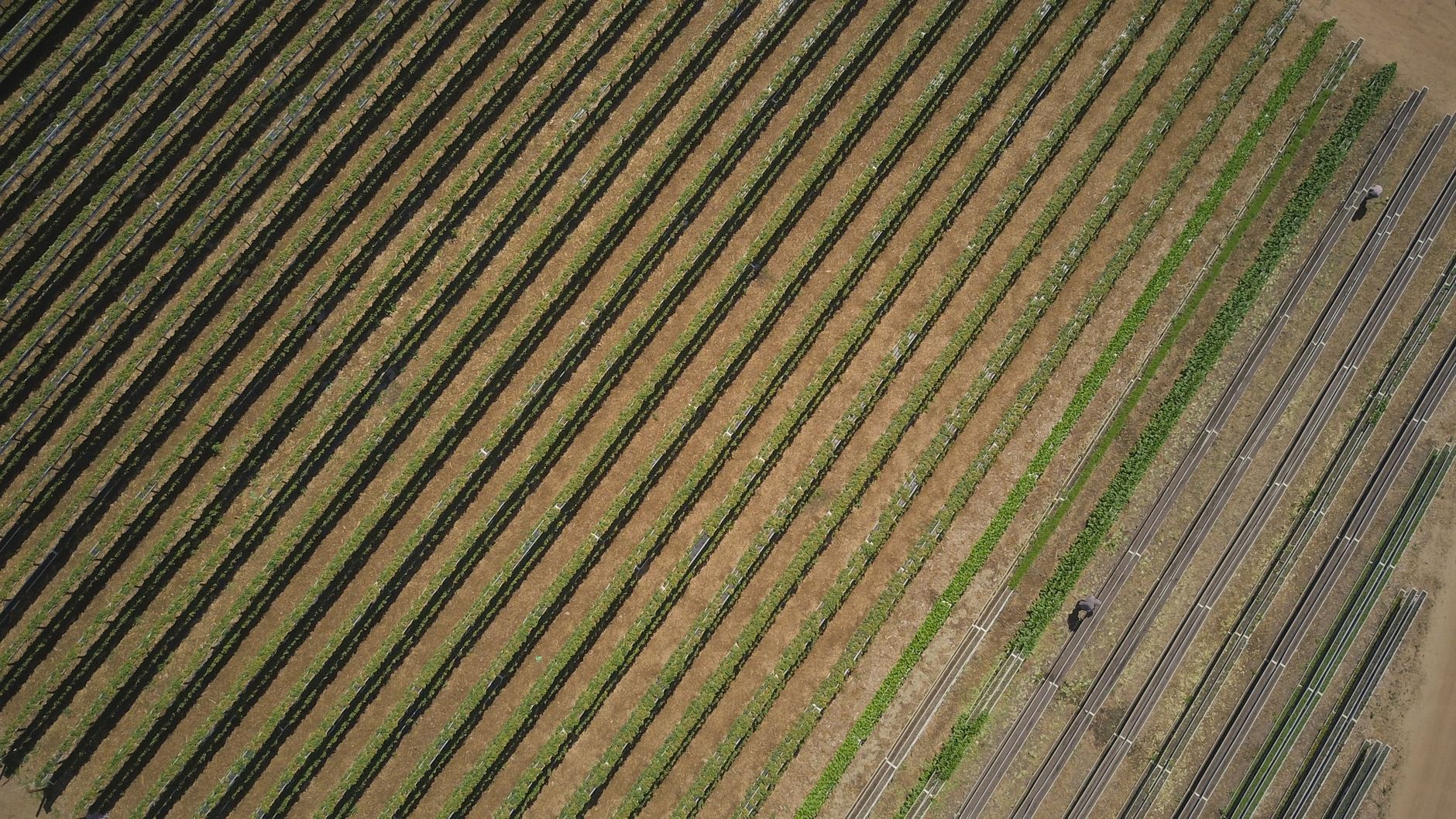
Agriculture is one of the most vital sectors in Nigeria, providing employment and food for millions of people. However, the industry has been facing numerous challenges, including low crop yields, limited access to credit, and inadequate infrastructure. To address these challenges, Nelson Boboye's Nela Agro is revolutionizing Western Nigeria's agriculture with artificial intelligence. By leveraging AI and other innovative technologies, Nela Agro is improving crop yields, reducing costs, and increasing efficiency in farming practices.
What's Going On
Nela Agro's innovative approach to agriculture is gaining attention in Nigeria and beyond. Leadership.ng reports that the company is using AI-powered systems to analyze soil conditions, weather patterns, and crop health, enabling farmers to make data-driven decisions and optimize their farming practices. This approach has resulted in significant improvements in crop yields and reductions in costs, making farming more profitable and sustainable for small-scale farmers.
Nela Agro's use of AI in agriculture is part of a broader trend towards digitalization in the sector. With the increasing availability of data and advancements in AI technologies, farmers can now access insights and tools that were previously unavailable to them. This has opened up new opportunities for innovation and growth in agriculture, enabling farmers to improve their productivity and competitiveness in the market.
The impact of Nela Agro's innovative approach to agriculture extends beyond the farming community. By improving crop yields and reducing costs, the company is helping to increase food security and reduce poverty in rural areas. This, in turn, can have positive effects on the broader economy, contributing to economic growth and development in Nigeria.
Why This Matters
The use of AI in agriculture is not limited to Nela Agro or Nigeria. Industry analysts note that the adoption of AI and other digital technologies is transforming the agriculture sector worldwide. With the global population projected to reach 9 billion by 2050, the need for sustainable and efficient farming practices has never been more pressing. By leveraging AI and other innovative technologies, farmers can improve crop yields, reduce waste, and minimize their environmental impact, helping to ensure a food-secure future for generations to come.
The benefits of AI in agriculture extend beyond the farming community. By improving crop yields and reducing costs, AI can help to lower food prices, making healthy and nutritious food more accessible to people around the world. This, in turn, can have positive effects on public health, contributing to reduced rates of hunger and malnutrition, and improved overall well-being.
However, the adoption of AI in agriculture also raises important questions about the future of work and the impact of automation on rural communities. As AI and other digital technologies continue to transform the sector, it is essential to consider the potential consequences for farmers, farm workers, and other stakeholders, and to develop strategies that support their adaptation to these changes.
What It Means for the Industry
Nela Agro's innovative approach to agriculture is part of a broader trend towards digitalization in the sector. With the increasing availability of data and advancements in AI technologies, farmers can now access insights and tools that were previously unavailable to them. This has opened up new opportunities for innovation and growth in agriculture, enabling farmers to improve their productivity and competitiveness in the market.
The impact of digitalization on the agriculture sector will be significant, with potential benefits including improved crop yields, reduced costs, and increased efficiency in farming practices. However, the adoption of AI and other digital technologies also raises important questions about the future of work and the impact of automation on rural communities. As the sector continues to evolve, it is essential to consider the potential consequences of these changes and to develop strategies that support the adaptation of farmers, farm workers, and other stakeholders.
One of the key challenges facing the agriculture sector is the need for greater investment in digital infrastructure. With many rural areas lacking access to reliable internet and other digital technologies, it can be difficult for farmers to access the insights and tools they need to improve their farming practices. To address this challenge, governments, companies, and other stakeholders must work together to invest in digital infrastructure and support the development of innovative technologies that can help to transform the sector.
What Happens Next
As Nela Agro continues to revolutionize Western Nigeria's agriculture with AI, the company is likely to face new challenges and opportunities. the full announcement from the company's CEO highlights the importance of innovation and adaptability in the face of uncertainty, and the need for businesses to move quickly to capitalize on new opportunities. By continuing to invest in AI and other innovative technologies, Nela Agro is well-positioned to drive growth and success in the agriculture sector, both in Nigeria and beyond.
Looking ahead, it is likely that we will see increased adoption of AI and other digital technologies in the agriculture sector. As the sector continues to evolve, it is essential to consider the potential consequences of these changes and to develop strategies that support the adaptation of farmers, farm workers, and other stakeholders. By working together to invest in digital infrastructure and support the development of innovative technologies, we can help to ensure a food-secure future for generations to come.
Finally, the success of Nela Agro's innovative approach to agriculture highlights the importance of collaboration and partnership in driving growth and innovation in the sector. By working together with governments, companies, and other stakeholders, farmers and agricultural businesses can access the insights, tools, and resources they need to improve their farming practices and drive success. As the agriculture sector continues to evolve, it is essential to prioritize collaboration and partnership, and to support the development of innovative technologies that can help to transform the sector. For more information on similar initiatives, you can visit the website of organizations that are working to drive positive change in the agriculture sector.


