
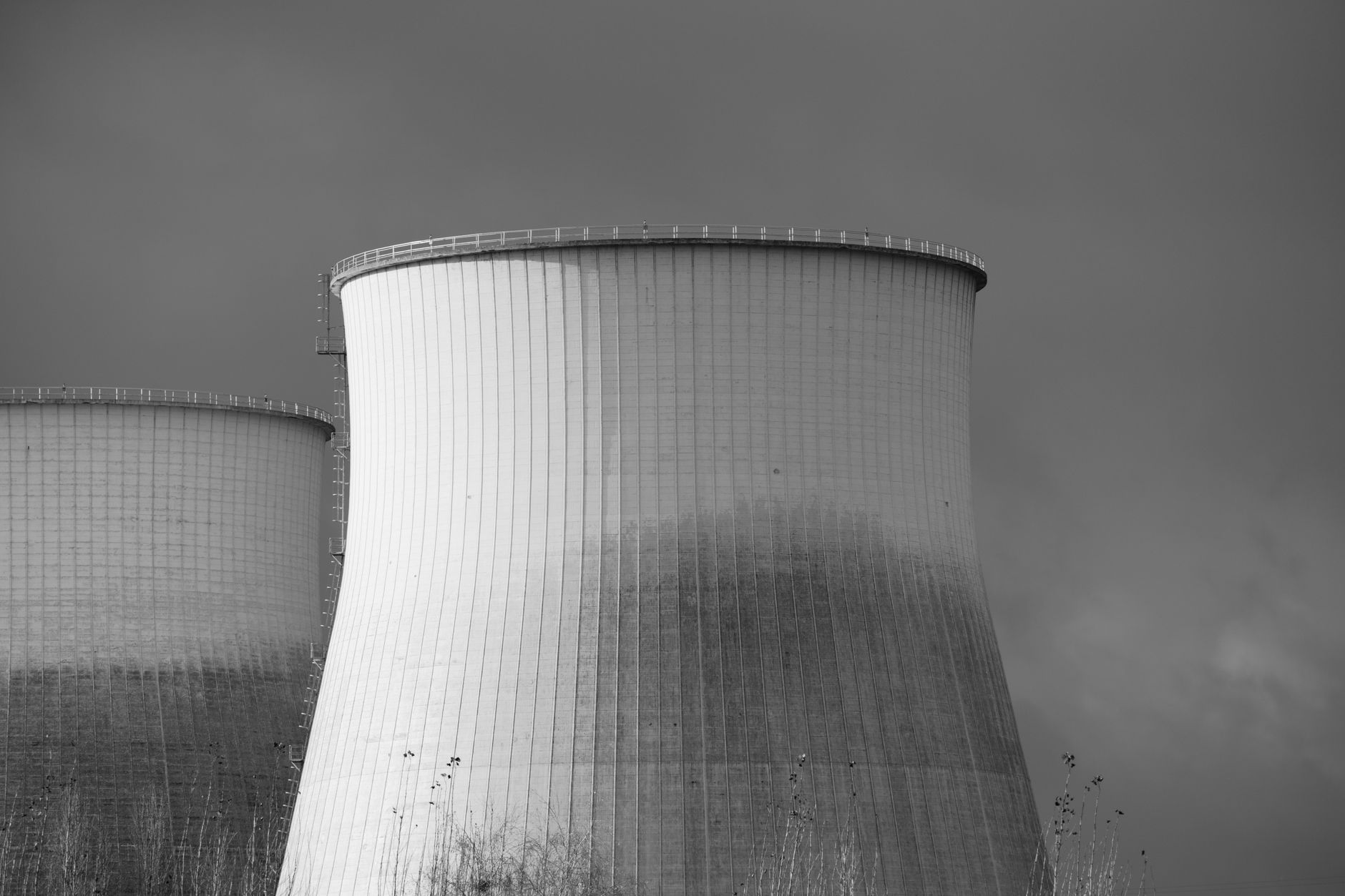
Imagine a future where a compact nuclear reactor powers a remote town, a data center, or even a large offshore platform. The promise of small modular reactors (SMRs) is a cleaner, more flexible energy source that could reshape the grid. But as these reactors shrink in size, they often grow in digital complexity, opening new doors for cyber adversaries. That’s why a coalition of U.S. national laboratories has turned its keen analytical eye toward the cyber‑security landscape surrounding SMRs, aiming to safeguard the next generation of nuclear power.
What's Going On
In a recent briefing, researchers from the Department of Energy’s national labs outlined a comprehensive threat‑assessment program targeting the unique cyber vulnerabilities of smaller nuclear reactors. The effort builds on decades of experience protecting large‑scale nuclear facilities, but the shift to modular, often remotely operated units demands fresh tactics. National labs eye cybersecurity threats as they map out potential attack vectors ranging from supply‑chain compromises to insider threats and ransomware targeting reactor control systems.
SMRs differ from traditional reactors in several key ways that affect their security posture. First, many designs are intended for rapid deployment and can be sited in diverse locations—industrial parks, military bases, or even on ships. This geographic dispersion means that a one‑size‑fits‑all physical security model no longer applies. Second, the control architecture of many SMRs leans heavily on commercial off‑the‑shelf (COTS) hardware and software, which, while cost‑effective, can inherit known vulnerabilities from the broader IT ecosystem. Finally, the operational model often includes remote monitoring and management, a feature that, while convenient, expands the attack surface to any network that can reach the reactor’s supervisory control and data acquisition (SCADA) systems.
The labs’ approach is three‑pronged: first, they conduct red‑team exercises that simulate sophisticated cyber‑attacks against testbeds replicating SMR control environments. Second, they partner with industry vendors to audit firmware, communication protocols, and third‑party libraries for hidden backdoors. Third, they develop a set of best‑practice guidelines—ranging from hardened network segmentation to continuous integrity monitoring—that can be rolled out across the nascent SMR supply chain. The goal isn’t just to patch holes; it’s to embed a security‑by‑design mindset from the earliest engineering stages.
Why This Matters
The stakes are high. A successful cyber intrusion into an SMR could lead to a cascade of consequences: loss of power to critical infrastructure, release of radioactive material, or even a geopolitical flashpoint if an adversary targets a reactor in a politically sensitive region. Quantum Secure Encryption Corp.: QSE Ann highlights that the broader energy sector is already feeling pressure to adopt post‑quantum cryptography, underscoring how quickly the threat landscape evolves.
Beyond the immediate safety concerns, there’s an economic dimension. The global SMR market is projected to exceed $30 billion by 2035, with private investors and utilities eager to lock in early contracts. Any high‑profile cyber incident could erode investor confidence, delay licensing, and push regulatory bodies to impose stricter compliance frameworks—costs that would ultimately be passed on to ratepayers. Moreover, the United States aims to maintain its leadership in nuclear technology; falling behind on cyber resilience could cede that edge to nations that prioritize secure, export‑ready designs.
Stakeholders across the spectrum feel the ripple effect. Regulators such as the Nuclear Regulatory Commission (NRC) will need to update licensing criteria to include robust cyber‑risk assessments. Utility operators must train their workforce not just in reactor physics but also in cyber hygiene. And local communities, often the first line of emergency response, will require clear communication plans that integrate cyber incident protocols with traditional safety drills.
What It Means for the Industry
For manufacturers, the labs’ findings translate into a clear mandate: security can no longer be an afterthought. Design teams are being urged to adopt secure development life cycles (SDLC) that incorporate threat modeling from concept through commissioning. This shift may initially raise development costs, but it also opens new market opportunities for vendors specializing in hardened control hardware, encrypted communications, and real‑time anomaly detection.
One practical implication is the growing relevance of zero‑trust networking within nuclear facilities. Instead of trusting devices simply because they sit behind a perimeter firewall, each component—sensor, actuator, or remote workstation—must prove its identity and integrity before gaining access. Implementing micro‑segmentation and continuous verification can dramatically reduce the risk of lateral movement should an attacker breach the outer defenses.
Another emerging trend is the integration of advanced logging and analytics. By capturing granular telemetry from reactor control systems and feeding it into machine‑learning models, operators can spot subtle deviations that may indicate a cyber intrusion. The Department of Homeland Security’s Cybersecurity and Infrastructure Security Agency (CISA) recently released guidance on logging best practices, which, although aimed at federal agencies, offers a solid blueprint for the nuclear sector. CISA’s logging guidance works beyond gov and can be adapted to meet the stringent audit requirements of nuclear operators.
Strategically, the labs’ work encourages a collaborative ecosystem. Public‑private partnerships can accelerate the development of standardized security frameworks, while shared testbeds allow smaller vendors to validate their products against realistic attack scenarios without the prohibitive cost of building full‑scale reactors. This cooperative model mirrors successful initiatives in the aerospace sector, where joint security exercises have raised the baseline resilience across the entire supply chain.
What Happens Next
The roadmap ahead is both ambitious and urgent. Over the next 12‑18 months, the national labs plan to release a series of technical white papers detailing specific mitigation strategies for identified vulnerabilities. Simultaneously, they will host a series of workshops with SMR developers, utilities, and cyber‑security firms to translate research findings into actionable policies. Your Xfinity Wi‑Fi can see you now serves as a reminder that even everyday consumer devices can be leveraged in sophisticated attacks, reinforcing the need for holistic security awareness.
In the longer term, the labs envision a certification program akin to the Federal Risk and Authorization Management Program (FedRAMP) but tailored for nuclear control systems. Such a program would provide a clear, repeatable pathway for vendors to demonstrate compliance with cyber‑security standards, streamlining the licensing process for new SMR projects.
Ultimately, the success of this initiative will hinge on sustained investment, cross‑sector dialogue, and a cultural shift that treats cyber‑risk as an integral component of nuclear safety. As the world leans more heavily on low‑carbon energy sources, ensuring that the digital backbone of our reactors is as robust as the physical containment structures is not just a technical challenge—it’s a societal imperative.


