
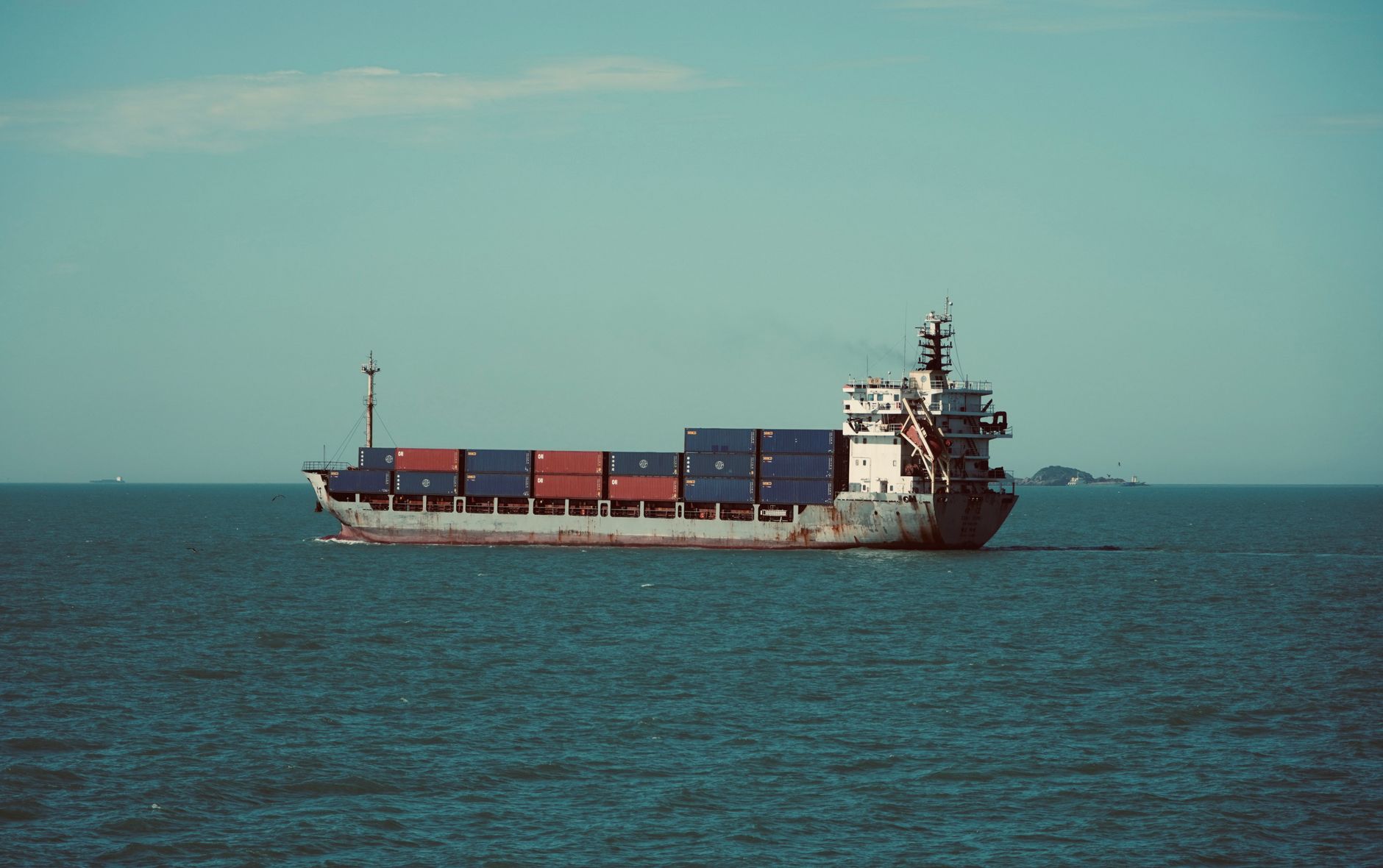
The maritime sector, a crucial component of global trade and commerce, is navigating a complex landscape as it adopts artificial intelligence (AI) to enhance efficiency, safety, and environmental sustainability. According to a recent report, the industry is taking a cautious approach to AI adoption, prioritizing safety and mitigating risks associated with job displacement and cyber threats.
What's Going On
The maritime sector has been rapidly modernizing, driven by advancements in technology and the need for increased efficiency and sustainability. AI, with its potential to automate tasks, enhance decision-making, and improve operations, has become a key focus area for the industry. However, the adoption of AI is not without its challenges, and the sector is grappling with concerns about job displacement, data security, and the reliability of AI systems.
Shipowners and operators are investing heavily in AI-powered solutions, such as predictive maintenance, route optimization, and smart cargo management. These technologies have the potential to significantly improve operational efficiency, reduce costs, and enhance safety. For instance, AI-powered predictive maintenance can help detect potential equipment failures, enabling proactive maintenance and reducing the risk of accidents.
However, the industry is also aware of the potential risks associated with AI adoption, including the displacement of jobs and the need for skilled workers to manage and maintain AI systems. To mitigate these risks, the sector is focusing on upskilling and reskilling existing workforce, as well as investing in education and training programs to prepare the next generation of maritime professionals.
Why This Matters
The maritime industry's cautious approach to AI adoption is reflective of the wider industry trends and concerns. Industry analysts note that the integration of AI in various industries is not without its challenges, and the need for careful planning, risk assessment, and mitigation strategies is crucial for successful adoption.
The maritime sector's focus on safety and sustainability is also driven by the need to meet increasingly stringent regulations and environmental standards. The International Maritime Organization (IMO) has set ambitious targets for reducing greenhouse gas emissions from shipping, and the industry is exploring various solutions, including the use of renewable energy sources and cleaner fuels.
The adoption of AI in the maritime sector has significant implications for the broader industry, including shipowners, operators, and suppliers. It requires a collaborative approach, with stakeholders working together to develop and implement AI-powered solutions that meet the needs of the industry while addressing concerns about job displacement and cyber threats.
What It Means for the Industry
The adoption of AI in the maritime sector has significant implications for the industry, including the potential for increased efficiency, improved safety, and enhanced sustainability. However, it also requires careful planning, risk assessment, and mitigation strategies to address concerns about job displacement and cyber threats. The industry must invest in education and training programs to prepare the next generation of maritime professionals and ensure a smooth transition to an AI-driven workforce.
The maritime sector's focus on sustainability is also driving innovation in the industry, with companies exploring various solutions to reduce greenhouse gas emissions and meet increasingly stringent environmental standards. The use of renewable energy sources, cleaner fuels, and energy-efficient technologies is becoming increasingly important, and AI is playing a key role in optimizing energy consumption and reducing emissions.
The industry's cautious approach to AI adoption is reflective of the wider industry trends and concerns, and it requires a collaborative approach, with stakeholders working together to develop and implement AI-powered solutions that meet the needs of the industry while addressing concerns about job displacement and cyber threats.
What Happens Next
The maritime sector's adoption of AI is a complex and ongoing process, with various stakeholders investing in education, training, and infrastructure development. The industry must continue to address concerns about job displacement and cyber threats, while also exploring opportunities for innovation and growth. As the industry navigates this landscape, it is essential to prioritize safety, sustainability, and efficiency, and to develop strategies that balance the needs of different stakeholders.
The future of the maritime sector relies on its ability to adapt to changing technologies, regulations, and market conditions. AI is a key enabler of this transformation, and the industry must continue to invest in education, training, and infrastructure development to ensure a smooth transition to an AI-driven workforce. The sector's focus on sustainability is also driving innovation, and AI is playing a key role in optimizing energy consumption and reducing emissions.
As the industry continues to evolve, it is essential to prioritize collaboration, innovation, and risk management. By working together, stakeholders can develop and implement AI-powered solutions that meet the needs of the industry while addressing concerns about job displacement and cyber threats. The maritime sector's cautious approach to AI adoption is a reflection of its commitment to safety, sustainability, and efficiency, and it is essential to continue this focus as the industry navigates the complexities of AI adoption.
The maritime sector's adoption of AI is a complex and ongoing process, and it requires careful planning, risk assessment, and mitigation strategies. By prioritizing safety, sustainability, and efficiency, and by developing strategies that balance the needs of different stakeholders, the industry can ensure a smooth transition to an AI-driven workforce and continue to thrive in a rapidly changing landscape.
As the industry continues to evolve, it is essential to stay informed about the latest developments and trends in AI adoption. For more information on the maritime sector's adoption of AI, you can read the full announcement or official statement from the industry leaders.
The adoption of AI in the maritime sector has significant implications for the industry, including the potential for increased efficiency, improved safety, and enhanced sustainability. However, it also requires careful planning, risk assessment, and mitigation strategies to address concerns about job displacement and cyber threats. By prioritizing safety, sustainability, and efficiency, and by developing strategies that balance the needs of different stakeholders, the industry can ensure a smooth transition to an AI-driven workforce and continue to thrive in a rapidly changing landscape.
The maritime sector's focus on sustainability is also driving innovation in the industry, with companies exploring various solutions to reduce greenhouse gas emissions and meet increasingly stringent environmental standards. The use of renewable energy sources, cleaner fuels, and energy-efficient technologies is becoming increasingly important, and AI is playing a key role in optimizing energy consumption and reducing emissions.
As the industry continues to evolve, it is essential to prioritize collaboration, innovation, and risk management. By working together, stakeholders can develop and implement AI-powered solutions that meet the needs of the industry while addressing concerns about job displacement and cyber threats. The maritime sector's cautious approach to AI adoption is a reflection of its commitment to safety, sustainability, and efficiency, and it is essential to continue this focus as the industry navigates the complexities of AI adoption.
The adoption of AI in the maritime sector has significant implications for the industry, including the potential for increased efficiency, improved safety, and enhanced sustainability. However, it also requires careful planning, risk assessment, and mitigation strategies to address concerns about job displacement and cyber threats. By prioritizing safety, sustainability, and efficiency, and by developing strategies that balance the needs of different stakeholders, the industry can ensure a smooth transition to an AI-driven workforce and continue to thrive in a rapidly changing landscape.
The maritime sector's focus on sustainability is also driving innovation in the industry, with companies exploring various solutions to reduce greenhouse gas emissions and meet increasingly stringent environmental standards. The use of renewable energy sources, cleaner fuels, and energy-efficient technologies is becoming increasingly important, and AI is playing a key role in optimizing energy consumption and reducing emissions.
As the industry continues to evolve, it is essential to stay informed about the latest developments and trends in AI adoption. For more information on the maritime sector's adoption of AI, you can read about the Health Sensors Market Trends driving wearable health monitoring innovations.
The adoption of AI in the maritime sector has significant implications for the industry, including the potential for increased efficiency, improved safety, and enhanced sustainability. However, it also requires careful planning, risk assessment, and mitigation strategies to


