
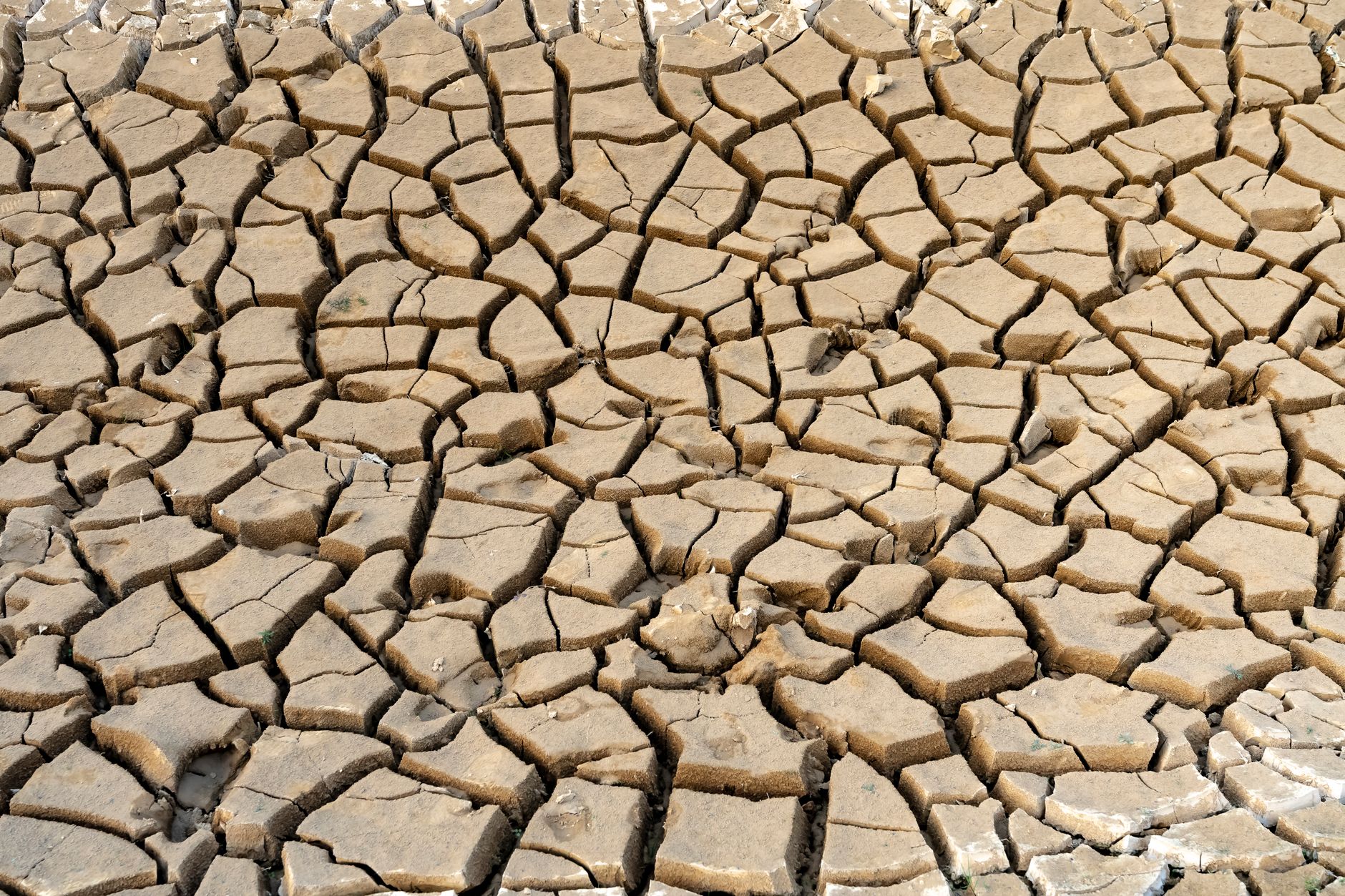
The US is on the cusp of an AI revolution, with a plethora of new datacenters being built to support the growing demand for artificial intelligence. However, there's a concerning trend emerging - a majority of these new AI datacenters are being constructed on lands plagued by drought, raising red flags about the environmental impact and water conservation.
What's Going On
According to reports from the New York Times, a significant number of these new datacenters are being built in areas that are already struggling with water scarcity. This has led to concerns about the long-term sustainability of these facilities and the potential strain on local water resources.
The drought-hit areas being targeted for datacenter construction include regions in the western United States, where water scarcity is already a significant issue. This has led to worries about the potential impact on local ecosystems and the long-term viability of these facilities.
While the datacenter boom is expected to bring significant economic benefits to the regions where they are being built, it's essential to consider the environmental implications of this trend. As the demand for AI continues to grow, it's crucial that we prioritize sustainability and ensure that these facilities are built with the long-term health of our planet in mind.
Why This Matters
The AI industry is growing at an unprecedented rate, and the demand for datacenter capacity is skyrocketing. However, the environmental impact of these facilities cannot be ignored. Industry analysts note that the AI industry is already responsible for a significant amount of greenhouse gas emissions, and the construction of new datacenters will only exacerbate this issue if not done sustainably.
The implications of this trend extend beyond the environmental impact, however. As datacenters continue to proliferate, there are concerns about the strain on local infrastructure and the potential for water shortages in areas where resources are already scarce.
The drought-hit areas being targeted for datacenter construction are not just random locations - they are often areas with significant economic potential. By prioritizing sustainability and environmental responsibility, we can ensure that the benefits of the datacenter boom are shared equitably and that the long-term health of our planet is protected.
What It Means for the Industry
The shift towards building datacenters on drought-hit lands has significant implications for the industry as a whole. As the demand for AI continues to grow, it's essential that companies prioritize sustainability and environmental responsibility in their operations.
One potential solution is to prioritize water conservation and efficiency in datacenter design and operations. This could involve the use of advanced water-saving technologies, such as water recycling and reuse systems, as well as the adoption of more energy-efficient cooling systems.
Another key consideration is the need for greater transparency and accountability in the datacenter industry. Companies must be transparent about their environmental impact and take steps to mitigate any negative effects. This could involve regular reporting on water usage and greenhouse gas emissions, as well as efforts to reduce waste and promote sustainability.
What Happens Next
As the datacenter boom continues to gain momentum, it's essential that we prioritize sustainability and environmental responsibility. To stay ahead of the curve, companies must adopt innovative solutions that minimize their environmental impact while maximizing their economic benefits.
According to announcements from the Texas Department of Economic Development, the state is gearing up to host a significant number of new datacenters in the coming years. While this is expected to bring significant economic benefits, it's essential that companies prioritize sustainability and environmental responsibility in their operations.
As the datacenter industry continues to evolve, it's crucial that we prioritize the long-term health of our planet. By adopting innovative solutions and prioritizing sustainability, we can ensure that the benefits of the datacenter boom are shared equitably and that the long-term health of our planet is protected.


