
Legacy automakers have long been a staple of the global automotive industry, but it seemed like their days were numbered as newer, more innovative companies began to gain traction. However, in China, a surprising trend is emerging - legacy automakers are fighting back, and they're doing it big time.
What's Going On
According to a recent report from InsideEVs, legacy automakers are experiencing a significant surge in sales in China, with many of these companies posting double-digit growth over the past year. This trend is not limited to just a few companies, but is rather a widespread phenomenon that is affecting the entire industry.
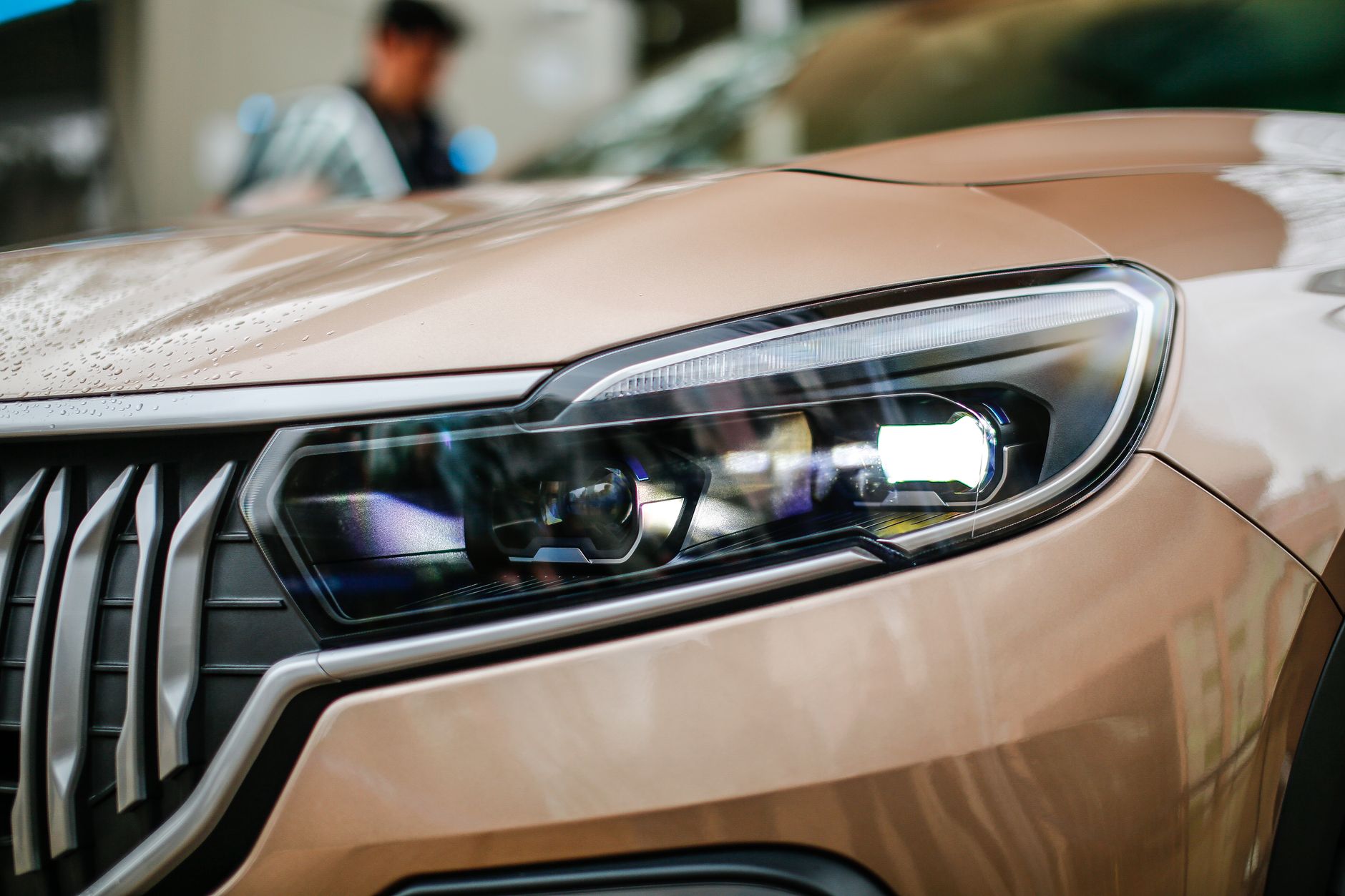
One of the key drivers of this growth is the increasing popularity of electric vehicles (EVs) in China. As governments around the world begin to implement stricter emissions regulations, consumers are starting to demand more environmentally friendly options, and legacy automakers are responding by launching a wave of new EV models. For example, the BAIC B30, a hybrid electric vehicle, has been making waves in China with its impressive performance and stylish design, as highlighted in a recent review by Citizen.
Another factor contributing to the success of legacy automakers in China is their ability to offer a wider range of models and price points, making their vehicles more appealing to a broader audience. This is particularly true for the Chinese market, where consumers are often more price-sensitive than in other parts of the world.
Why This Matters
The resurgence of legacy automakers in China has significant implications for the industry as a whole. As industry analysts note, this trend is a wake-up call for newer companies that may have grown complacent in their success. With legacy automakers once again competing fiercely for market share, the playing field has been leveled, and innovation will be key to success.
The impact of this trend extends beyond the automotive industry itself, with implications for the broader economy and society. As consumers become more environmentally conscious, the demand for sustainable transportation options will only continue to grow, driving innovation and investment in the sector.
Who is affected by this trend? Everyone, from consumers and investors to policymakers and industry stakeholders. As the market continues to evolve, it will be essential for all parties to stay informed and adapt to changing circumstances.
What It Means for the Industry
The resurgence of legacy automakers in China is a clear sign that the industry is entering a new era of competition and innovation. To stay ahead of the curve, companies will need to focus on developing more sustainable, efficient, and appealing products that meet the evolving needs of consumers.
This trend also highlights the importance of adaptability and resilience in the face of changing market conditions. Companies that are able to pivot and respond to new challenges will be well-positioned to succeed, while those that fail to adapt may struggle to stay afloat.
The strategic impact of this trend is significant, with far-reaching implications for the entire industry. As the market continues to evolve, it will be essential for companies to stay flexible, innovate, and respond to changing consumer demands.
What Happens Next
As the industry continues to evolve, one thing is clear: legacy automakers are here to stay. But what does the future hold? To find out, we'll have to wait for the full announcement from the DVSA on major MOT changes that will be coming into effect next week, which will bring new rules for popular vehicles.
One thing is certain, however: the resurgence of legacy automakers in China is a sign of things to come. As the industry continues to evolve, we can expect to see more innovation, more competition, and more exciting developments.
For consumers, investors, and industry stakeholders alike, this trend offers a glimpse into a future that is brighter, more sustainable, and more exciting than ever before.


