
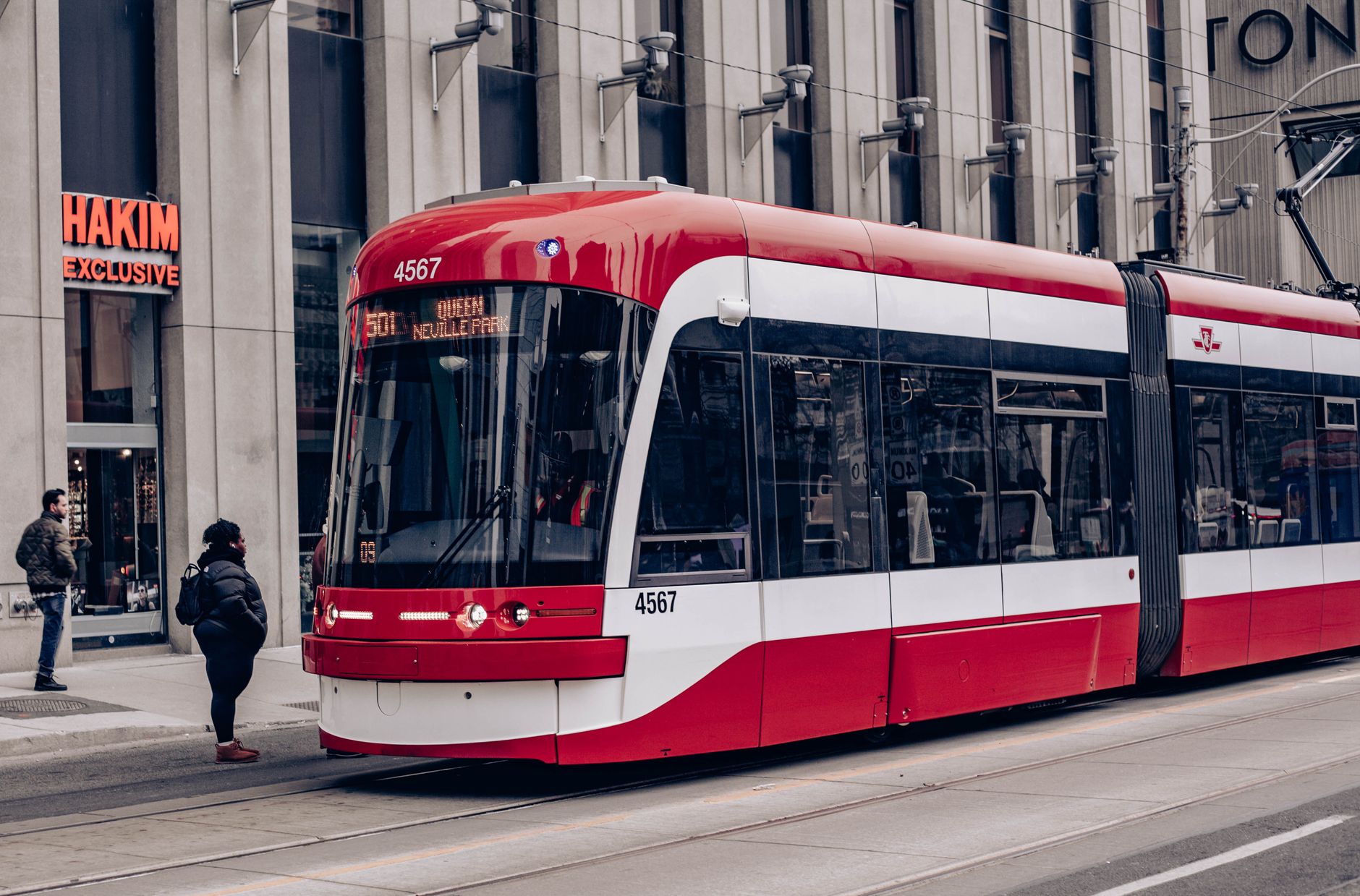
The Toronto Transit Commission (TTC) has long been a symbol of reliable, gritty public transportation in North America. When the agency announced a bold shift to an all‑electric fleet, the city’s commuters and climate advocates cheered. But beneath the fanfare, a cascade of technical glitches, procurement missteps, and operational blind spots turned the project into a cautionary tale that’s now echoing across the continent. In this post, we unpack the messy reality of the TTC’s electric bus experiment, examine why the fallout matters for every city eyeing a greener fleet, and explore what the next chapter might hold for transit agencies worldwide.
What's Going On
The initial rollout was supposed to be a showcase of modern engineering: sleek Proterra electric buses, state‑of‑the‑art battery packs, and a promise of zero‑emission routes downtown. However, as soon as the first vehicles hit the streets, drivers reported unexpected battery drain, software crashes, and a lack of real‑time diagnostic tools. The situation escalated quickly, leading to service interruptions that left riders stranded and sparked a media firestorm. For a detailed chronology, see the investigative piece titled CRACKED: TTC's disastrous electric bus e, which chronicles the timeline from contract signing to the present crisis.
Behind the headlines lies a tangled web of procurement pressure, rushed testing, and a vendor that struggled to meet the TTC’s demanding schedule. The agency signed a multi‑year agreement with Proterra, a U.S. manufacturer that had previously delivered electric buses to smaller markets. Yet the TTC’s operational environment—harsh Canadian winters, steep hill grades, and a high‑frequency service model—proved far more demanding than the conditions under which the buses were originally certified. When the first fleet arrived, the TTC discovered that the battery management system was not calibrated for sub‑zero temperatures, leading to a rapid loss of range and, in some cases, complete shutdowns mid‑route.
Compounding the hardware woes were software integration challenges. The buses relied on a proprietary telematics platform that was supposed to sync with the TTC’s existing dispatch system. In practice, the two systems spoke different “languages,” causing delays in real‑time data exchange and leaving operators blind to emerging faults. Maintenance crews, accustomed to diesel engines, found themselves navigating a new digital landscape without adequate training or documentation. The result was a perfect storm of mechanical, electrical, and procedural failures that quickly spiraled into a public relations nightmare.
Why This Matters
The TTC’s stumble is not an isolated incident; it signals systemic risk for any transit authority attempting a rapid electrification without a robust risk mitigation strategy. According to CRACKED: TTC’s disastrous electric bus e, industry analysts note that the challenges faced by Toronto are emblematic of a broader learning curve as legacy fleets transition to battery power. The stakes are high: billions of dollars in public funds are earmarked for clean transit, and missteps can erode public trust, delay climate goals, and inflate costs.
Beyond the immediate financial fallout, the debacle raises questions about the readiness of supply chains and the maturity of battery technology for large‑scale, high‑frequency transit operations. While electric buses promise lower emissions, their real‑world performance hinges on factors such as battery chemistry, thermal management, and the ability to recharge quickly during tight service windows. If manufacturers cannot guarantee reliability under diverse climatic conditions, cities may find themselves forced back to diesel or hybrid solutions, undermining the momentum of the green transition.
Stakeholders from commuters to municipal budget officers feel the ripple effects. Riders experience longer wait times and reduced confidence in public transport, potentially shifting them toward private vehicles—a setback for congestion and emission targets. Meanwhile, policymakers must grapple with the political fallout of a high‑profile project that appears to have wasted taxpayer money. The TTC case also serves as a cautionary signal to manufacturers: delivering a technically sound product is only half the battle; aligning with the operational realities of each transit system is equally critical.
What It Means for the Industry
From an industry perspective, the TTC episode underscores the necessity of a holistic approach that blends engineering excellence with rigorous field testing. Manufacturers now face pressure to provide not just a vehicle, but a complete ecosystem of support, including adaptive software, climate‑resilient battery packs, and comprehensive training programs. The failure also highlights the importance of transparent data sharing between transit agencies and vendors, enabling real‑time monitoring and rapid issue resolution.
Strategically, the incident may accelerate investment in next‑generation battery technologies that promise higher energy density and better low‑temperature performance. Companies like AM Batteries are already pushing the envelope, as detailed in the report titled AM Batteries Partnered on $50 Million US. Their dry‑coating process could yield batteries that maintain capacity in cold climates, directly addressing one of the TTC’s core pain points. Such advances could restore confidence among transit agencies hesitant to commit large capital expenditures without proven reliability.
Finally, the TTC saga may reshape procurement frameworks. Future contracts are likely to incorporate stricter performance guarantees, staged rollouts with pilot phases, and penalties for non‑compliance. Agencies might also adopt a more collaborative model, co‑developing solutions with manufacturers to ensure that vehicles are tailor‑made for local operating conditions. This shift could foster a more resilient ecosystem where innovation is balanced with pragmatic risk management, ultimately smoothing the path toward a fully electrified public transit network.
What Happens Next
Looking ahead, the TTC has announced a comprehensive review of its electric bus program, including an independent audit and a plan to retrofit existing units with upgraded battery management software. The agency also intends to pilot a smaller batch of next‑generation buses from a different supplier, hoping to avoid the pitfalls that plagued the Proterra rollout. For a broader perspective on how governments are navigating similar transitions, see the editorial China’s electric cars are not Europe’s r, which discusses the global dynamics of electric vehicle adoption and the policy levers that can accelerate or hinder progress.
In the meantime, Toronto commuters can expect a mixed service landscape: some routes will revert to diesel or hybrid buses while the upgraded electric fleet undergoes rigorous testing. The TTC’s leadership has pledged greater transparency, promising monthly updates on performance metrics and corrective actions. This openness may help rebuild public confidence and provide valuable data points for other cities watching the unfolding drama.
Ultimately, the TTC’s experience serves as both a warning and a catalyst. It reminds us that the road to zero‑emission transit is fraught with technical, operational, and political challenges, but it also spurs innovation and collaboration across the industry. As manufacturers refine battery chemistries, software platforms become more interoperable, and agencies adopt smarter procurement practices, the vision of quiet, clean buses gliding through city streets remains within reach—provided we learn from the missteps and double down on resilient, data‑driven solutions.


