
What's Going On
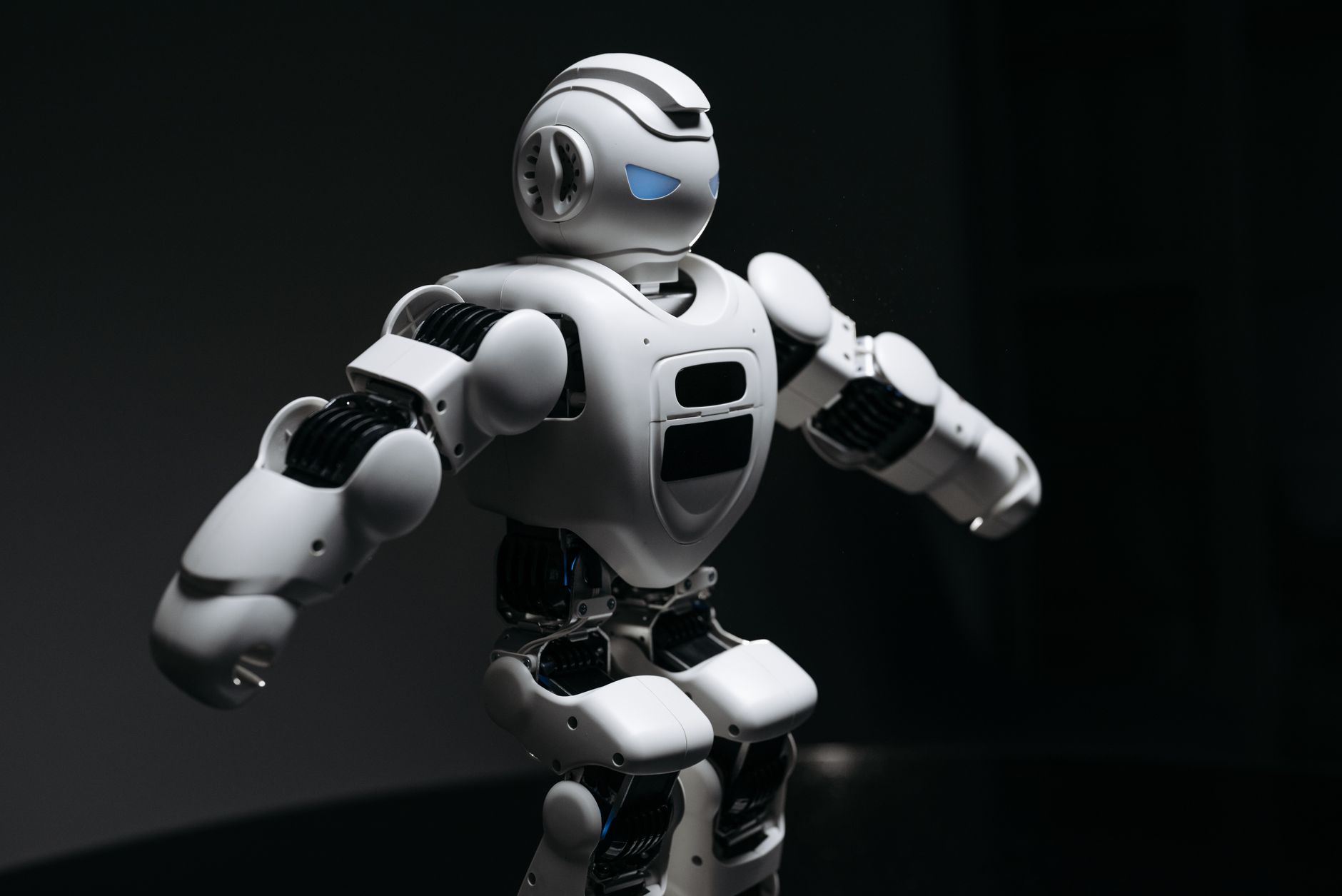
The past few years have seen an unprecedented surge in humanoid robotics research and development in China, with numerous breakthroughs and innovations that have left industry experts and analysts in awe. According to recent reports, China has been aggressively investing in robotics startups, research institutions, and government initiatives, all aimed at creating a new generation of intelligent robots that can perform tasks with precision, speed, and safety.
Chinese companies such as Alibaba, Tencent, and Baidu have been at the forefront of this push, pouring billions of dollars into robotics research and development. They have also established partnerships with top universities and research institutions to accelerate innovation and talent development. The results are already starting to show, with China's humanoid robots being showcased at international trade fairs and exhibitions, impressing visitors with their advanced capabilities and potential applications.
The implications of China's humanoid robotics ambitions are far-reaching, with potential applications in industries such as manufacturing, healthcare, education, and logistics. As robots become increasingly sophisticated, they are poised to transform the way we live and work, freeing humans from mundane tasks and enabling them to focus on higher-value activities that require creativity, empathy, and problem-solving skills.
Why This Matters
Industry analysts note that China's humanoid robotics push is not just a domestic effort, but a strategic move to establish the country as a global leader in robotics and AI. According to recent statements, China's vision for a future with robots and AI at its core is driven by a desire to create a more efficient, productive, and sustainable society. This vision is shared by many experts and policymakers around the world, who see robotics and AI as key enablers of economic growth, social progress, and environmental sustainability.
The bigger picture is that China's humanoid robotics ambitions are part of a broader global trend towards robotics and AI-driven innovation. As countries and companies invest heavily in research and development, we can expect to see more advanced robots and AI systems being developed, deployed, and integrated into various industries and sectors. This will have significant implications for workers, businesses, and governments, who will need to adapt to a future where robots and AI play an increasingly significant role.
The people who will be most affected by China's humanoid robotics push are workers in industries such as manufacturing, logistics, and healthcare. As robots become more advanced and capable, they will likely displace many human workers, at least in certain tasks and functions. However, this displacement will also create new opportunities for workers who have the skills and training to work alongside robots, or to take on new roles that are created by the automation of routine tasks.
What It Means for the Industry
The implications of China's humanoid robotics ambitions are far-reaching, with potential applications in industries such as manufacturing, healthcare, education, and logistics. As robots become increasingly sophisticated, they are poised to transform the way we live and work, freeing humans from mundane tasks and enabling them to focus on higher-value activities that require creativity, empathy, and problem-solving skills.
However, the industry also faces significant challenges and uncertainties. As robots become more advanced, they will also become more complex and difficult to integrate into existing systems and workflows. This will require significant investments in research and development, as well as in training and education for workers who will need to work alongside robots.
Another challenge is the need for more effective regulations and standards to govern the development and deployment of humanoid robots. As robots become more advanced, they will also become more autonomous, and this raises important questions about accountability, safety, and liability. Governments and regulatory bodies will need to work closely with industry stakeholders to establish clear guidelines and standards for the development and deployment of humanoid robots.
What Happens Next
The future of humanoid robotics is exciting and uncertain, with many potential applications and implications for industries and society as a whole. According to recent announcements, the next few years will see significant advancements in humanoid robotics, with more advanced robots being developed and deployed in various industries and sectors.
One of the key drivers of this progress will be the development of more advanced AI and machine learning algorithms, which will enable robots to learn, adapt, and make decisions in real-time. This will require significant investments in research and development, as well as in training and education for workers who will need to work alongside robots.
Finally, the future of humanoid robotics will also depend on the ability of governments, regulatory bodies, and industry stakeholders to work together to establish clear guidelines and standards for the development and deployment of humanoid robots. This will require a collaborative effort to address the many challenges and uncertainties associated with the development and deployment of humanoid robots.
Ask Paul: May 15 ⭐️
As we look to the future of humanoid robotics, it's worth reflecting on the many questions and uncertainties that surround this emerging field. According to recent statements, the development and deployment of humanoid robots will require significant investments in research and development, as well as in training and education for workers who will need to work alongside robots.
However, the potential benefits of humanoid robotics are significant, with the potential to transform industries and societies around the world. As we look to the future, it's clear that the development and deployment of humanoid robots will be a major focus of research and development in the coming years, with many potential applications and implications for industries and society as a whole.


